 Translate
Olympic Airlines
Greece · OLYMPIC
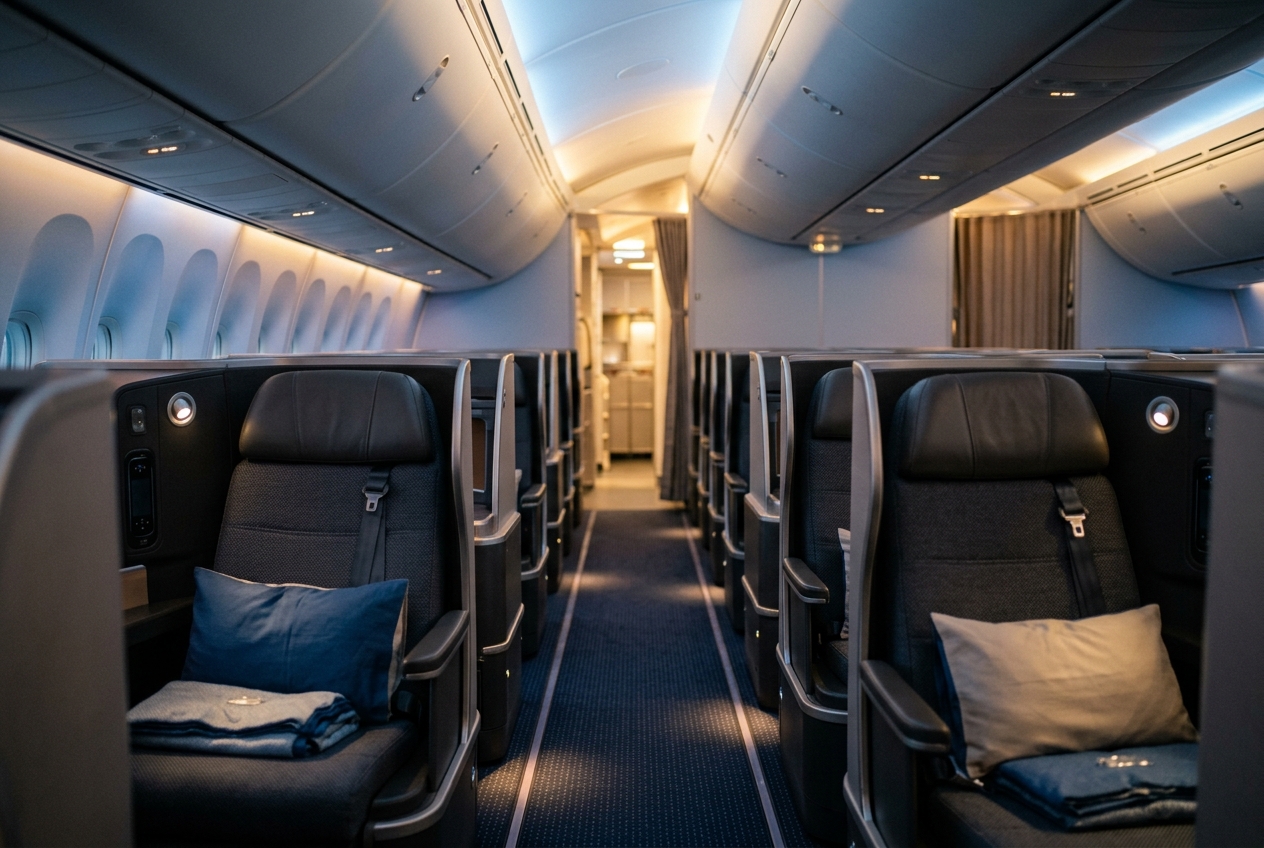
Greece's historic national carrier with a legendary legacy.
- ›Aristotle Onassis acquired control of the airline in 1957 and shaped its early identity.
- ›The airline was nationalized by the Greek government in 1975 after Onassis's death.
- ›Olympic Airways was forced to cease operations in 2003 due to EU rulings on illegal state aid.
- ›A restructured Olympic Airlines operated from 2003 to 2009 before being acquired by Aegean Airlines.
- ›The airline's blue-and-white livery and Olympic rings logo made it one of Europe's most recognizable carriers.
Olympic Airlines traced its roots to 1957 when Aristotle Onassis founded Olympic Airways, serving as Greece's flagship carrier for decades. The airline operated under the Olympic Airlines name from 2003 until it ceased operations in September 2009, unable to sustain profitability amid rising costs and competition. Known for its distinctive blue and white livery reflecting the Greek flag, it connected Athens with major European, transatlantic, and regional destinations.
Icarus
Olympic Airlines operated a mixed fleet primarily composed of Airbus A300, Airbus A320 family aircraft, and Boeing 737s during its final years of service.
AI-assisted overview, verified against public sources.
Primary hubs
Route network map (110 legs)
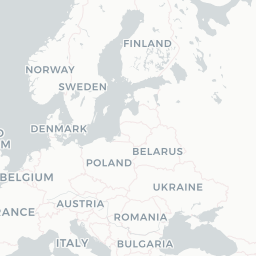
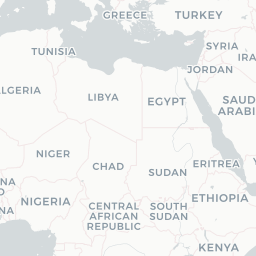
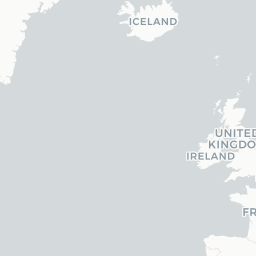
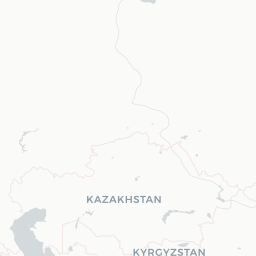
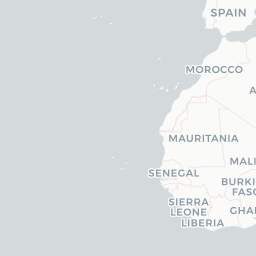
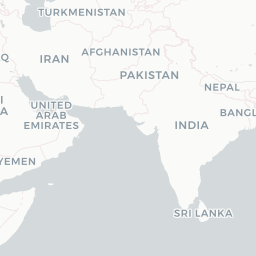
Route network
Fleet (aircraft types operated)
Olympic Airlines, formerly named Olympic Airways, was the flag carrier airline of Greece. The airline's head office was located in Athens. The airline operated services to 37 domestic destinations and to 32 destinations worldwide. The airline's main base was at Athens International Airport, "Eleftherios Venizelos", with hubs at Thessaloniki International Airport, "Macedonia", Heraklion International Airport, "Nikos Kazantzakis" and Rhodes International Airport, "Diagoras". Olympic Airlines also owned a base at London Heathrow Airport. By December 2007, the airline employed about 8,500 staff.
Read full article on Wikipedia