
Air Florida
United States · AIR FLORIDA

Florida-based low-cost carrier of the early jet age.
- ›Air Florida Flight 90 crashed into the Potomac River and the 14th Street Bridge on January 13, 1982, killing 78 people.
- ›The airline expanded rapidly after U.S. airline deregulation in 1978, adding international and transcontinental routes.
- ›Air Florida filed for Chapter 11 bankruptcy protection before ceasing all operations in 1984.
- ›The Flight 90 disaster prompted significant changes to airline crew training regarding winter weather operations.
- ›At its peak, Air Florida flew to destinations in Europe and the Caribbean in addition to domestic U.S. routes.
Air Florida was a low-cost American carrier founded in 1971 and headquartered in Miami, Florida, that grew rapidly during the deregulation era of the late 1970s and early 1980s. The airline operated domestic and international routes, becoming known for budget fares connecting Florida with major U.S. cities and Caribbean destinations. Air Florida ceased operations in 1984 following financial difficulties and reputational damage from the 1982 crash of Flight 90 into the Potomac River in Washington, D.C.
Air Florida operated a mixed fleet primarily composed of Boeing 737 and Boeing 727 narrowbody jets during its years of service.
AI-assisted overview, verified against public sources.
Primary hubs
Route network map (14 legs)


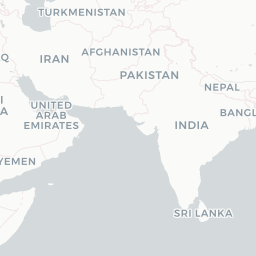



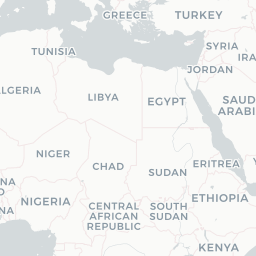

Route network
Fleet (aircraft types operated)

Air Florida was an American low-cost carrier that operated under its own brand from 1972 to 1984. During the period from 1972 to 1978 Air Florida was an intrastate airline. Until a high-profile 1982 aircraft crash in Washington DC, Air Florida was considered an early success story of U.S. airline deregulation, having expanded rapidly from its original Florida network, including internationally to Europe and Latin America. After the crash, the airline struggled for over two and a half years before finally succumbing to bankruptcy in 1984.
Read full article on Wikipedia