
Cheddi Jagan International Airport
Georgetown, Guyana
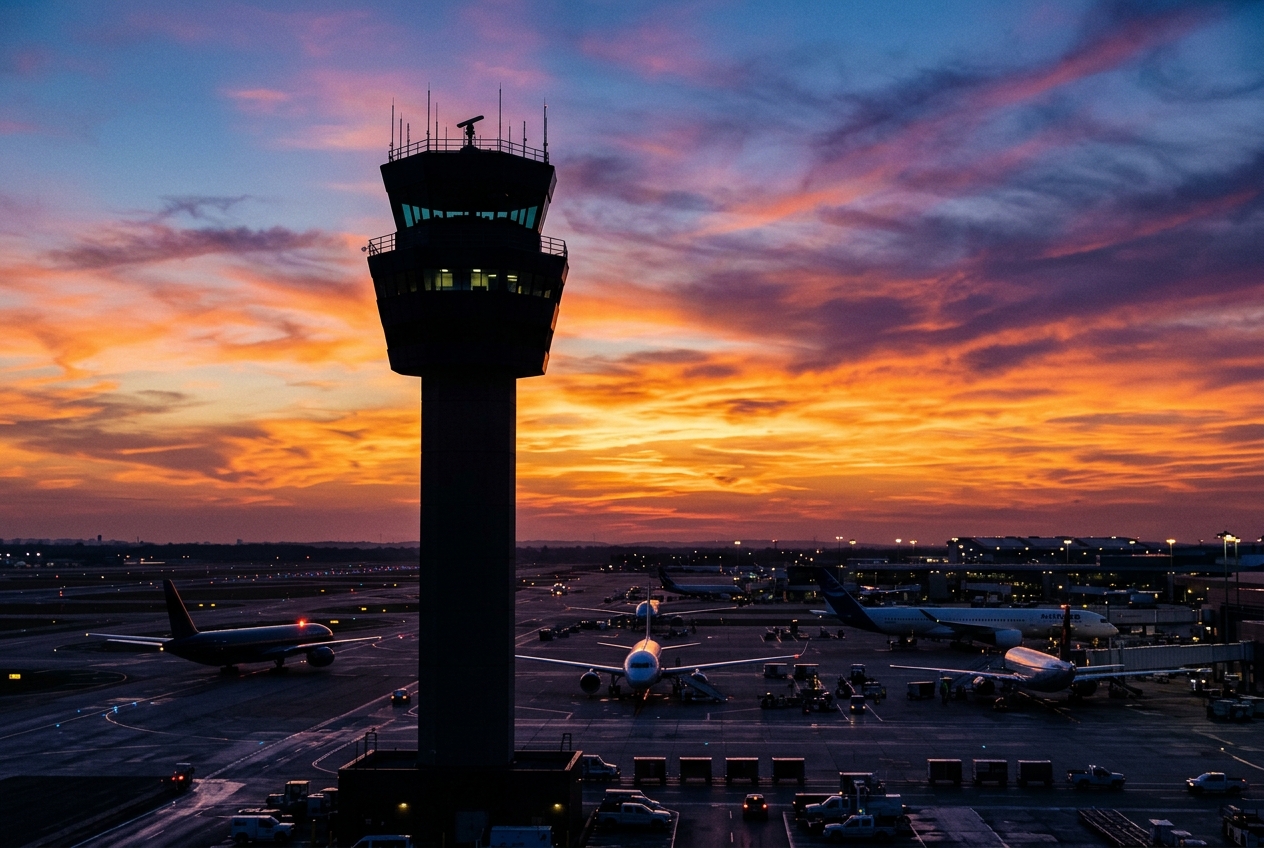
Cheddi Jagan International Airport
Guyana's primary international gateway on the Atlantic coast.
- ›Named after Cheddi Jagan, Guyana's first executive President, who served from 1992 to 1997.
- ›Located at Timehri, about 41 km south of Georgetown city center.
- ›Guyana's oil boom following ExxonMobil's offshore discoveries has significantly increased international traffic through the airport.
- ›The airport has a runway length capable of handling wide-body aircraft including Boeing 767s.
- ›It serves as the primary hub for domestic carrier Air Services Limited (ASL) and regional connections.
Cheddi Jagan International Airport, named after Guyana's first executive president, serves as the primary international gateway to the country, located approximately 40 kilometres south of Georgetown near the town of Timehri. Opened during the colonial era and significantly modernised in recent decades, it handles the bulk of international arrivals connecting Guyana to North America, the Caribbean, and beyond. As Guyana's oil boom accelerates economic growth, the airport plays an increasingly vital role in the nation's connectivity and development.
- Main Terminal — The single integrated terminal handles all departures and arrivals, featuring immigration, customs, duty-free retail, and airline check-in counters.
- Taxi services available curbside outside the arrivals hall — negotiate fare or use authorised airport taxis
- Private car hire and pre-booked transfers to Georgetown city centre
- Minibus services operating along the East Bank Demerara Highway toward Georgetown
- Car rental desks available within the terminal from select local providers
- Ramada Georgetown Princess Hotel
- Guyana Marriott Hotel Georgetown
- Hotel Umana Yana
- Cara Lodge Georgetown
- Timehri guesthouses near the airport
Inside the terminal, food and beverage options are limited but include a small café and snack bar suitable for light meals before departure. The area immediately around the airport has minimal dining options, so travellers are advised to eat in Georgetown before heading to the airport. Greater variety of Guyanese cuisine, including pepperpot, roti, and cook-up rice, can be found along the East Bank Demerara Highway corridor.
- Allow extra time for the roughly 40–60 minute drive from Georgetown to the airport, especially during peak hours when traffic on East Bank Demerara can be heavy.
- Carry local Guyanese dollars for small purchases; USD is widely accepted but change may be limited at smaller vendors.
- Confirm your departure tax is included in your ticket price, as some older bookings may require it to be paid separately at the airport.
- Book accommodation in Georgetown well in advance, especially during Guyana's Mashramani festival season in February, when rooms fill quickly.
AI-assisted overview, verified against public sources.
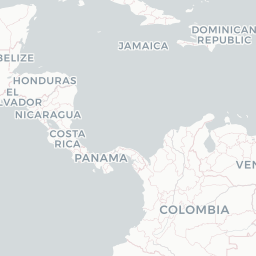
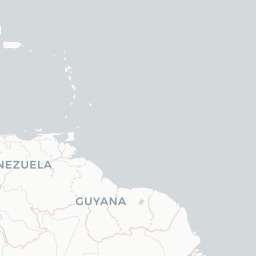
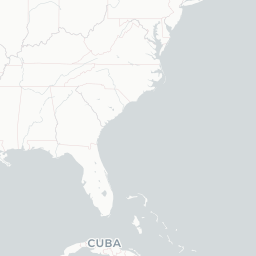
Route map (7 destinations)






Airlines serving this airport
Routes
Pick what matters for your layover or early flight, then compare on your favorite booking site.
IndianAirports may receive compensation when you book or purchase through some of the links on this page, at no additional cost to you. Prices and availability are set by the booking provider and may change. We never share your private trip details with partners — only the destination, dates and party size you searched.
City & Place Guide
No guide exists for this place yet — Click to generate a Traveler Pulse guide.
Passport, Visa & Immigration
Flying internationally via GEO? Check entry, transit and customs requirements for Guyana from official government sources.

Cheddi Jagan International Airport, formerly Timehri International Airport, is the primary international airport of Guyana. The airport is located on the right bank of the Demerara River in the city of Timehri, 41 kilometres (25 mi) south of Guyana's capital, Georgetown. It is the larger of the two international airports serving Georgetown with the other airport being the Eugene F. Correia International Airport.
Read full article on Wikipedia