
Kilimanjaro International Airport
Arusha, Tanzania
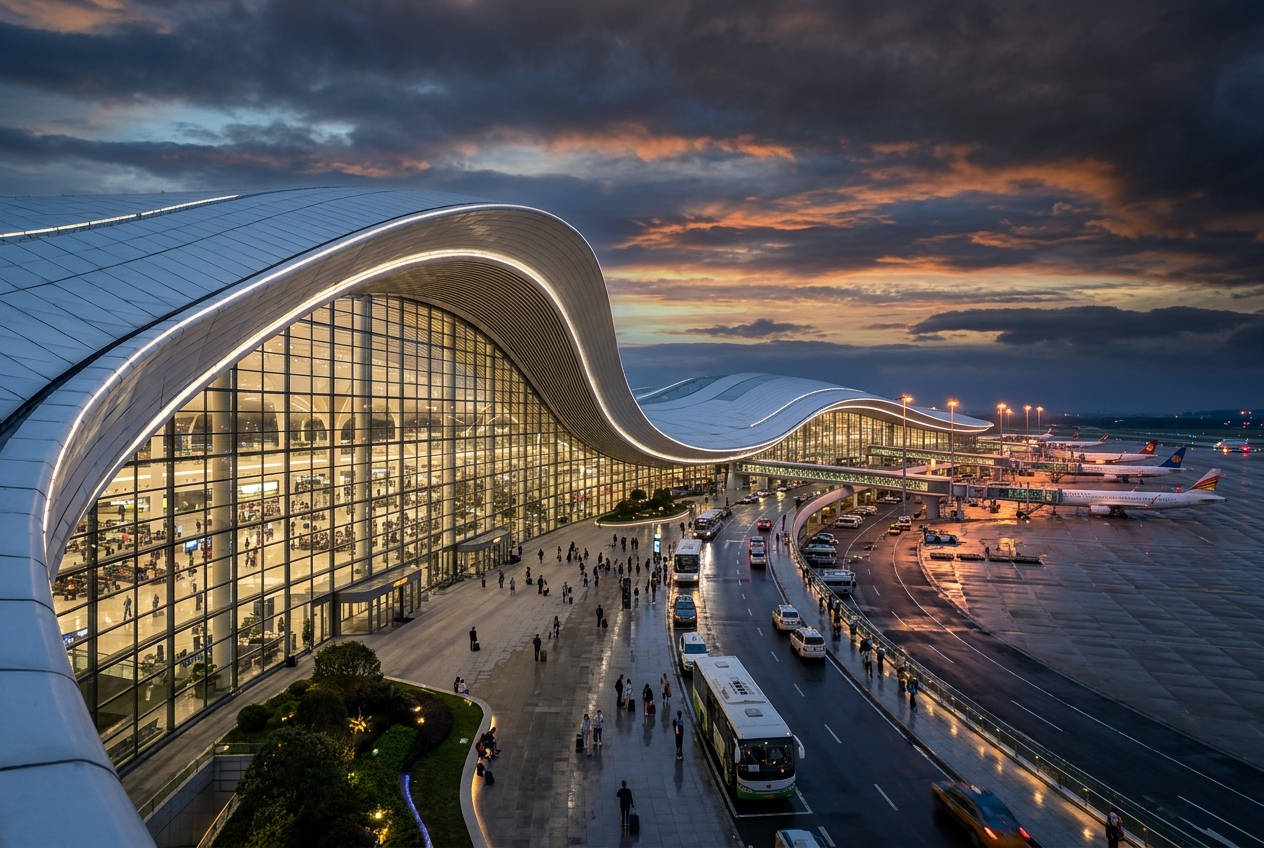
Kilimanjaro International Airport
Gateway to Africa's highest peak and legendary safari country.
- ›Located at an elevation of approximately 2,932 feet (894 meters) above sea level on the slopes between Kilimanjaro and Meru.
- ›Serves as the closest international airport to Mount Kilimanjaro, the tallest freestanding mountain in the world at 5,895 meters.
- ›The airport lies roughly midway between Arusha and Moshi, serving both cities.
- ›Managed by the Tanzania Airports Authority (TAA).
- ›A key hub for safari and trekking tourism in northern Tanzania, including access to Serengeti and Ngorongoro.
Kilimanjaro International Airport (JRO) sits between the cities of Arusha and Moshi in northern Tanzania, serving as the primary entry point for climbers and safari travelers heading to Mount Kilimanjaro, the Serengeti, and the Ngorongoro Crater. Opened in 1971, the airport has grown steadily to handle international traffic from Europe, the Middle East, and across Africa. Its single terminal and relatively compact footprint belie its outsized role as one of East Africa's most strategically important tourism gateways.
- Main Terminal — A single integrated terminal handling all international and domestic arrivals and departures, with immigration, customs, and a modest selection of shops and eateries.
- Taxi services available outside arrivals — negotiate fare or use regulated airport taxis
- Pre-arranged hotel and lodge shuttle transfers (most common for safari travelers)
- Car hire desks from local and international agencies inside the terminal
- Shared shuttle buses to Arusha city centre (approximately 45 km west)
- Shuttle services to Moshi town (approximately 30 km east)
- Ngare Sero Mountain Lodge
- Arusha Coffee Lodge
- Mount Meru Hotel (Arusha)
- Onsea House (Arusha)
- Keys Hotel Moshi
Inside the terminal, food options are limited to a small café and snack bar serving light meals, sandwiches, and beverages — arrive having eaten if you have preferences. Arusha city offers far broader dining, including numerous restaurants serving Tanzanian cuisine, Indian food, and international fare along Sokoine Road and the Clock Tower area. Most travelers heading straight to safari lodges will find their first full meal at the property.
- Confirm your Tanzania visa requirements in advance — East Africa Tourist Visa covers Tanzania, Kenya, and Uganda and is available on arrival for eligible nationalities.
- USD cash is widely accepted and often preferred for airport taxis and small purchases; carry small denominations.
- Altitude sickness can affect climbers immediately upon arrival given the region's elevation — hydrate well and avoid rushing.
- Pre-book your ground transfer before landing; unofficial touts can be persistent outside the arrivals hall.
AI-assisted overview, verified against public sources.
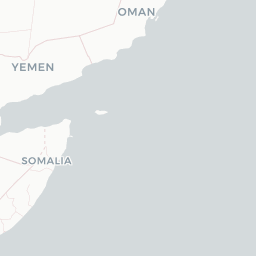
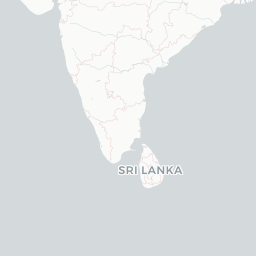
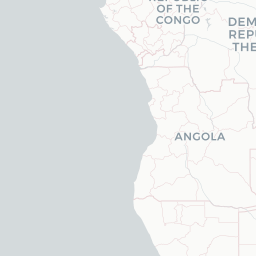
Route map (9 destinations)




Airlines serving this airport
Routes
Aircraft operating here
Pick what matters for your layover or early flight, then compare on your favorite booking site.
IndianAirports may receive compensation when you book or purchase through some of the links on this page, at no additional cost to you. Prices and availability are set by the booking provider and may change. We never share your private trip details with partners — only the destination, dates and party size you searched.
City & Place Guide
No guide exists for this place yet — Click to generate a Traveler Pulse guide.
Passport, Visa & Immigration
Flying internationally via JRO? Check entry, transit and customs requirements for Tanzania from official government sources.

Kilimanjaro International Airport (KIA) is an international airport serving the Kilimanjaro National Park in Tanzania, as well as nearby cities like Arusha and Moshi. The airport handled 1,044,276 passengers in 2024, making it the third busiest airport in the country, after Julius Nyerere International Airport in Dar es Salaam and Abeid Amani Karume International Airport in Zanzibar. It is the largest airport in northern Tanzania by size and passenger volume.
Read full article on Wikipedia