
Ted Stevens Anchorage International Airport
Anchorage, United States
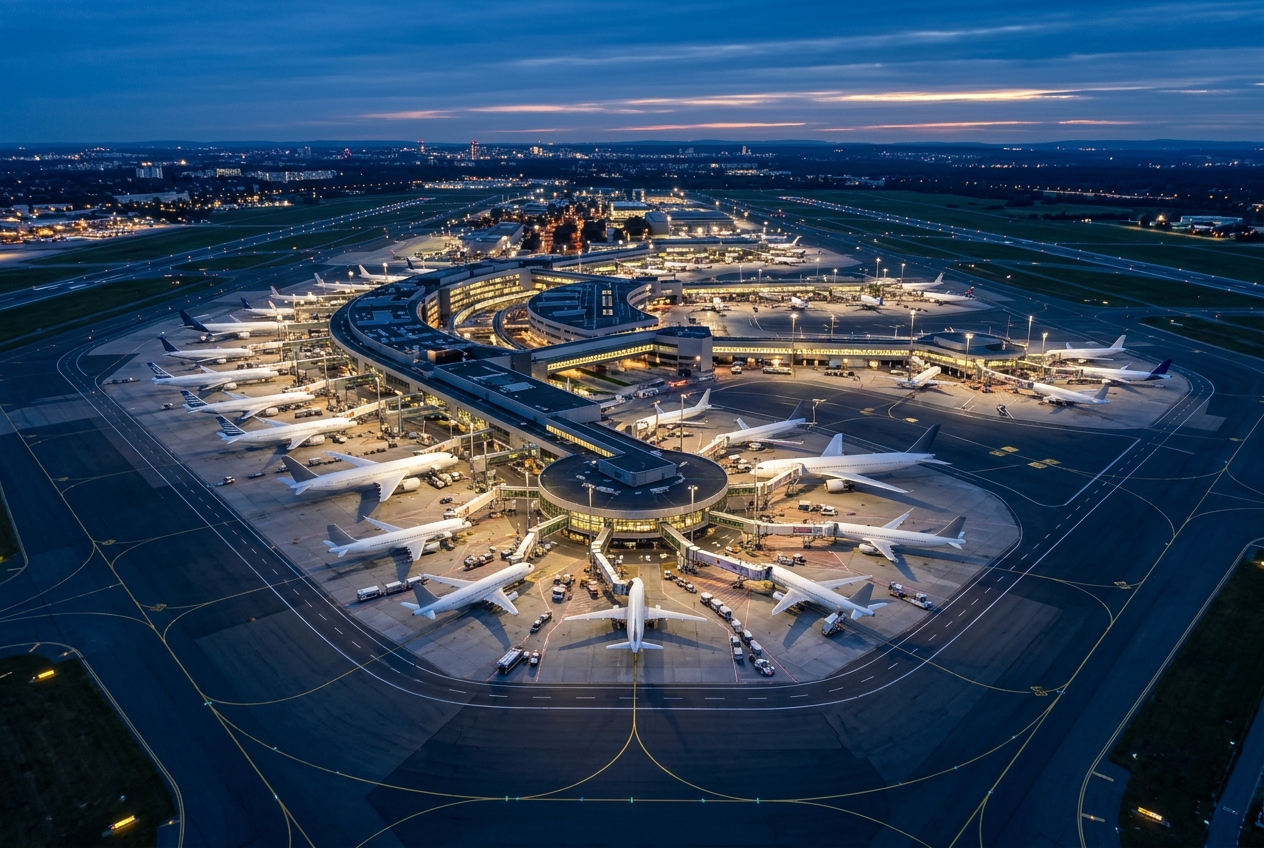
Ted Stevens Anchorage International Airport
Alaska's primary gateway and a vital Arctic cargo hub.
- ›Consistently ranked among the top 10 busiest cargo airports in the world by freight tonnage.
- ›Named after U.S. Senator Ted Stevens in 2003, who championed Alaska aviation funding for decades.
- ›Its Great Circle route position places it within 9.5 hours of nearly 90% of the industrialized world by air.
- ›FedEx and UPS maintain significant sorting and hub operations at the airport.
- ›Elevation is approximately 152 feet (46 m) above sea level near Cook Inlet.
Ted Stevens Anchorage International Airport, named after the long-serving Alaska senator, has served as a critical hub since its establishment in the 1950s. Strategically positioned within nine hours of nearly 90 percent of the industrialized world, it ranks among the busiest cargo airports globally. The airport blends frontier character with modern facilities, serving both international travelers and the logistical backbone of Alaska's remote communities.
- William A. Egan Terminal (Domestic) — Handles Alaska Airlines and most domestic carriers serving routes across the continental United States and within Alaska.
- North Terminal (International) — Processes international passenger arrivals and departures, including customs and immigration facilities for transpacific flights.
- People Mover Bus Route 40 connects the airport to downtown Anchorage
- Taxi and rideshare services available at the lower level of both terminals
- Car rental counters from major agencies including Hertz, Avis, Enterprise, and Budget
- Hotel shuttle services offered by several nearby properties
- Private car and limousine services bookable in advance
- Marriott Anchorage Downtown
- Courtyard by Marriott Anchorage Airport
- Hilton Anchorage
- Comfort Inn Ship Creek
- Embassy Suites by Hilton Anchorage
Inside the Egan Terminal, travelers will find a mix of Alaska-themed eateries, coffee shops, and standard airport concessions offering seafood staples like salmon chowder. The North Terminal has more limited food options, so arriving early for a meal in the main terminal is advisable before international departures. A short drive into Anchorage opens up a wide range of restaurants featuring local Alaskan seafood, craft breweries, and diverse international cuisine.
- Brown bears and moose are occasionally spotted near the airport perimeter — keep a respectful distance if encountered on connecting roads.
- Winter weather can cause significant flight delays; always check road conditions before driving to the airport between October and April.
- Anchorage operates on Alaska Time (AKST/AKDT), which is one hour behind Pacific Time — factor this into any connection planning.
- The airport has a small but notable collection of Alaska Native art and exhibits near the security checkpoints, worth a look during layovers.
AI-assisted overview, verified against public sources.
Route map (34 destinations)












Airlines serving this airport
Routes
Pick what matters for your layover or early flight, then compare on your favorite booking site.
IndianAirports may receive compensation when you book or purchase through some of the links on this page, at no additional cost to you. Prices and availability are set by the booking provider and may change. We never share your private trip details with partners — only the destination, dates and party size you searched.
City & Place Guide
No guide exists for this place yet — Click to generate a Traveler Pulse guide.
Passport, Visa & Immigration
Flying internationally via ANC? Check entry, transit and customs requirements for United States from official government sources.

Ted Stevens Anchorage International Airport is the primary airport serving the US state of Alaska, located 5 miles (8 km) southwest of downtown Anchorage. The airport is named for Ted Stevens (1923–2010), who served as a senator of Alaska from 1968 to 2009. It is included in the Federal Aviation Administration (FAA) National Plan of Integrated Airport Systems for 2017–2021, in which it is categorized as a medium-hub primary commercial service facility. It is a major cargo hub for trans-Pacific traffic, ranking as one of the world's busiest airports by cargo traffic.
Read full article on Wikipedia