
Julius Nyerere International Airport
Dar es Salaam, Tanzania
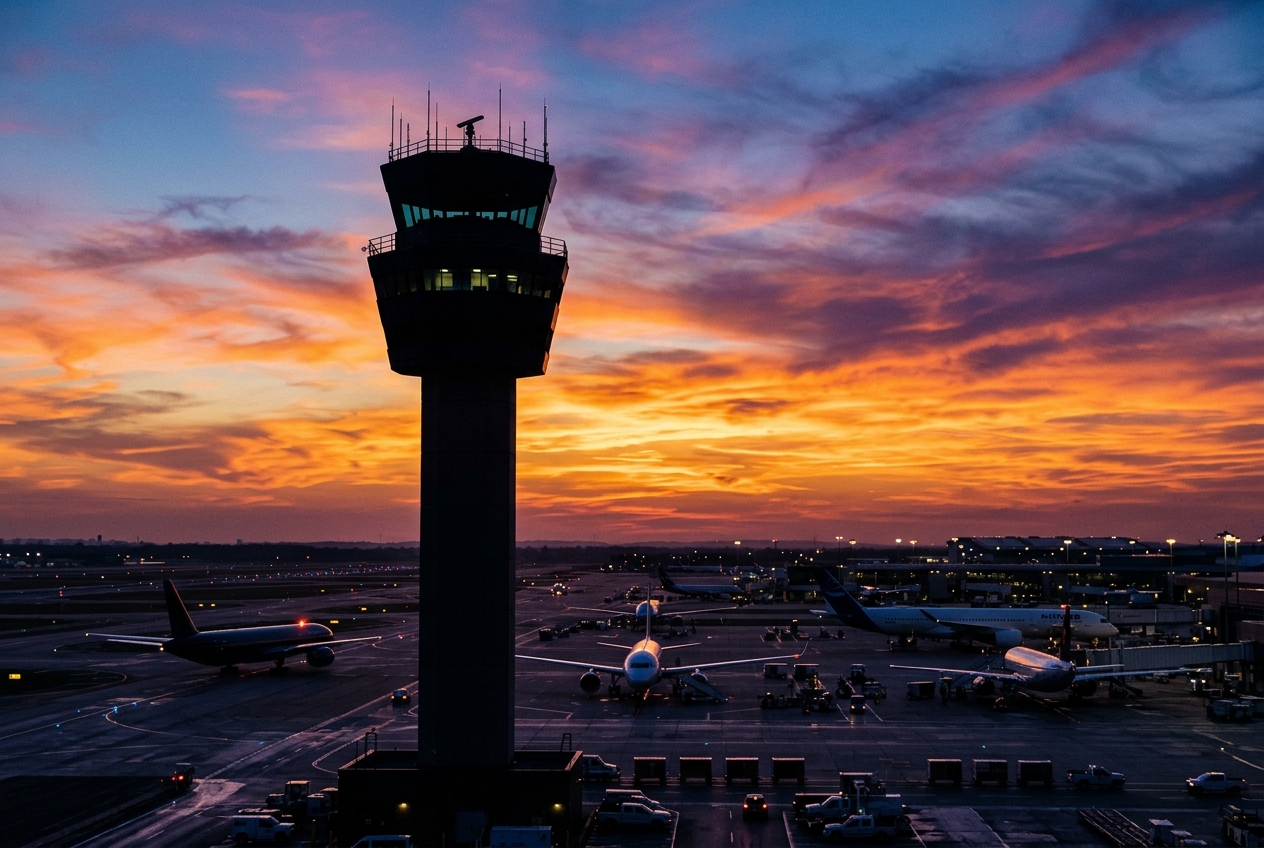
Julius Nyerere International Airport
Tanzania's busiest gateway on the Indian Ocean coast.
- ›Named after Julius Nyerere, Tanzania's first president, who led the country from independence in 1961 until 1985.
- ›Terminal 3, funded partly by the Chinese government, opened in 2019 with a capacity of approximately 6 million passengers annually.
- ›The airport serves as the main international gateway for travelers connecting to Zanzibar via smaller domestic flights.
- ›It is the busiest airport in Tanzania and one of the busiest in East Africa.
- ›The airport's IATA code DAR is derived from the city's name, Dar es Salaam, meaning 'Haven of Peace' in Arabic.
Julius Nyerere International Airport, named after Tanzania's founding president, is the busiest and most strategically important airport in Tanzania. Situated approximately 12 kilometres southwest of Dar es Salaam's city centre, it serves as the primary hub for international and domestic air travel in the country. The airport plays a central role in connecting East Africa to global destinations across Europe, Asia, and the Middle East.
- Terminal 1 — Handles select domestic and regional flights, featuring basic amenities and check-in facilities.
- Terminal 2 — The main international terminal offering a wider range of services, retail outlets, and departure lounges for major carriers.
- Terminal 3 — A newer, modern terminal designed to significantly expand capacity and improve passenger experience for international traffic.
- Taxi services available at designated ranks outside arrivals
- Ride-hailing apps including Bolt and Uber operating in Dar es Salaam
- Daladala (local minibus) routes connecting the airport area to the city
- Car rental desks available inside the terminal from international and local operators
- Hotel shuttle services offered by several major nearby hotels
- Hyatt Regency Dar es Salaam
- Southern Sun Dar es Salaam
- Protea Hotel by Marriott Dar es Salaam Courtyard
- Holiday Inn Dar es Salaam
- Ramada Encore by Wyndham Dar es Salaam
Inside the airport, passengers will find a modest selection of cafes and snack counters offering local Tanzanian dishes alongside international fast food options. Airside dining choices are limited, so travellers are advised to eat before clearing security if possible. The broader Dar es Salaam area surrounding the airport road offers numerous local restaurants serving grilled meats, pilau rice, and fresh seafood.
- Arrive at least three hours before international departures as security and immigration queues can be lengthy.
- Carry US dollars or Tanzanian shillings for taxis; not all drivers accept card payments.
- Confirm your taxi fare before departing the terminal to avoid overcharging.
- Yellow fever vaccination certificates may be required if you are arriving from or transiting through endemic countries.
AI-assisted overview, verified against public sources.
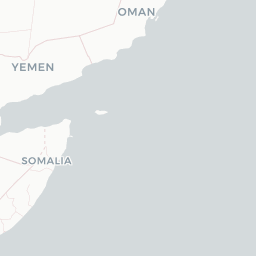
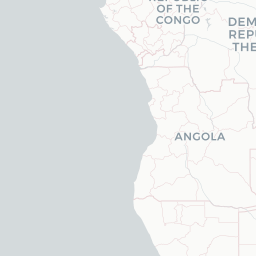
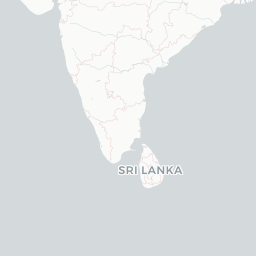
Route map (22 destinations)








Airlines serving this airport
Routes
Pick what matters for your layover or early flight, then compare on your favorite booking site.
IndianAirports may receive compensation when you book or purchase through some of the links on this page, at no additional cost to you. Prices and availability are set by the booking provider and may change. We never share your private trip details with partners — only the destination, dates and party size you searched.
City & Place Guide
No guide exists for this place yet — Click to generate a Traveler Pulse guide.
Passport, Visa & Immigration
Flying internationally via DAR? Check entry, transit and customs requirements for Tanzania from official government sources.

Julius Nyerere International Airport is the international airport of Dar es Salaam, the largest city in Tanzania. It is located in Kipawa ward of Ilala District in Dar es Salaam Region of Tanzania. The airport has flights to destinations in Africa, Asia, Europe, and the Middle East. It is named after Julius Nyerere (1922–1999), the nation's first president.
Read full article on Wikipedia