
Korla Licheng Airport
Korla, China
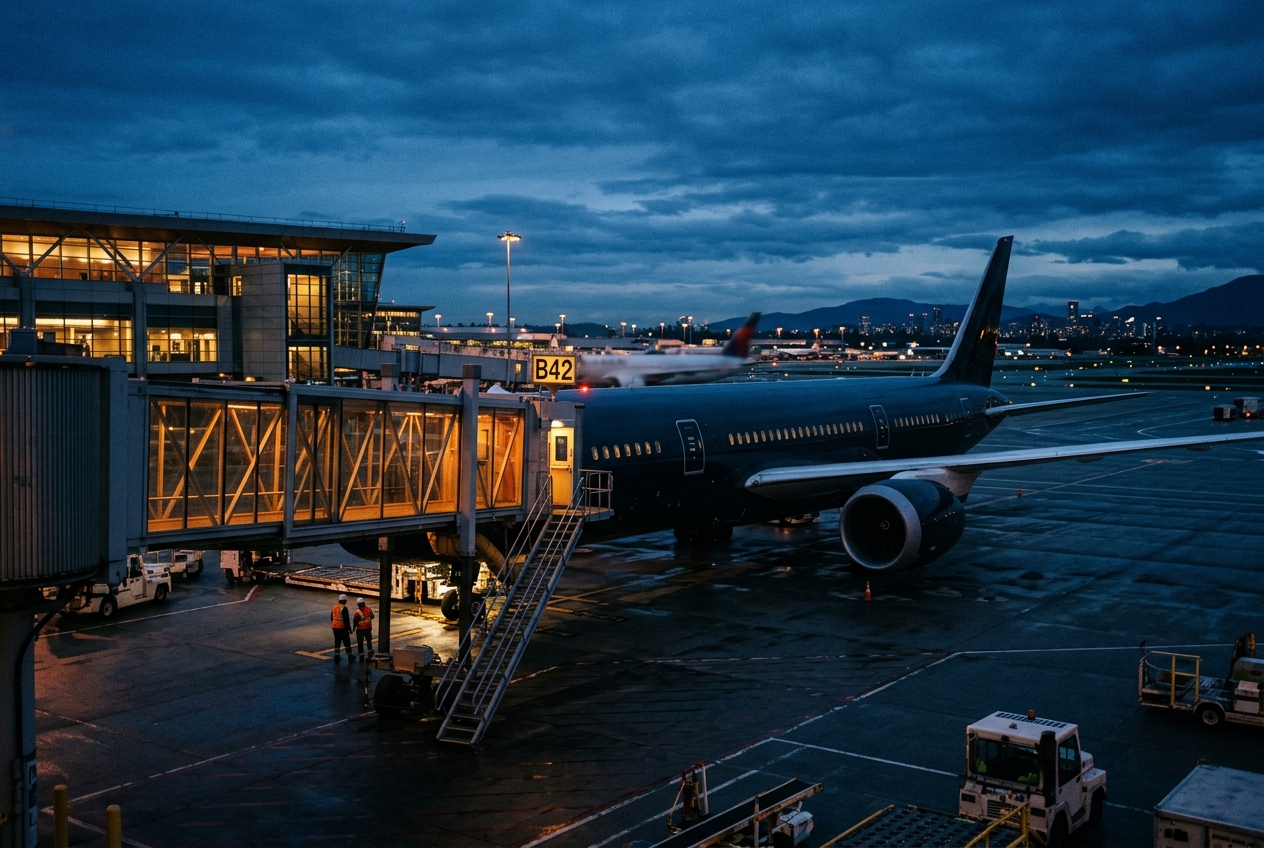
Korla Licheng Airport
Gateway to Xinjiang's Bayingolin Mongol Autonomous Prefecture.
- ›Korla is the second-largest city in Xinjiang and a major center for the Tarim Basin oil industry.
- ›The airport primarily handles domestic routes, with Ürümqi being a key connecting hub.
- ›Bosten Lake, one of China's largest inland freshwater lakes, is a major tourist draw near Korla.
- ›The airport's elevation reflects Korla's location in the Tarim Basin at relatively low altitude for Xinjiang.
- ›Korla is known as the 'Fragrant Pear Capital' of China, and the airport serves agricultural export logistics.
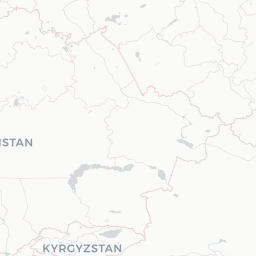
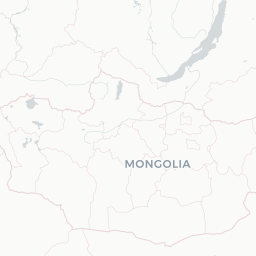
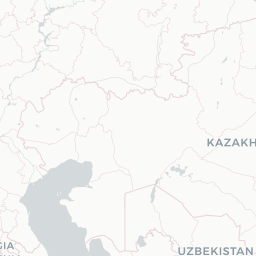
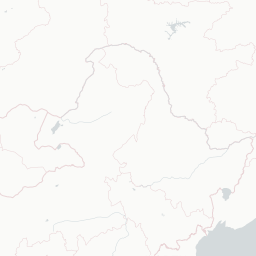
Route map (5 destinations)




Airlines serving this airport
Routes
Pick what matters for your layover or early flight, then compare on your favorite booking site.
IndianAirports may receive compensation when you book or purchase through some of the links on this page, at no additional cost to you. Prices and availability are set by the booking provider and may change. We never share your private trip details with partners — only the destination, dates and party size you searched.
City & Place Guide
No guide exists for this place yet — Click to generate a Traveler Pulse guide.
Passport, Visa & Immigration
Flying internationally via KRL? Check entry, transit and customs requirements for China from official government sources.
Ku'erle (Korla) Licheng Airport is an airport serving Korla, a city in the autonomous region of Xinjiang in the People's Republic of China. The airport is located on the Airport Expressway in Korla City, was initially built in 1967 as a military airport and opened to civil aviation operations in 1971. It is 17 kilometers from the city center and serves as a secondary aviation hub in Xinjiang. Until 2025, the airport will have two terminals with a total area of 25,925 square meters, 13 aircraft stands, a 2,800-meter-long and 50-meter-wide runway, and can accommodate aircraft up to the B757-200 or similar. The airport serves 42 cities, covering seven major cities including Beijing and Chengdu. In recent years, with the rapid development of civil aviation, during peak seasons, a shortage of aircraft stands has led to long waiting times for landing aircraft on taxiways, causing flight delays and compromising flight punctuality. The airport is currently undergoing improvement projects.
Read full article on Wikipedia