
Larnaca International Airport
Larnaca, Cyprus
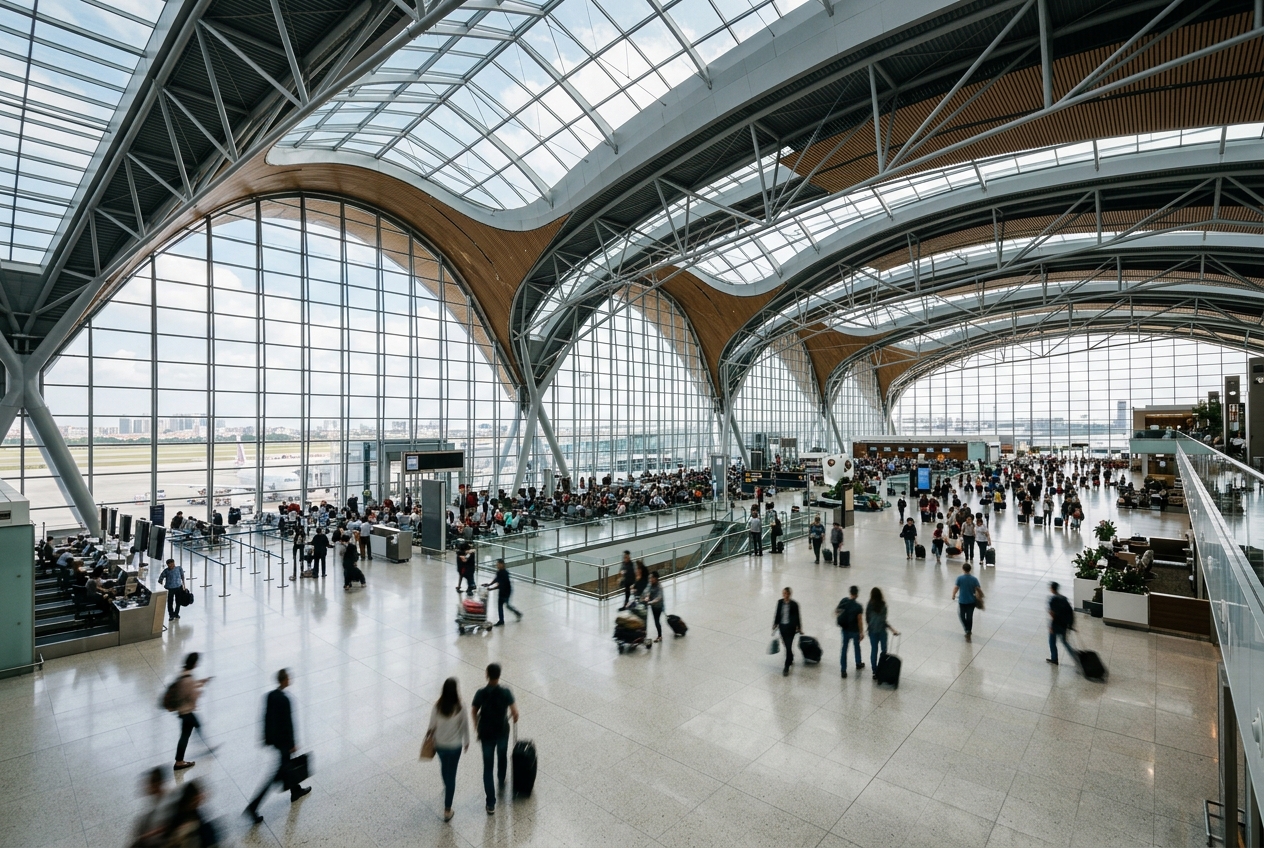
Larnaca International Airport
Cyprus's primary international gateway on the Mediterranean coast.
- ›Larnaca became Cyprus's main airport after Nicosia International Airport was closed following the Turkish invasion of 1974.
- ›Hermes Airports holds a 25-year concession to operate both Larnaca and Paphos airports, awarded in 2006.
- ›The modern terminal opened in 2009 significantly increased annual passenger capacity.
- ›The airport is located approximately 4 km southwest of Larnaca city centre.
- ›Cyprus has no railways, making road transport the sole ground connection option.
Larnaca International Airport is the primary international gateway to Cyprus, handling the majority of the island's air traffic since it replaced Nicosia International Airport following the 1974 Turkish invasion. Situated on the southern coast near the ancient salt lake and the historic Church of Saint Lazarus, the airport blends a storied past with a continuously modernizing infrastructure. It serves as a hub for Wizz Air Malta and a key destination for European charter and scheduled carriers connecting Cyprus to the wider world.
- Terminal 1 (Arrivals/Departures) — The main passenger terminal handling all commercial flights, featuring duty-free retail, dining outlets, and modern check-in and security facilities.
- Public bus services operated by OSEA connecting Larnaca city centre and nearby towns
- Intercity bus routes to Nicosia, Limassol, and Paphos via INTERCITY BUS
- Licensed taxis available at the designated rank outside arrivals
- Pre-booked private transfers and shuttle services
- Car rental desks from major providers including Hertz, Avis, and Europcar
- Ride-hailing apps such as Bolt operating in the Larnaca area
- Radisson Blu Hotel, Larnaca
- Palm Beach Hotel & Bungalows
- Sun Hall Hotel
- Lordos Beach Hotel
- Golden Bay Beach Hotel
Inside the terminal, passengers can find a selection of cafés, fast-food outlets, and a duty-free area with snacks and beverages both before and after security. The Finikoudes beachfront promenade in central Larnaca, just minutes away, offers a wide array of traditional Cypriot tavernas serving meze, fresh seafood, and halloumi. For a quick local bite, souvlaki wraps and fresh pastries are available at small kiosks near the airport perimeter.
- Arrive at least two hours before departure for international flights, as security queues can lengthen during summer peak season.
- Licensed taxis have fixed zone fares to major destinations — confirm the rate before departing to avoid surprises.
- The Larnaca Salt Lake adjacent to the airport is a scenic stopover; flamingos gather there from October to March.
- Cyprus uses the euro, and ATMs are available in the arrivals hall for those needing local currency upon landing.
AI-assisted overview, verified against public sources.
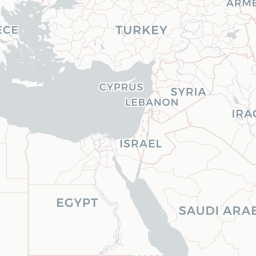
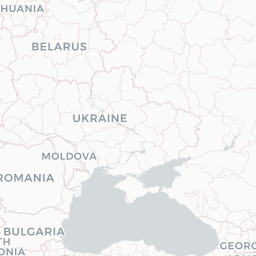
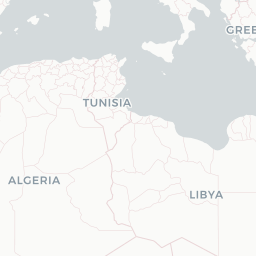
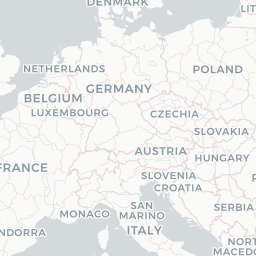
Route map (49 destinations)



Airlines serving this airport
Routes
Pick what matters for your layover or early flight, then compare on your favorite booking site.
IndianAirports may receive compensation when you book or purchase through some of the links on this page, at no additional cost to you. Prices and availability are set by the booking provider and may change. We never share your private trip details with partners — only the destination, dates and party size you searched.
City & Place Guide
No guide exists for this place yet — Click to generate a Traveler Pulse guide.
Passport, Visa & Immigration
Flying internationally via LCA? Check entry, transit and customs requirements for Cyprus from official government sources.

Larnaca International Airport – Glafcos Clerides is an international airport located four kilometres southwest of Larnaca, Cyprus. Larnaca International Airport is Cyprus' main international airport and the larger of the two commercial airports in the area controlled by the Republic of Cyprus and one of the busiest airports in the Middle East. The airport was given its current name in July 2016, in honour of former President of Cyprus (1993–2003) Glafcos Clerides.
Read full article on Wikipedia