 Translate

Nanning Wuxu International Airport
Nanning (Jiangnan), China
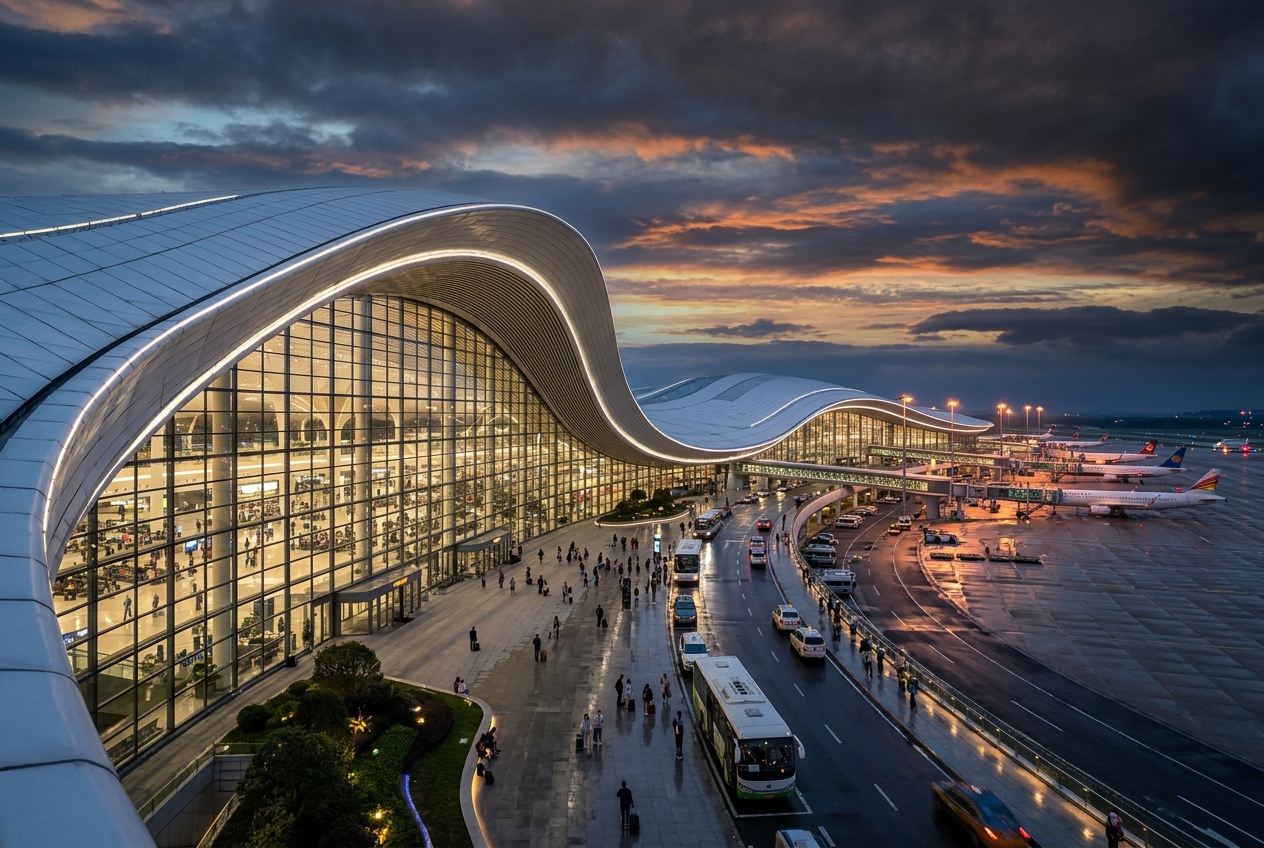
Nanning Wuxu International Airport
Gateway to Guangxi and southern China's ASEAN connections.
- ›Nanning serves as China's gateway to ASEAN, giving the airport significant international strategic importance.
- ›The airport is located approximately 32 kilometers south of Nanning's city center in Jiangnan District.
- ›Guangxi's status as an autonomous region for the Zhuang ethnic minority contributes to the airport's diverse passenger base.
- ›The airport has seen consistent passenger growth tied to the annual China-ASEAN Expo held in Nanning.
- ›A large-scale airport expansion project has been planned to significantly increase annual passenger capacity.
Nanning Wuxu International Airport serves Nanning, the capital of Guangxi Zhuang Autonomous Region in southern China, acting as a key hub linking mainland China with Southeast Asia. Originally opened in 1997, the airport has grown significantly in line with Nanning's role as the host city of the China-ASEAN Expo. Its modern facilities handle a growing mix of domestic trunk routes and international connections across the ASEAN region.
- Terminal 1 — The original terminal handling select domestic and some regional international flights with standard amenities.
- Terminal 2 — The newer, larger terminal serving the majority of domestic and international traffic with expanded retail and dining options.
- Airport Express Bus — multiple lines connecting to Nanning city centre and railway stations
- Nanning Metro Line 2 — direct rail link to the city centre and Nanning Railway Station
- Taxi — metered cabs available at designated ranks outside arrival halls
- Ride-hailing apps — DiDi is widely used and available at the airport
- Car rental — counters for major Chinese rental agencies available in the arrivals area
- Wanda Realm Nanning
- Nanning Airport Hotel
- Hampton by Hilton Nanning Airport
- Vienna Hotel Nanning Airport Branch
- GreenTree Inn Nanning Airport
Inside the terminals, travellers will find a mix of Chinese fast food chains, noodle bars, and convenience stores catering to domestic passengers, along with a few sit-down restaurants serving Guangxi specialities like rice noodles. International food options are limited airside, so those seeking variety may prefer to eat before arriving. Near the airport perimeter, local eateries offer affordable Zhuang and Cantonese cuisine.
- Download DiDi before arriving — English-language ride-hailing is far easier than negotiating with taxi drivers unfamiliar with non-Chinese speakers.
- Metro Line 2 is the fastest and cheapest way to reach the city centre; purchase tickets at automated machines using cash or Alipay.
- Keep Chinese yuan on hand as many small vendors and transport options near the airport do not accept foreign cards.
- Check whether your flight operates from Terminal 1 or Terminal 2 in advance, as they are separate buildings with different check-in processes.
AI-assisted overview, verified against public sources.
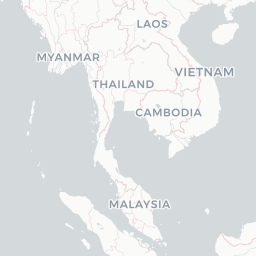
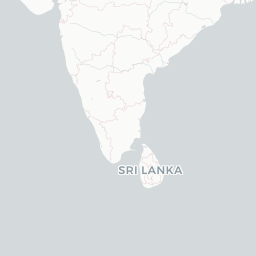
Route map (44 destinations)






Airlines serving this airport
Routes
Pick what matters for your layover or early flight, then compare on your favorite booking site.
IndianAirports may receive compensation when you book or purchase through some of the links on this page, at no additional cost to you. Prices and availability are set by the booking provider and may change. We never share your private trip details with partners — only the destination, dates and party size you searched.
City & Place Guide
No guide exists for this place yet — Click to generate a Traveler Pulse guide.
Passport, Visa & Immigration
Flying internationally via NNG? Check entry, transit and customs requirements for China from official government sources.

Nanning Wuxu International Airport, known as Air Force Nanning Air Base when used for military purposes, is a joint‑use civil–military international airport serving Nanning, the capital of South Central China's Guangxi Zhuang Autonomous Region. It is located 32 km (20 mi) southwest of the centre of the city. The airport was built in 1962, with improvements made in 1990. Terminal 2 entered official operation on September 25, 2014. Its design was inspired by the Han‑dynasty "Phoenix Lantern" unearthed in Hepu, Guangxi. The building covers 189,000 m2 (2,030,000 sq ft), has three floors, and is equipped with 32 passenger boarding bridges.
Read full article on Wikipedia