Overview
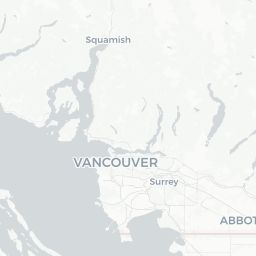
Clayburn is a small heritage community tucked into the eastern corner of Abbotsford, British Columbia, roughly 70 km east of Vancouver in the Fraser Valley. It sits at the foot of Sumas Mountain and is best understood not as a conventional town but as one of Canada's most intact company villages — built in the early twentieth century to house workers of the Clayburn Company, which manufactured brick and clay products.
The village retains a striking collection of original brick cottages, a company-era church, and a preserved general store, giving it a quietly time-capsule quality that draws history enthusiasts, heritage photographers, and day-trippers from the Lower Mainland. It is compact enough to explore on foot in a couple of hours, and its rural surroundings make it a pleasant stop on a broader Fraser Valley itinerary.
Because Clayburn functions administratively as part of the City of Abbotsford, visitors will find most services, accommodation, and dining options in central Abbotsford rather than within the village boundaries itself.
Before You Go
Visas & Entry
Canada's entry requirements vary by nationality. For guidance, visit the TravelerPulse Visas section and check the official Immigration, Refugees and Citizenship Canada (IRCC) website before booking travel.
What to Bring
- Comfortable walking shoes — the village is explored largely on foot along quiet residential streets.
- Layers are advisable year-round; the Fraser Valley can be cool and damp outside of summer.
- Cash or a card for the village store; verify accepted payment methods locally.
Realistic Expectations
Clayburn is a living residential neighbourhood, not a theme park or formal heritage site. Cottages are private homes. Visitors are welcome to walk the streets and enjoy the architecture from the roadside, but should respect residents' privacy. Opening hours and seasonal closures for the store should be verified directly before visiting.
Getting There
By Car
Clayburn is most conveniently reached by private vehicle. From Vancouver, take Highway 1 (Trans-Canada) east to Abbotsford and follow Clayburn Road north toward Sumas Mountain. The drive from downtown Vancouver is approximately 70–75 km and typically takes 60–90 minutes depending on traffic, which can be significant on the corridor during peak hours.
By Transit
BC Transit operates bus service within Abbotsford. From central Abbotsford, local routes may bring you within a manageable distance of Clayburn Road, but service frequency and routing should be verified on the BC Transit website before travel, as rural coverage is limited.
By Train / Bus (Intercity)
Abbotsford is served by regional bus connections from Vancouver. From Abbotsford's transit hub, onward travel to Clayburn requires a local bus or taxi/rideshare. Verify current intercity schedules with operators directly.
Getting Around
Clayburn village itself is small enough to walk entirely. The core heritage area — the store, the church, and the surrounding brick cottages — can be covered on foot in under an hour at a leisurely pace.
For reaching nearby attractions on Sumas Mountain or elsewhere in Abbotsford, a private vehicle is strongly recommended. Rideshare apps (Uber, Lyft) operate in Abbotsford; verify availability in the Clayburn area before relying on them. Taxis can be booked through Abbotsford-based companies — verify current operators locally.
Where to Stay
There is no lodging within Clayburn village. Visitors stay in Abbotsford, which has a full range of accommodation from budget motels to mid-range hotels and vacation rentals. Major booking platforms list current availability; verify proximity to Clayburn Road when searching to minimise driving time.
For those willing to drive slightly further, Chilliwack to the east and Mission to the north also offer accommodation options with easy access to the Clayburn area. Camping is available at several BC Parks sites in the broader region — verify current availability and reservation requirements through BC Parks.
Things to See & Do
Heritage Walking Tour
The most rewarding activity in Clayburn is a self-guided walk through the village streets to observe the remarkably uniform brick architecture. The workers' cottages, the Clayburn Community Church (a heritage-listed structure), and the general store collectively illustrate what a planned industrial company town looked like in early twentieth-century British Columbia.
Clayburn Village Store & Tea Shop
The village's social anchor is its historic general store, which also operates as a tea room and candy shop. It is well known locally for its selection of traditional sweets and loose-leaf teas. Opening hours and seasonal schedules vary — verify before visiting to avoid disappointment.
Sumas Mountain Regional Park
Directly adjacent to Clayburn, Sumas Mountain Regional Park offers hiking trails through mixed forest with views across the Fraser Valley. Trail difficulty ranges from gentle paths to more demanding routes. Trail conditions and access should be checked with Metro Vancouver Regional Parks or the City of Abbotsford before setting out.
Photography
The combination of uniform red brick buildings, mature trees, and quiet residential streets makes Clayburn a sought-after location for heritage and architectural photography, particularly in autumn when foliage colour adds warmth to the brick tones.
Food & Drink
Dining options within Clayburn itself are extremely limited — the village store and tea shop is the primary on-site option for light refreshments, tea, and snacks. Visitors planning a longer stay should plan meals before or after their visit.
Central Abbotsford, approximately 10–15 minutes by car, has a broad range of restaurants, cafés, and grocery stores covering a variety of cuisines and price points. The Fraser Valley region is also known for farm-gate markets, berry farms, and agricultural producers; seasonal farm stands along the valley roads can be a worthwhile detour for fresh local produce.
Practical Information
Emergency Services
In an emergency in Clayburn, dial 911. The community is served by Abbotsford Police Department and BC Emergency Health Services.
Connectivity
Cellular coverage (major Canadian carriers) is generally reliable in Clayburn and along main valley roads. Wi-Fi availability within the village is limited to what the store may offer; verify locally.
Accessibility
The village streets are quiet and mostly flat, which aids walkability. However, there are no dedicated heritage trail facilities or formal accessibility infrastructure within the village core. The store's accessibility should be verified directly.
Seasons & Weather
Summers (June–August) are warm and dry, ideal for walking and hiking. Spring and autumn bring mild temperatures and occasional rain. Winters are cool and wet, with occasional frost; Sumas Mountain trails may be muddy or icy.
Local Culture & Etiquette
Clayburn's cultural significance is rooted in its status as a rare surviving example of a Canadian company village. Built predominantly between 1905 and the 1920s by the Clayburn Company (later part of larger brick manufacturing interests), the settlement was designed to be self-sufficient, with housing, a church, and a store provided for workers and their families.
This model of industrial paternalism was common in early twentieth-century resource and manufacturing communities across British Columbia, but few physical examples remain as cohesive as Clayburn. Walking the village is a tangible connection to a chapter of BC labour and industrial history that is often overlooked.
The community today is a quiet residential neighbourhood. Locals generally appreciate respectful visitors who treat the area as a neighbourhood rather than a tourist attraction — keeping noise down, staying on public roads, and not approaching or photographing private property intrusively.