Overview
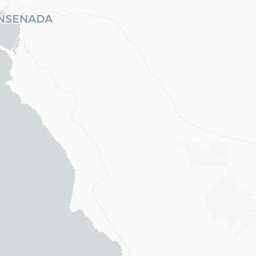
Ejido Guadalajara is a small rural community in the far northeastern corner of Baja California, Mexico, with a registered population of under 600 residents. It sits in the Mexicali Valley near the Sonora border and the Colorado River delta region — a flat, arid agricultural landscape shaped by irrigation infrastructure and ejido land-tenure traditions established in post-revolutionary Mexico.
The community functions primarily as a farming settlement. Visitors passing through are most likely en route between Mexicali and San Luis Río Colorado (Sonora) or exploring the broader Mexicali Valley. There are no major tourist attractions within the ejido itself, but the surrounding region offers context for understanding northern Baja California's agricultural economy and borderland geography.
Travelers should approach Ejido Guadalajara as a waypoint rather than a primary destination. Services are minimal and oriented toward local residents. Planning ahead — particularly for fuel, food, and lodging — is essential before arriving.
Before You Go
Visas and Entry
Entry requirements for Mexico vary by nationality. Do not rely on this guide for specific visa rules. Check TravelerPulse's Visas section and consult Mexico's official immigration authority (Instituto Nacional de Migración) before travel.
What to Bring
- Cash in pesos. Card payment infrastructure in small ejido communities is limited or unavailable. Stock up at ATMs in Mexicali before heading out.
- Water and snacks. The desert climate, especially in summer, demands consistent hydration. Don't assume you can resupply locally.
- Fuel. Fill your tank in Mexicali or another larger town. Verify locally whether any fuel station exists near the ejido before departing.
- Spanish basics. English is rarely spoken in rural agricultural communities this far from tourist zones.
Climate Note
This area has a true desert climate. Summers (June–September) are extremely hot, routinely exceeding 40 °C (104 °F). Winter nights can drop to near freezing. Spring and autumn offer the most comfortable conditions for travel.
Getting There
By Road
Ejido Guadalajara is most practically reached by private vehicle. The city of Mexicali, the state capital of Baja California, is the primary gateway and lies roughly to the northwest. From Mexicali, local roads traverse the agricultural valley toward the Sonora border region where the ejido is located. Confirm the specific route with current mapping tools, as rural ejido roads are not always well-marked.
From the US Border
Mexicali has a major international border crossing with Calexico, California. Travelers entering from the United States can cross there and navigate south and east through the valley. Border wait times and crossing hours should be verified in advance through official US Customs and Border Protection or Mexico's border authority resources.
Public Transportation
There is no known scheduled public transit service directly to Ejido Guadalajara. Shared taxis (colectivos) and local bus routes in the Mexicali Valley may serve nearby communities, but coverage and schedules should be confirmed locally in Mexicali.
Getting Around
A private vehicle is the only practical way to move around Ejido Guadalajara and the surrounding ejido lands. The community is small enough to walk across, but reaching neighboring settlements or regional points of interest requires driving on rural roads that are mostly paved but can include unpaved stretches.
There is no evidence of taxi, rideshare, or rental car services operating within the ejido. Arrange transportation from Mexicali if you do not have your own vehicle.
Things to See & Do
Ejido Guadalajara does not have dedicated tourist attractions, museums, or organized activities. Visitors with an interest in agricultural landscapes, borderland geography, or rural Mexican community life may find the surrounding valley worth observing in that context.
- Mexicali Valley agriculture: The broader valley is one of Mexico's most productive irrigated farming regions, growing cotton, wheat, and vegetables. The landscape itself tells that story.
- Colorado River delta region: The delta, east of Mexicali, is an ecologically significant area. Access points and conditions vary — verify locally before visiting any natural area in the delta.
- Day trips to Mexicali: The state capital is the nearest city with cultural sites, museums, markets, and dining. It makes a practical base for any exploration of this corner of Baja California.
Food & Drink
Do not expect restaurants, cafés, or markets within Ejido Guadalajara. As a community of under 600 people focused on agricultural work, food services — if any exist — are informal and oriented toward locals. Stock up on provisions in Mexicali before traveling to the area.
Mexicali itself has a well-regarded food scene, particularly for northern Mexican cuisine and, notably, a long-established Chinese-Mexican culinary tradition that developed through historic migration to the region. Spending time eating in Mexicali before or after a visit to the ejido area is a practical and worthwhile strategy.
Practical Information
Emergency Contacts
Specific local emergency numbers for ejido-level communities can differ from urban services. In Mexico, the national emergency number is 911, which covers police, fire, and ambulance. Verify what services actually respond in rural Mexicali Valley by checking with local authorities or your accommodation in Mexicali.
Connectivity
Mobile coverage in rural Baja California can be patchy. Download offline maps (including detailed rural roads) before leaving Mexicali. Major Mexican carriers — Telcel tends to have the widest rural reach — are your best option.
Health
The nearest hospital and pharmacy facilities of any scale are in Mexicali. Carry a basic first-aid kit, any prescription medications you need, and oral rehydration salts given the heat risk in warmer months.
Currency and Banking
There are no known ATMs or banks in Ejido Guadalajara. Handle all financial needs in Mexicali.
Safety
Baja California state has areas of varying security conditions, concentrated primarily around Tijuana and certain urban corridors. The Mexicali Valley agricultural area is generally calmer, but travelers should stay informed through their home country's official travel advisory system before and during travel.
Practical precautions appropriate for any rural border-region travel apply: do not drive unfamiliar rural roads at night, keep vehicle fuel levels topped up, share your itinerary with someone you trust, and avoid displaying valuables. Verify current conditions in the Mexicali Valley specifically, as situations can change.