Overview
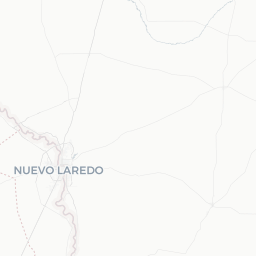
Nuevo Laredo sits on the southern bank of the Rio Grande in northern Tamaulipas, directly across from Laredo, Texas. Together the two cities form one of the busiest land-border crossings in the Western Hemisphere, making Nuevo Laredo a central hub for international trade and daily cross-border movement.
With a population of around 416,000, the city has a character shaped by its frontier geography. Norteño music, border commerce, and a dual-currency economy define daily life here. Most visitors are either transit travelers, business professionals involved in the maquiladora and logistics industries, or day-trippers from the Texas side.
Nuevo Laredo is not a major leisure tourism destination, but travelers who pass through or stop intentionally will find authentic northern Mexican food, a lively downtown market area, and genuine cross-border culture that is distinct from interior Mexico. It rewards practical, curious travelers who approach it on its own terms.
Before You Go
Visas and Entry
Entry requirements vary significantly depending on your nationality, whether you are crossing by land or air, and how far into Mexico you plan to travel. For accurate, current requirements, check TravelerPulse's Visas section and consult the official Mexican immigration authority (Instituto Nacional de Migración, INM). Do not rely on secondhand accounts for visa rules.
Travel Advisories
Nuevo Laredo and parts of Tamaulipas have been subject to elevated travel advisories from multiple governments, including the United States. Check the current advisory level from your home country's foreign affairs ministry before travel and re-check close to your departure date, as conditions can change. Register with your embassy if your country offers a traveler registration service.
Practical Preparation
- Carry photocopies of your passport and entry documents separately from the originals.
- If crossing by land from the US, confirm which bridge you will use and verify current wait times — these vary significantly by time of day.
- Download an offline map (Google Maps or Maps.me) before you cross, as roaming data may be inconsistent.
- Inform your bank that you will be using your card in Mexico to avoid blocks on transactions.
Getting There
By Land from the United States
Nuevo Laredo is connected to Laredo, Texas by four international bridges. The two most commonly used by private vehicles and pedestrians are Bridge 1 (Puente Internacional I, also called the Gateway to the Americas Bridge) and Bridge 2 (Puente Internacional II, primarily for commercial traffic). Bridge 4 (World Trade Bridge) handles the vast majority of commercial truck crossings. Verify current bridge hours and any closures locally or through U.S. Customs and Border Protection before crossing.
By Air
Nuevo Laredo International Airport (NLD) operates limited scheduled service. Travelers arriving by air from farther destinations often find it more practical to fly into Laredo International Airport (LRD) on the Texas side and cross by land, or to fly into Monterrey's General Mariano Escobedo International Airport (MTY), roughly 230 km to the south, and continue by road.
By Bus
Several Mexican long-distance bus lines serve Nuevo Laredo's main bus terminal, with routes connecting to Monterrey, Mexico City, and other major cities. Verify schedules and operators at the terminal or through the bus company's official website, as routes and frequencies change.
Getting Around
Within Nuevo Laredo, taxis and app-based ride services are the most practical options for visitors unfamiliar with the city. Agree on a fare before entering a taxi if the vehicle does not have a meter, or confirm the app-based rate before accepting a ride.
The downtown area and the zone near Bridge 1 are walkable for short distances, though foot traffic and vehicle congestion can be heavy near the crossing points. The city itself is largely flat, which makes short walks manageable in cooler months.
Local buses operate throughout the city but routes and stops require local knowledge to navigate efficiently; they are more practical for residents than for first-time visitors.
Things to See & Do
Mercado Maclovio Herrera
The city's main public market, near the downtown area, is a genuine working market rather than a tourist attraction. It sells produce, household goods, clothing, and food. It is one of the most authentic places to observe everyday commercial life in a northern Mexican border city.
Plaza Hidalgo and the City Center
The central plaza is the civic heart of the city. The surrounding streets include the Palacio Municipal and local churches. This area is most active in the evenings and on weekends when families gather.
Rio Grande Riverfront
The banks of the Rio Grande offer a striking view of the natural boundary between Mexico and the United States. The river and its bridges are a visible symbol of the binational identity that defines both Nuevo Laredo and Laredo.
Bullfighting
Nuevo Laredo has a history of bullfighting, and the city has traditionally hosted corridas at its plaza de toros. Verify locally whether events are scheduled during your visit, as programming is seasonal and irregular.
- Day-trippers from Laredo often cross specifically for restaurants and shopping, so the commercial zones near the bridges are well set up for short visits.
- Cultural events, including norteño and banda music performances, occur throughout the year; check local listings on arrival.
Food & Drink
Northern Mexican cuisine is the foundation of dining in Nuevo Laredo. Expect substantial portions of grilled meats (carne asada), cabrito (roasted goat), flour tortillas rather than corn (a northern tradition), and hearty soups such as caldo de res. The food culture here differs noticeably from the cuisine of central or southern Mexico.
The area near the international bridges and the downtown market has numerous small restaurants and fondas (informal eateries) where locals eat. These tend to offer good value and authentic cooking. Larger, more formal restaurants also exist throughout the city.
As a border city, Nuevo Laredo has a range of options from taco stands to sit-down establishments. Verify hours locally, as some restaurants close mid-afternoon and reopen for dinner. Drinking tap water is not recommended; stick to bottled or filtered water.
Shopping
Shopping is one of the primary reasons visitors from the United States cross into Nuevo Laredo. The zone near Bridge 1 and along Avenida Guerrero historically catered to American shoppers looking for handicrafts, leather goods, silver jewelry, pharmaceuticals, and liquor at prices lower than in the US.
Be aware of US customs regulations regarding what you can bring back across the border, including duty-free limits and restrictions on certain goods such as some food items, medications, and alcohol quantities. Check current US Customs and Border Protection rules before purchasing.
The Mercado Maclovio Herrera and surrounding streets offer a more locally oriented shopping experience with produce, clothing, and everyday goods.
Practical Information
Money
The Mexican Peso (MXN) is the official currency. US dollars are widely accepted in the border commercial zone, though you may receive change in pesos. ATMs are available in the city; notify your bank before travel. Exchange rates at currency exchange booths (casas de cambio) near the bridges are generally competitive, but compare rates before exchanging large amounts.
Communications
Mexican SIM cards from carriers such as Telcel and AT&T México are available and provide practical data coverage. Check whether your home carrier offers an international roaming plan that covers Mexico at a reasonable rate.
Health
Basic pharmacies are widely available in the city. If you require prescription medication, carry documentation from your doctor. Medical facilities exist in the city; for serious emergencies, some travelers near the border opt to return to the US side depending on their insurance coverage — verify this with your insurer before travel.
Emergency Contacts
For emergencies in Mexico, the general emergency number is 911 (standardized nationally). Verify locally whether additional municipal or state numbers are relevant.
Safety
Nuevo Laredo and the broader state of Tamaulipas have experienced significant security challenges related to organized crime, and multiple governments have issued elevated travel advisories for the region. This is a factual condition that travelers must weigh seriously.
Practical risk-reduction measures widely recommended for border cities include: traveling during daylight hours, staying in well-trafficked commercial and downtown areas, avoiding unfamiliar neighborhoods especially after dark, not displaying expensive electronics or jewelry, and keeping a low profile as a visitor.
Stay informed. Check travel advisories from your home government shortly before travel and again on arrival. Register with your embassy or consulate's traveler notification service if one is available to you. Share your itinerary with someone at home.
Many travelers — particularly those on day trips from Laredo — cross without incident by sticking to the commercial zones near the bridges and returning before dark. Situational awareness and advance preparation significantly affect outcomes. Do not rely solely on other travelers' anecdotes; use official advisory sources.
Local Culture & Etiquette
Nuevo Laredo has a strongly norteño identity — the culture of northern Mexico, which differs in accent, food, music, and customs from central or southern Mexico. Norteño and banda music are central to social life, and the city's proximity to Texas has created a genuine bicultural reality: many residents move fluidly between English and Spanish and have family on both sides of the border.
The border setting means that Nuevo Laredo is neither fully Mexican in the interior sense nor American, but something distinct. Visitors from outside the region sometimes find this hybrid character one of the more interesting aspects of the city.
Respect for local customs applies as it does anywhere in Mexico: dress modestly when visiting churches, greet people with basic Spanish courtesies (buenos días, gracias, por favor), and avoid assumptions about the city based on media narratives. Residents are proud of their city and its culture.