Overview
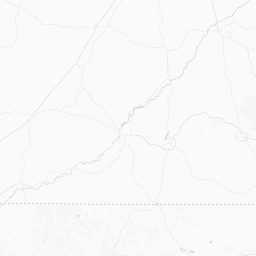
Geneva is a small city of roughly 4,400 people situated in Geneva County in the southeastern corner of Alabama, in a region commonly called the Wiregrass. The city sits near the confluence of the Choctawhatchee River and Pea River, which defines much of the local geography and provides recreational opportunities for residents and visitors alike.
Life here moves at a quiet, unhurried pace typical of rural Deep South communities. Geneva serves as the county seat of Geneva County, so it holds a modest collection of civic institutions, locally owned businesses, and community gathering spaces that give it more substance than its population might suggest.
For travelers, Geneva is most meaningful as a destination for those interested in Southern rural culture, river-based outdoor activities, or as a waypoint when driving through southeast Alabama toward the Florida Panhandle. It is not a large tourist destination, and visitors should arrive with modest expectations and a genuine curiosity about small-town American life.
Getting There
Geneva has no commercial airport or passenger rail service. The practical way to arrive is by personal vehicle or rental car.
Nearest Airports
- Dothan Regional Airport (DHN) in Dothan, Alabama is the closest airport with scheduled commercial service, approximately 25–30 miles northwest of Geneva. Verify current airline routes on the airport's official website before booking.
- Northwest Florida Beaches International Airport (ECP) near Panama City, Florida is another option for those flying from a broader range of cities, located roughly 70–80 miles to the southeast.
US Highway 84 and Alabama Highway 52 are the main road corridors into Geneva. Interstate 10 to the south (in Florida) and US Highway 231 to the west provide regional connections. Always verify current road conditions before travel, particularly if heavy rain is forecast, as low-lying routes near the rivers can be affected.
Getting Around
A personal or rental vehicle is essentially required for getting around Geneva and the surrounding county. There is no local public transit system, and ride-hailing services may have limited availability in this area — verify before you rely on them.
The city itself is compact and easy to navigate by car. Parking is generally straightforward and free in most areas. If you plan to explore the rural countryside, river access points, or nearby towns, having your own transportation is non-negotiable.
Where to Stay
Lodging options within Geneva city limits are very limited. There may be a small number of budget motel or inn options; verify current availability through booking platforms before your trip, as inventory and quality can shift in small markets.
Most travelers visiting the area stay in Dothan, which has a full range of national chain hotels and motels roughly 25–30 miles away. This makes Dothan a practical base if you plan to spend more than one day in the region. Alternatively, short-term rental platforms occasionally list rooms or homes in the Geneva area — check current listings for availability.
Things to See & Do
Choctawhatchee and Pea Rivers
The rivers near Geneva are the city's primary natural attraction. Fishing, kayaking, and canoeing are popular pursuits. The Choctawhatchee River offers access to catfish, bass, and other freshwater species. Check with local bait and tackle shops for current conditions, licensing requirements, and access points — Alabama fishing licenses are required and can be obtained through the Alabama Department of Conservation and Natural Resources (verify at the official state website).
Geneva County Courthouse and Downtown
The Geneva County Courthouse anchors a compact downtown area. The architecture and general streetscape are typical of small Alabama county seats and offer a quiet sense of regional history. A walk through downtown takes only a short time but gives a genuine feel for the community.
Surrounding Countryside
The wiregrass landscape — named for the native grass that once dominated the region's longleaf pine ecosystem — gives the area a distinctive character. Drives through Geneva County reveal farmland, small communities, and stretches of rural Alabama that feel largely unchanged from decades past.
Food & Drink
Dining options in Geneva are limited and consist primarily of locally owned casual restaurants and a small number of fast-food chains. Southern comfort food staples — plate lunches, barbecue, catfish — are the most likely offerings at independent establishments. Menus and hours change frequently in small towns, so it is worth asking locally or checking current listings before planning a meal around a specific spot.
Alcohol availability may be subject to local regulations. Geneva County's rules on alcohol sales should be verified locally, as policies in rural Alabama counties vary and can change. Visitors who prefer a wider restaurant selection will find more options in Dothan.
Practical Information
Emergency Services
For emergencies in the United States, dial 911. Geneva has local police and fire services. The nearest hospital with significant facilities is in Dothan — verify the specific facility and contact information locally before you need it.
Connectivity
Cell service in Geneva proper is generally available from major US carriers, though coverage can become patchy in more rural parts of Geneva County. Download offline maps before venturing into the countryside.
Weather
Southeast Alabama has a humid subtropical climate. Summers (June–August) are hot and humid, with temperatures regularly exceeding 90°F (32°C). Winters are mild but can bring occasional freezes. Thunderstorms are common in spring and summer. The region sits in an area occasionally affected by tropical weather systems — check forecasts if visiting June through November.
Shopping and Supplies
Basic supplies are available in Geneva, and there are grocery options in town. For a wider range of goods, Dothan is again the practical choice.
Safety
Geneva is a small, generally quiet community. Standard travel precautions apply: secure your vehicle and belongings, be mindful of your surroundings after dark in unfamiliar areas, and stay informed about weather conditions — particularly during thunderstorm season and hurricane season (June–November).
River activities carry inherent risks. If fishing or paddling, wear appropriate safety gear, be aware of current levels and water conditions, and never swim in unfamiliar river water without understanding local conditions first.