Overview
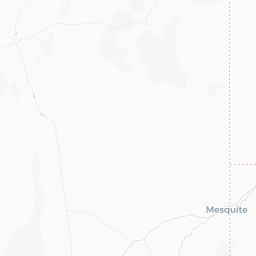
Beaver Dam is a small, unincorporated community in the far northwest corner of Arizona's Mohave County, sitting at the convergence of three states—Arizona, Utah, and Nevada—in a region sometimes called the Arizona Strip. With a population of roughly 2,000, it is not a tourist destination in the conventional sense, but its location along the I-15 corridor and the Virgin River makes it a natural stopping point for travelers moving between Las Vegas, St. George (Utah), and Zion National Park.
The landscape around Beaver Dam belongs to the transition zone between the Mojave Desert and the Colorado Plateau, characterized by red-rock outcroppings, desert scrub, and the narrow canyon carved by the Virgin River just to the northeast. Travelers passing through often find themselves surprised by the rugged, photogenic terrain that surrounds an otherwise quiet community.
For most visitors, Beaver Dam functions as a waypoint or an overnight base rather than a primary destination. That said, the surrounding public lands, the proximity to Beaver Dam Wash, and the accessibility to the Virgin River Gorge give outdoor-minded travelers genuine reasons to pause here.
Before You Go
Entry Requirements
Beaver Dam is a domestic US destination. International travelers should check TravelerPulse's Visas section and the official US Customs and Border Protection website for current entry requirements before traveling.
Climate
Summers (June–August) are hot, with daytime temperatures frequently exceeding 100°F (38°C). Spring and autumn offer the most pleasant conditions for outdoor activity. Winters are mild compared to much of Arizona's high country, though occasional freezing temperatures are possible. Travelers planning desert hikes should carry ample water regardless of season.
What to Pack
- Sun protection: hat, sunscreen, UV-rated sunglasses
- Sturdy footwear suitable for uneven desert terrain
- Sufficient water (resupply options in the immediate area are limited)
- A full tank of gas before arriving; fuel stations are sparse in this corridor
- Paper or offline maps—cell coverage can be intermittent in the surrounding canyons
Getting There
By Road
Beaver Dam sits directly along Interstate 15, making it straightforward to reach by car. From Las Vegas, the drive is approximately 90 miles (roughly 1.5 hours) northeast. From St. George, Utah, it is about 25 miles (roughly 30 minutes) south. This stretch of I-15 through the Virgin River Gorge is considered one of the more scenic freeway segments in the American Southwest and is heavily used by road-trippers.
Nearest Airports
Harry Reid International Airport (LAS) in Las Vegas is the most practical commercial airport for travelers heading to Beaver Dam. St. George Regional Airport (SGU) in Utah is closer and offers limited commercial service; verify current routes and airlines on the airport's official website before booking. There is no local public transit connecting either airport to Beaver Dam—a rental car or private vehicle is effectively required.
By RV or Camper
The I-15 corridor is well-traveled by RV traffic heading to and from Zion and the Las Vegas area. Verify specific RV site availability locally, as options in Beaver Dam itself are limited.
Getting Around
There is no local public transportation in Beaver Dam. A personal vehicle is essential for getting around the community and accessing surrounding public lands. Roads leading off the interstate into desert wash areas may be unpaved and can become impassable in wet weather; check conditions locally before venturing on unmaintained tracks.
The town is small enough to navigate on foot once you have parked, but the points of natural interest—particularly Beaver Dam Wash and the Virgin River Gorge viewpoints—require driving to access.
Where to Stay
There are no established hotels within Beaver Dam itself. Travelers typically base themselves in one of the two nearest towns:
- Mesquite, Nevada (~11 miles west): Has the largest concentration of lodging in the immediate area, with several casino-resort hotels and budget chain motels. Verify current availability and rates directly with properties or booking platforms.
- St. George, Utah (~30 miles north): Offers a full range of accommodation from budget motels to mid-range chain hotels, and is a popular base for Zion National Park visitors.
Camping on BLM land around the Beaver Dam Wash area may be possible; confirm regulations, designated areas, and any permit requirements with the BLM's Arizona Strip District office before planning an overnight stay outdoors.
Things to See & Do
Virgin River Gorge
The most dramatic natural feature accessible from Beaver Dam is the Virgin River Gorge, carved by the Virgin River as it cuts through the Beaver Dam Mountains. The gorge is visible from I-15 itself, but several pullouts and Bureau of Land Management (BLM) areas allow for closer exploration. Check with the BLM's Arizona Strip District for current access and trail conditions before visiting.
Beaver Dam Wash National Conservation Area
Managed by the Bureau of Land Management, this conservation area to the south protects habitat in the transition between the Mojave and Great Basin deserts. It is notable for supporting the Mojave desert tortoise and a range of desert plant communities. Access points and road conditions should be verified with BLM directly, as signage can be minimal.
Wildlife Observation
The region is habitat for mule deer, coyote, various raptor species, and the federally threatened Mojave desert tortoise. Quiet, early-morning observation around desert wash areas yields the best chances of wildlife sightings.
Road Tripping the Tri-State Corner
Beaver Dam's position at the Arizona-Utah-Nevada tri-state area makes it a natural waypoint for those tracing the boundary roads of the Arizona Strip—a remote and rarely visited swath of Arizona north of the Grand Canyon. This is best done with a capable vehicle, offline maps, and thorough preparation.
Food & Drink
Beaver Dam has very limited dining infrastructure. Travelers should not count on finding restaurants or cafes in the immediate community. The nearest reliable concentration of food and fuel services is in Mesquite, Nevada (approximately 11 miles west on I-15), which has a range of fast-food chains, casual dining restaurants, and grocery options associated with its casino resort cluster.
St. George, Utah (approximately 30 miles north) offers a broader selection of restaurants, coffee shops, and grocery stores. Travelers planning a day of outdoor activity around Beaver Dam should bring food, snacks, and water with them, as resupply in the field is not possible.
Practical Information
Emergency Services
For emergencies anywhere in the US, dial 911. Mohave County Sheriff's Office covers law enforcement in this area. The nearest hospital with significant emergency capability is in St. George, Utah. Confirm the nearest urgent care or emergency room location before heading into remote desert areas.
Connectivity
Cell service along I-15 near Beaver Dam is generally available but can drop off quickly once you leave the interstate corridor. Download offline maps (such as maps.me or Google Maps offline) before arriving.
Fuel and Supplies
Do not count on finding a gas station in Beaver Dam itself. Fill up in Mesquite, Nevada or St. George, Utah before exploring backcountry roads. The same applies to drinking water and food supplies.
Time Zone Note
Arizona does not observe Daylight Saving Time. Nevada and Utah do. This means that for part of the year, Beaver Dam (AZ) and Mesquite (NV, just 11 miles away) will be in different time zones. Confirm local times when scheduling across the state line.
Safety
The primary safety considerations in and around Beaver Dam are environmental rather than crime-related. Desert heat is the most serious hazard: dehydration and heat exhaustion can develop quickly, especially in summer. Carry at minimum one gallon of water per person per day when hiking or spending time outdoors.
Flash flooding is a seasonal risk in desert washes and canyon areas. Thunderstorms upstream—even storms you cannot see—can send walls of water down dry washes with little warning. Check weather forecasts before entering canyon or wash terrain, and never camp in a wash bottom.
I-15 through the Virgin River Gorge carries heavy traffic at high speeds. Use designated pullouts safely and keep clear of the roadway when stopping to view the gorge scenery.