Overview
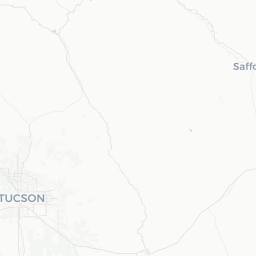
Benson is a small high-desert town in Cochise County, southeastern Arizona, sitting at roughly 3,580 feet elevation along the San Pedro River valley. With a population of under 5,000, it functions primarily as a service hub and overnight stop for travelers exploring the surrounding Sonoran and Chihuahuan desert borderlands.
The town's identity is shaped by two things above all else: its proximity to Kartchner Caverns State Park — one of the most significant cave systems discovered in the American Southwest — and its position along the San Pedro River, a rare perennial desert waterway that draws exceptional biodiversity. Birders, cavers, hikers, and history enthusiasts all find reasons to stop here.
Benson was established as a railroad town in 1880 when the Southern Pacific reached the area, and echoes of that era persist in the downtown streetscape and in the Benson Visitor Center housed in the historic railroad depot. The pace is unhurried, amenities are modest, and the landscape — rolling grasslands giving way to rugged sky island mountain ranges — does most of the talking.
Before You Go
Visas
Benson is in the United States. For visa and entry requirements, visit TravelerPulse's Visas section and check with the U.S. Customs and Border Protection (CBP) or your country's embassy. International visitors should note that CBP highway checkpoints operate on nearby Interstate 10 and State Route 90.
Climate
Benson sits in a semi-arid high desert. Summers (June–August) are hot, often exceeding 95°F (35°C), with afternoon monsoon thunderstorms arriving from mid-July through September. Winters are mild by day (50s–60s°F / 10–15°C) but can drop below freezing overnight. Spring and autumn offer the most comfortable conditions for outdoor activity.
What to Pack
- Sun protection (hat, sunscreen, UV-protective clothing) year-round
- Layers for cool desert nights, even in spring and autumn
- Sturdy walking shoes or hiking boots
- Insect repellent during monsoon season
- A full tank of gas — services can be sparse between towns in this region
Reservations
Kartchner Caverns tours sell out frequently, especially on weekends and during school holidays. Book well in advance through the Arizona State Parks reservation system.
Getting There
By Car
Benson is the most practical way to arrive. The town sits on Interstate 10, approximately 45 miles east of Tucson and roughly 90 miles north of the Mexican border crossing at Nogales. State Route 90 connects Benson south to Sierra Vista and Fort Huachuca.
By Bus
Greyhound and some regional bus services stop in Benson along the I-10 corridor. Verify current schedules and stops directly with carriers, as service frequency on this route changes.
By Air
The nearest commercial airport is Tucson International Airport (TUS), approximately 45–50 miles to the west. Rental cars are available at TUS and represent the most convenient way to continue to Benson. Sierra Vista's Libby Army Airfield serves military and limited general aviation traffic.
Getting Around
Benson is a small, walkable downtown, but the key attractions — Kartchner Caverns, the San Pedro River corridor, and nearby trailheads — require a vehicle. There is no local public transit system. Ride-share availability is limited; verify locally before relying on it.
A standard passenger car is sufficient for most destinations around Benson. High-clearance vehicles are useful if you plan to explore unpaved BLM roads along the San Pedro River. Gas stations are available in town; fill up before heading into the more remote surrounding areas.
Where to Stay
Accommodation in Benson consists primarily of chain motels along the I-10 exits and a small number of independent motels and bed-and-breakfasts. Options are modest but adequate for an overnight stop. Verify current availability and pricing on booking platforms or directly with properties, as the small-town inventory can fill quickly during major birding events or holiday weekends.
For travelers preferring more amenity-rich lodging, Tucson and Sierra Vista both offer broader selections and are within 45–60 minutes by car. RV parks and campgrounds are also available in and around Benson, reflecting the area's popularity with snowbird travelers in winter months.
Things to See & Do
Kartchner Caverns State Park
The centerpiece attraction for most visitors, Kartchner Caverns is a living limestone cave system discovered in 1974 and protected as an Arizona State Park since 1988. Guided tours lead through two cave formations — the Rotunda/Throne Room tour and the Big Room tour (the Big Room tour is seasonal; verify dates on the Arizona State Parks website). The cave maintains a constant temperature and high humidity year-round. Photography inside the cave is not permitted on most tours.
San Pedro Riparian National Conservation Area
Managed by the Bureau of Land Management (BLM), this protected corridor along the San Pedro River is internationally recognized for its bird diversity. Over 350 bird species have been recorded here, making it a major destination for birders, particularly during spring and autumn migration. The town of Fairbank, a preserved ghost town within the conservation area, is accessible by foot from the main trailhead and offers interpretive historical panels.
Horseshoe Bend Nature Park
A small, locally managed riparian park near the center of Benson offering short walking trails along the San Pedro River — a low-key option for a morning walk or casual birdwatching.
Historic Downtown & Visitor Center
The Benson-Otero Museum and the historic Southern Pacific depot (now the Visitor Center) offer a grounded introduction to the town's railroad and ranching heritage. The downtown area is compact and easily explored on foot.
Singing Wind Bookshop
A well-regarded independent bookshop located on a working ranch north of Benson. Specializing in Southwestern literature, natural history, and regional titles, it has attracted readers from across the country. Hours are informal — call ahead before visiting.
Food & Drink
Dining options in Benson are limited but functional, centered on American diner fare, Mexican and Tex-Mex cuisine, and fast-food chains along the I-10 corridor. The town does not have a notable fine-dining scene.
Several locally owned Mexican restaurants serve hearty, straightforward border-region food. A handful of diners and sandwich shops cater to travelers and locals alike. Hours can be irregular — verify before visiting, especially on weekdays outside peak hours.
Tucson, 45 miles west, offers a much wider range of dining options including James Beard–recognized restaurants and a robust food scene, and is a reasonable evening destination if you have a car.
Practical Information
Money
ATMs are available at banks and some gas stations in town. Most established businesses accept major credit cards, but carry some cash for smaller vendors and roadside stops.
Connectivity
Cell coverage in Benson town center is generally reliable on major U.S. carriers, but signal drops off quickly in the San Pedro river corridor and backcountry areas. Do not rely on navigation apps or emergency calls in remote stretches.
Emergency Services
Dial 911 for all emergencies. Benson has a local police department and fire services. The nearest hospitals with emergency departments are in Tucson; verify the current status of any local medical clinic before your trip.
Useful Contacts
- Benson Visitor Center: located in the historic railroad depot on 4th Street — verify hours locally
- Arizona State Parks (Kartchner Caverns reservations): azstateparks.com
- BLM San Pedro information: verify at the local BLM field office or blm.gov
Safety
Benson is a generally quiet, low-crime town. Standard travel precautions apply: secure valuables in your vehicle and be aware of your surroundings, particularly at night along commercial strips.
The region is close to the U.S.–Mexico border, and U.S. Border Patrol maintains a visible presence on I-10 and secondary roads. Highway checkpoints are routine. Travelers should carry valid identification.
Outdoor safety is the primary concern for active visitors. Desert heat, flash flooding in arroyos during monsoon season (July–September), and the possibility of encounters with rattlesnakes or other desert wildlife require awareness and preparation. Carry water beyond what you think you'll need, tell someone your plans if hiking in remote areas, and heed posted warnings at trailheads.