Dịch

Overview
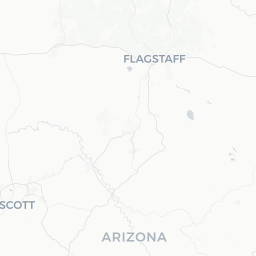
Lake Montezuma is a small unincorporated community in Yavapai County, Arizona, situated in the Verde Valley at roughly 3,300 feet elevation. With a population of around 4,700, it functions more as a quiet residential area than a conventional tourist destination, but its central location places it within minutes of some of central Arizona's most visited archaeological sites.
The community sits along Beaver Creek, a perennial tributary of the Verde River, and is surrounded by red rock terrain, juniper-pinyon woodland, and riparian corridors that support a range of wildlife. Visitors passing through the Verde Valley corridor between Sedona and Camp Verde often find Lake Montezuma a convenient and less-crowded alternative base to Sedona.
Because it is unincorporated, Lake Montezuma has limited dedicated visitor infrastructure — there are no large hotel chains, major shopping districts, or downtown cores. Travelers should plan accordingly, using the community primarily as a staging point for exploring the broader Verde Valley.
Before You Go
Visas and Entry
Lake Montezuma is located in the United States. For visa and entry requirements, check TravelerPulse's Visas section and consult the U.S. Customs and Border Protection website or your nearest U.S. embassy or consulate.
What to Pack
- Sun protection is essential year-round; UV intensity is high at this elevation
- Layers are advisable, especially in spring and fall when mornings and evenings can be cool even when midday is warm
- Sturdy walking shoes are recommended for archaeological site trails
- Water — carry more than you think you need on any outdoor activity
Connectivity and Services
Mobile coverage is generally available but can be patchy in creek canyons and on backcountry roads. Stock up on fuel, groceries, and supplies in Camp Verde (roughly 6 miles southwest) or Cottonwood (roughly 15 miles west), as options in Lake Montezuma itself are very limited.
Getting There
By Air
The nearest major airport is Phoenix Sky Harbor International Airport (PHX), approximately 90 miles to the south. Flagstaff Pulliam Airport (FLG) is roughly 50 miles to the north and offers limited commercial service. A rental car is strongly recommended, as no regular shuttle or public transit connects either airport to Lake Montezuma.
By Road
Interstate 17 is the primary approach route from both Phoenix (south) and Flagstaff (north). Exit at the McGuireville Road or Cornville Road interchanges in Yavapai County, then follow local roads east toward Beaver Creek. State Route 179 from Sedona intersects with the Verde Valley road network and provides a scenic alternative approach from the north. Verify current road conditions with the Arizona Department of Transportation before travel, as seasonal flooding near Beaver Creek can temporarily affect local roads.
By Bus
Greyhound and regional bus services do not serve Lake Montezuma directly. The nearest intercity bus stops are in Camp Verde and Cottonwood; verify current routes and schedules with individual operators before your trip.
Getting Around
A personal vehicle or rental car is effectively essential for getting around Lake Montezuma and the surrounding Verde Valley. Roads in the area are a mix of paved state and county routes and unpaved forest roads; a standard passenger vehicle is sufficient for reaching the main national monuments, but a higher-clearance vehicle opens up access to more remote areas along the Coconino National Forest.
Ride-hailing services have limited availability in rural Yavapai County — do not rely on them without verifying coverage in advance. Cycling is possible on paved roads but should be approached cautiously given the lack of dedicated bike infrastructure and occasional high-speed rural traffic.
Where to Stay
There are no large hotels in Lake Montezuma itself. Accommodation options in the immediate area lean toward vacation rentals (listed on major short-term rental platforms), campgrounds, and RV parks. Beaver Creek Campground, managed by the Coconino National Forest near the Wet Beaver Creek trailhead, offers a basic but scenic option; verify current availability, fees, and reservation requirements through Recreation.gov.
For a broader selection of hotels, motels, and bed-and-breakfast properties, Camp Verde and Cottonwood are the most practical nearby bases. Sedona offers premium resort and boutique lodging at considerably higher price points. Book accommodation well in advance if you are visiting between March and May or in October, when Verde Valley visitation peaks.
Things to See & Do
Montezuma Castle National Monument
One of the best-preserved cliff dwellings in North America, Montezuma Castle is located about 5 miles southwest of Lake Montezuma near Camp Verde. The five-story, 20-room structure was built by the Sinagua people roughly 600–700 years ago into a limestone cliff above Beaver Creek. A paved, accessible trail loops along the base of the cliff. Note that entry into the dwelling itself has not been permitted for decades to protect the structure; verify current access and fee information at the official National Park Service website before visiting.
Montezuma Well
Often overlooked in favor of the Castle, Montezuma Well is a detached unit of the same national monument located just a few miles from the Lake Montezuma community. It is a natural limestone sinkhole fed by around 1.5 million gallons of water daily from underground springs. The site contains additional Sinagua cliff dwellings, irrigation ditches, and a riparian ecosystem. Admission details should be verified locally or on the NPS website.
Beaver Creek and Riparian Recreation
Beaver Creek, which flows through the community, offers fishing (Arizona fishing license required — verify current regulations with Arizona Game and Fish), bird-watching, and quiet nature walks. The Wet Beaver Creek Wilderness, within the Coconino National Forest, begins a short drive to the east and provides hiking on trails that wind through a canyon popular for swimming holes in warmer months. Conditions change seasonally; check with the Coconino National Forest Red Rock Ranger District before heading out.
Verde Valley Wine and Agricultural Trail
The broader Verde Valley has developed a notable cluster of small wineries and farms centered around Cornville and Page Springs, roughly 15–20 miles west. Day trips to taste local wines and visit farm stands are a popular activity for visitors based in the area. Verify current operating days and hours directly with individual producers.
Food & Drink
Lake Montezuma itself has very limited dining options given its small size and unincorporated character. Travelers should expect to drive to Camp Verde, Cottonwood, or Sedona for a broader range of restaurants and grocery stores.
Camp Verde, the nearest town, has a modest selection of casual dining including American and Mexican cuisine. Cottonwood offers a more developed dining scene along its historic Main Street, with sit-down restaurants, cafes, and wine-tasting rooms associated with the Verde Valley wine region. Sedona, roughly 25 miles north, has the widest variety of dining in the region across multiple price points, though it is busier and more expensive.
If you are staying in a vacation rental or campsite, stocking a cooler with groceries from a Camp Verde or Cottonwood supermarket is a practical approach for meals.
Practical Information
Emergency Services
For emergencies anywhere in the United States, dial 911. The nearest hospital with emergency services is in Camp Verde or Cottonwood; verify the closest facility with up-to-date information before your trip.
Time Zone
Arizona observes Mountain Standard Time (MST) year-round and does not participate in Daylight Saving Time. This means Arizona is on the same time as Pacific Daylight Time during summer months — a detail worth noting when coordinating with contacts in other states.
Money
Cash is useful for smaller local vendors and recreation fee envelopes at self-pay sites. ATMs are available in Camp Verde and Cottonwood. Major credit cards are widely accepted at established businesses.
Climate Notes
Summers (June–August) bring intense heat and afternoon monsoon thunderstorms. Lightning and flash flooding are genuine hazards in canyon areas — always check weather forecasts before hiking in slot canyons or creek beds. Winters are mild by Arizona standards but can bring occasional freezing temperatures overnight.
Safety
Lake Montezuma is a quiet rural community with no notable urban safety concerns. The primary risks for visitors are environmental: heat exhaustion, dehydration, flash flooding, and wildlife encounters (rattlesnakes are present in the region, particularly in warmer months).
When hiking, carry adequate water (at least one liter per hour of active exertion in warm weather), inform someone of your plans, and stay on marked trails where possible. Do not attempt to cross flooded washes — water levels can rise rapidly during monsoon storms and the force of flash flood water is routinely underestimated. If you encounter a rattlesnake, give it a wide berth and allow it to move away.