Translate
Overview
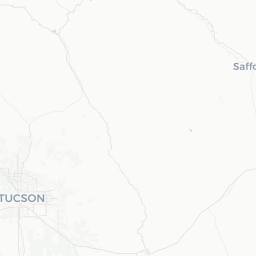
Sells is a small town of roughly 2,500 people located about 60 miles southwest of Tucson in southern Arizona. It serves as the administrative capital of the Tohono O'odham Nation, one of the largest Native American nations in the United States by land area, whose territory spans roughly 2.8 million acres across the Sonoran Desert and extends to the US–Mexico border.
The town sits at an elevation of around 2,400 feet in a broad desert valley framed by low mountain ranges. The surrounding landscape is classic Sonoran Desert — saguaro cacti, palo verde trees, ocotillo, and creosote bush — and the light and silence here have a quality that draws photographers and those seeking genuine desert solitude.
Sells is not a conventional tourist destination with developed hospitality infrastructure, but it offers travelers an authentic window into living O'odham culture, desert ecology, and a pace of life shaped by the land rather than by commerce. Visitors should approach the community with respect for tribal sovereignty and cultural protocols.
Before You Go
Tribal Land Entry
Sells and the surrounding Tohono O'odham Nation lands are sovereign tribal territory. While a permit is not required simply to drive through or stop in Sells itself, some areas of the reservation — including certain cultural sites and the Baboquivari Peak Wilderness area — require a tribal recreation permit. Contact the Tohono O'odham Nation's Department of Cultural Affairs or Recreation Department before visiting to understand current requirements, which can change.
US–Mexico Border Proximity
Sells sits close to the international border. There are Border Patrol checkpoints on routes leading in and out of the area. All travelers — including US citizens — should carry valid government-issued identification. Non-US citizens should carry their passport and any relevant immigration documents at all times.
Visas
Sells is in the United States. For visa requirements specific to your nationality, check TravelerPulse's Visas section and consult the US Department of State's official travel website or the embassy of the United States in your home country.
Practical Preparations
- Services are limited: fill your gas tank, carry cash, and bring water before arriving. ATM access is not guaranteed.
- Cell service can be spotty on reservation roads. Download offline maps before departing Tucson.
- Summer temperatures regularly exceed 105–110°F. Traveling between late May and September requires serious heat preparedness.
Getting There
By Car
The most practical way to reach Sells is by private vehicle. From Tucson, take State Route 86 (Ajo Way) west approximately 60 miles. The drive takes just under an hour in normal conditions and passes through the Tohono O'odham Nation. The road is paved and well-maintained, though desert driving conditions apply — watch for livestock, wildlife, and dust storms in summer.
Public Transportation
Limited public transit options exist between Tucson and Sells. Verify current schedules locally or with Pima County transit resources, as service is not frequent and schedules change.
By Air
The nearest major airport is Tucson International Airport (TUS), served by multiple US carriers. No commercial air service operates directly to Sells. Renting a car at TUS is strongly recommended for this trip.
Getting Around
A personal vehicle is essential for getting around Sells and the surrounding Tohono O'odham lands. The town itself is small enough to walk, but reaching any outlying areas — Baboquivari Peak, Kitt Peak, or desert wash trailheads — requires driving.
Roads within the reservation vary widely in quality. Paved roads connect major points, but many secondary roads are unpaved and can become impassable after heavy rains. A high-clearance vehicle is advisable if you plan to venture off main routes. Check local road conditions before heading out, especially during the summer monsoon season (July–September).
There are no ride-share or taxi services reliably available in Sells. Plan to be self-sufficient with your transportation.
Things to See & Do
Tohono O'odham Culture
The Tohono O'odham Nation has inhabited this desert for centuries and maintains a rich living culture. The Tohono O'odham Nation Cultural Center and Museum in Topawa, just south of Sells, is the primary place to learn about tribal history, language, art, and traditions. Verify current hours and admission before visiting.
Baboquivari Peak
Baboquivari Peak, sacred to the Tohono O'odham people as the home of I'itoi (Elder Brother), rises dramatically southwest of Sells. Hiking or climbing the peak requires a tribal recreation permit and is considered a significant spiritual site — conduct yourself accordingly. Verify permit requirements with the tribe before planning a visit.
Kitt Peak National Observatory
Located about 15 miles north of Sells on the Tohono O'odham Nation, Kitt Peak National Observatory sits at roughly 6,880 feet and houses one of the largest concentrations of optical telescopes in the world. Public programs, daytime tours, and nighttime observation programs are offered — check the observatory's official website (noirlab.edu/public/programs/kpno) for current schedules and reservations, which are often required.
Desert Landscape and Wildlife Viewing
The Sonoran Desert around Sells supports remarkable biodiversity: saguaro cactus, Gila woodpeckers, elf owls, javelinas, coyotes, and in remote areas, the occasional pronghorn. Early morning walks or drives near washes are productive for wildlife observation. The monsoon season transforms the desert with wildflowers and dramatic skies, though road conditions require caution.
Wa:k (San Xavier del Bac)
While technically closer to Tucson (about 40 miles northeast), the Mission San Xavier del Bac on the Tohono O'odham (Pascua Yaqui) San Xavier District is a natural complement to any visit to Sells. Known as the "White Dove of the Desert," it is an active parish and one of the finest examples of Spanish colonial architecture in the American Southwest.
Food & Drink
Dining options in Sells are modest and primarily utilitarian. There are a small number of fast-food outlets, a grocery store, and locally operated eateries — availability and hours should be verified on arrival, as they can change.
If you are fortunate, you may find traditional O'odham foods such as tepary beans, cholla buds, or saguaro fruit products at community events or the occasional roadside stand during appropriate seasons. The Tohono O'odham Nation has a deep food sovereignty tradition rooted in desert agriculture; visitors with a genuine interest in this topic may find the Cultural Center a useful starting point.
For a wider selection of restaurants, plan to eat in Tucson before or after your visit, or carry supplies. The town of Ajo, about 35 miles to the west via SR 86, also has a modest selection of restaurants and a grocery store.
Shopping
The Tohono O'odham Nation is particularly renowned for its basketry — considered among the finest in Native North America. Woven from yucca, beargrass, and devil's claw, these baskets can sometimes be purchased directly from artisans or through the Cultural Center. Purchasing directly from makers when possible ensures that economic benefit stays within the community.
Avoid purchasing items representing indigenous cultures from non-indigenous retailers or street vendors outside the reservation. The Indian Arts and Crafts Act makes it illegal in the US to falsely represent non-Native made goods as Native American art.
Basic supplies — fuel, groceries, some hardware — are available in Sells. For anything beyond essentials, Tucson is the practical destination.
Practical Information
Health and Medical Services
- The Sells Indian Health Service (IHS) Hospital provides medical care primarily to tribal members. Non-members should not assume they will receive services here in a non-emergency. The nearest full-service hospitals for non-tribal visitors are in Tucson.
- Carry a well-stocked first aid kit, especially for desert hiking.
- Bring significantly more water than you think you need — at least one gallon per person per day in warm months.
Emergency Services
- In a life-threatening emergency, dial 911. Be aware that response times in remote reservation areas may be longer than in urban settings.
- Cell service is unreliable in many parts of the reservation. Consider a satellite communicator device if venturing into remote areas.
Money and Connectivity
- Cash is advisable; ATM access is limited and not guaranteed.
- Fuel up before leaving Tucson or Ajo, and again when you find a station — don't assume the next one will be open.
- Wi-Fi is not widely available. Plan for limited connectivity throughout your stay.
Time Zone
- Arizona does not observe Daylight Saving Time. The Tohono O'odham Nation (unlike the Navajo Nation) follows the state in not observing DST. Year-round, Sells operates on Mountain Standard Time (UTC−7).
Safety
Sells is a quiet, low-crime community in day-to-day terms. The primary safety considerations for visitors are environmental and logistical rather than personal-security related.
Desert heat is the most serious hazard. Heatstroke can develop rapidly in summer temperatures. Never hike alone in remote areas, always tell someone your itinerary, and carry far more water than you expect to need. Shade and air-conditioned space are scarce outside the town center.
The proximity to the international border means Border Patrol presence is significant throughout the area. Checkpoints are routine on SR 86 and other routes. Carry identification and be prepared for brief stops. The border region itself can present safety risks in remote areas; stay on established roads and do not attempt to approach the international boundary fence in isolated locations.
Wildlife hazards include rattlesnakes (common and active in warm months), scorpions, and Gila monsters. Watch where you step, shake out shoes left outside, and do not handle any wildlife. Javelinas are generally not dangerous but should not be approached or fed.
Local Culture & Etiquette
The Tohono O'odham (whose name means 'Desert People') have lived in this region for thousands of years, maintaining deep connections to the land, water, and seasonal cycles of the Sonoran Desert. Their traditional lands straddle the US–Mexico border, and many families have relatives on both sides — a situation that creates unique social and political dynamics.
Visitors should understand that they are guests on sovereign tribal land. Photographing people, ceremonies, or sacred sites without explicit permission is disrespectful and may be prohibited. Ask before taking photos of individuals or culturally sensitive locations. Some ceremonies and events are closed to non-tribal members.
The O'odham language is still spoken in the community, and many elders prefer it to English. A respectful greeting and patience go a long way. If you attend any public cultural event — such as the annual Tohono O'odham Nation Fair — observe the same courtesies you would at any community gathering: follow posted rules, ask before participating, and listen more than you speak.