Translate
Overview
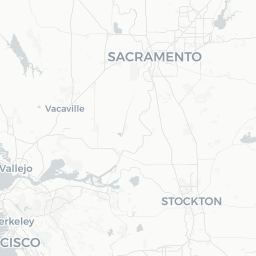
Elverta is a small unincorporated community in Sacramento County, California, situated in the broad, flat Sacramento Valley roughly 15 miles north of downtown Sacramento. With a population of around 5,500, it functions largely as a residential enclave surrounded by agricultural land, and it does not operate as a conventional tourist destination.
The area's character is defined by open space, scattered ranches, and a pace of life that contrasts sharply with the state capital just down the road. Visitors passing through or staying nearby will find value in Elverta mainly as a quiet, affordable base for exploring Sacramento and its surrounding region rather than as a destination with its own developed tourism infrastructure.
Because Elverta lacks a commercial downtown core, dedicated museums, or major attractions of its own, travelers should frame any visit around the broader Sacramento area — using Elverta's relative tranquility as a backdrop while day-tripping to the city, the Delta, or the foothills.
Getting There
By Air
Sacramento International Airport (SMF) is the most practical entry point and sits roughly 10–12 miles southwest of Elverta. Major domestic carriers serve SMF, and rental cars are available on-site — a car is essentially necessary to reach Elverta and move around once there.
By Car
Elverta is easily accessed from Interstate 5 or Highway 99, connecting south toward Sacramento and north toward the agricultural towns of Sutter and Yolo counties. Watt Avenue and Elverta Road are the primary local corridors.
By Public Transit
Sacramento Regional Transit (SacRT) operates bus routes in parts of northern Sacramento County. Coverage in the immediate Elverta area is limited; verify current routes and schedules directly with SacRT before planning a transit-dependent trip.
Getting Around
A personal vehicle is the most practical way to navigate Elverta and the surrounding area. Roads are largely flat and grid-like, reflecting the valley's agricultural layout, and distances between points of interest spread across the broader region are significant.
Rideshare services (Uber, Lyft) are available in greater Sacramento and can reach Elverta, though availability may be lower than in urban neighborhoods — allow extra wait time, especially in the evening. Cycling is feasible on quieter local roads for those comfortable with low-traffic rural riding, but there are limited dedicated bike facilities in the community itself.
Where to Stay
There are no well-known hotels or branded accommodations located directly within Elverta. Travelers looking to stay in the area will find the most options in nearby Antelope, Roseville, or North Sacramento, where national chain hotels and motels are available along major commercial corridors.
Short-term rental platforms (Airbnb, Vrbo) may list private rooms or homes in and around Elverta; availability fluctuates and should be checked directly on those platforms. Staying in North Sacramento or near the Sacramento International Airport corridor keeps travelers close to the community while providing more accommodation options.
Things to See & Do
Elverta itself has limited dedicated visitor attractions, but the surrounding area offers several worthwhile options within a short drive.
- American River Parkway: One of the longest urban river parkways in the country, the Jedediah Smith Memorial Trail runs along the American River and is accessible from multiple points south of Elverta. It is popular for cycling, running, and birdwatching.
- Dry Creek Confluence area: The confluence of Dry Creek and the Sacramento River is not far north, offering quiet spots for fishing and wildlife observation.
- Sacramento's historic and cultural sites: Old Sacramento State Historic Park, the California State Capitol, and the Crocker Art Museum are all roughly 15–20 miles south and represent the region's primary cultural draws.
- Local agricultural landscapes: Driving or cycling the rural roads around Elverta provides an authentic look at Sacramento Valley farming — seasonal crops, orchards, and open sky are the main visual reward.
Food & Drink
Elverta does not have a restaurant district or notable dining scene of its own. Residents and visitors typically travel to nearby communities — Rio Linda immediately to the south, or North Sacramento — for everyday dining options including fast food, casual American fare, and convenience stores.
For a broader range of restaurants, coffee shops, and breweries, the northern Sacramento neighborhoods (North Natomas, Antelope, Roseville) are within 15–25 minutes by car and offer considerably more choice. Verify hours locally, as smaller establishments in the area can have variable schedules.
Practical Information
Visas and Entry
Elverta is within the United States. For entry requirements, visit TravelerPulse's Visas section and consult the U.S. Customs and Border Protection website (cbp.gov) or the U.S. Embassy or consulate in your home country for current, authoritative guidance.
Connectivity
Cellular coverage in Elverta is generally consistent with major Sacramento-area carriers (AT&T, Verizon, T-Mobile), though rural pockets may see weaker signal. Home broadband is available for short-term rental guests; verify with individual hosts.
Emergency Services
The Sacramento County Sheriff's Office serves unincorporated areas including Elverta. In any emergency, dial 911.
Climate Notes
Elverta experiences a Mediterranean-influenced Sacramento Valley climate: hot, dry summers with temperatures regularly exceeding 95 °F (35 °C), and mild, occasionally foggy winters with the region's characteristic 'tule fog' from December through February. Spring and fall are the most comfortable seasons for outdoor activity.
Safety
Elverta is a quiet residential community with no particular traveler safety concerns beyond those common to any rural California area. Standard precautions apply: secure valuables in vehicles, be aware of surroundings after dark in unfamiliar areas, and carry water during summer given the intense valley heat.
Summer heat in the Sacramento Valley can be dangerous for those unaccustomed to it. Hydration, sun protection, and avoiding strenuous outdoor activity during peak afternoon hours (roughly noon–4 pm) from June through September are practical precautions rather than optional suggestions.