Overview
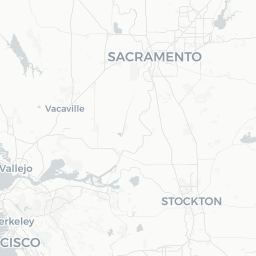
The Mission District is one of San Francisco's oldest and most culturally layered neighborhoods, situated in the eastern-central part of the city between the hills of Noe Valley and Potrero Hill. Named after Mission Dolores — the oldest standing structure in San Francisco, founded in 1776 — the neighborhood has been a gateway for successive waves of immigrants, most notably from Mexico and Central America, giving it a distinctly Latino character that persists today.
Over the past two decades, the Mission has also become a focal point of San Francisco's tech-era gentrification, which has made it a neighborhood of contrasts: century-old taquerias sit alongside craft cocktail bars, and working-class muralists share walls with high-end galleries. This tension is part of what makes the Mission one of the most discussed and visited urban neighborhoods on the West Coast.
For travelers, the Mission offers some of San Francisco's best street food, a dense concentration of public murals, lively weekend farmers' markets, independent bookshops, vintage clothing stores, and a nightlife scene that runs later than most of the city. It is also reliably sunnier than other San Francisco neighborhoods, sheltered from the coastal fog by its inland position.
Before You Go
The Mission District is a neighborhood within San Francisco — no separate visa, entry permit, or local registration is required beyond standard US entry requirements. For visa information, check TravelerPulse's Visas section and the official US Customs and Border Protection website.
Weather
San Francisco's microclimate system means the Mission is one of the warmest and sunniest parts of the city year-round. Late summer and early autumn (September–November) typically bring the most reliable sun and temperatures that can reach the mid-60s to low 70s°F (around 18–22°C). Even so, evenings cool quickly; layers are always advisable.
Practical prep
- The neighborhood is walkable but hilly on its western edges; comfortable shoes matter.
- Most businesses accept cards, though some small taquerias and street vendors are cash-preferred — ATMs are plentiful on Mission Street.
- Street parking is difficult; plan to use public transit or rideshare.
- The Mission's arts and nightlife scene is most active Thursday–Saturday evenings.
Getting There
By BART
The most practical way to reach the Mission District is via the Bay Area Rapid Transit (BART) system. The 16th Street Mission and 24th Street Mission stations sit directly on Mission Street and place you at the heart of the neighborhood. BART connects directly to San Francisco International Airport (SFO) and Oakland International Airport (OAK, with a connection). Verify current fares and schedules at bart.gov.
By Muni
San Francisco's Muni network runs multiple bus and light-rail lines through the Mission. The J-Church Muni Metro line runs along Church Street on the western edge of the neighborhood. Several bus lines (including the 14 and 49) travel along Mission Street. Check the SFMTA website for current routes and fares.
By rideshare or taxi
Uber, Lyft, and taxis are readily available throughout San Francisco. Traffic on Mission Street can be heavy during peak hours.
Getting Around
The Mission District is best explored on foot. The main commercial and cultural spine runs along Mission Street and Valencia Street, which run parallel and are only one block apart. Most points of interest between Cesar Chavez Street (to the south) and 16th Street (to the north) are within a comfortable 20–30 minute walk of each other.
Bicycles are a popular and practical option. The Valencia Street corridor has a dedicated protected bike lane, and several bike-share stations (Bay Wheels) are located in the neighborhood — verify current dock locations and pricing at baywheels.com.
For trips to adjacent neighborhoods (Castro, Noe Valley, SoMa), Muni buses and light rail are frequent and straightforward. BART is the fastest option for longer trips across the Bay.
Things to See & Do
Mission Dolores (Mission San Francisco de Asís)
The oldest intact building in San Francisco, founded in 1776. The original adobe chapel and the adjacent 19th-century basilica are open to visitors. A small museum and historic cemetery are on site. Verify current admission fees and hours directly with the mission before visiting.
Balmy Alley and Clarion Alley Murals
Two pedestrian alleyways that function as open-air galleries of political and community murals. Balmy Alley (off 24th Street near Harrison) has been a mural site since the 1970s; Clarion Alley (between Mission and Valencia, 17th–18th Streets) is more frequently updated and often more provocative. Both are free to visit at any hour.
Dolores Park
Mission Dolores Park (officially Jose Coronado Dolores Park) is a large hillside green space at 18th and Dolores Streets. On warm weekends it draws large, diverse crowds. The park offers city views, a playground, tennis and basketball courts, and a small café kiosk. It is a good place to understand the neighborhood's social fabric.
Valencia Street corridor
Valencia Street between 16th and 24th Streets is the neighborhood's indie retail and dining spine, lined with bookshops, vintage stores, cafés, and restaurants. The street rewards slow, exploratory walking.
Saturday Farmers' Market at the Ferry Building (nearby)
While technically in the Embarcadero, the Saturday farmers' market is a short BART or bike ride away and worth combining with a Mission visit.
SFMOMA and other museums (adjacent)
The San Francisco Museum of Modern Art is a 15-minute walk or short transit ride toward SoMa and is worth a half-day for art travelers.
Food & Drink
The Mission District has one of the highest concentrations of taquerias in the United States, and the neighborhood's version of the San Francisco-style burrito — large, foil-wrapped, stuffed with rice, beans, meat, and salsa — is a point of genuine local pride. La Taqueria and El Farolito are two long-standing, frequently cited establishments, but the neighborhood has dozens of options; exploring is part of the experience.
What to eat and drink
- Burritos and tacos: The neighborhood staple. Look for spots with steady lines of locals as a quality indicator.
- Pupusas and Salvadoran food: Central American cuisine is well represented, particularly around 24th Street.
- Bakeries (panaderías): Several traditional Mexican bakeries operate in the neighborhood; early mornings are best for fresh stock.
- Coffee: A dense café culture exists alongside the Latino food scene; multiple independent roasters have outposts here.
- Bars and cocktail spots: Valencia Street has a range of bars from dive bars to craft cocktail venues. The Mission nightlife scene typically runs later than most SF neighborhoods.
Note: Restaurant hours and ownership change frequently in San Francisco. Verify current status before making a special trip to any specific establishment.
Shopping
Valencia Street is the primary shopping corridor and skews toward independent retail. You will find used and new bookshops (Adobe Books has been a neighborhood institution), vintage and consignment clothing stores, record shops, design objects, and locally made goods.
Mission Street itself has a more everyday commercial character — pharmacies, discount stores, grocery markets, and Latino-owned small businesses — which gives a truer picture of how residents shop day-to-day.
24th Street near the BART station has a concentration of shops reflecting the neighborhood's Latino heritage, including botanicas, import stores, and bakeries.
Practical Information
Key contacts and services
- Emergency: 911
- Non-emergency police / local services: Verify current numbers at sf.gov
- Medical: UCSF Medical Center and Zuckerberg San Francisco General Hospital are the major hospitals serving the area; verify locations and hours at their official sites.
- Pharmacy: Multiple chain and independent pharmacies on Mission Street.
Connectivity
Free public Wi-Fi is available in Dolores Park and some other public spaces; verify current availability with the City of San Francisco. Mobile data coverage (all major US carriers) is reliable throughout the neighborhood.
Tipping
Tipping is standard in San Francisco. 18–20% is customary at sit-down restaurants; $1–2 per drink at bars; rounding up for counter service is appreciated but not obligatory.
Accessibility
Mission Street has standard urban sidewalks; the terrain along Mission Street itself is relatively flat. Side streets heading west (toward Dolores Street and beyond) become hilly. BART stations have elevators, though verify current operational status at bart.gov as equipment can be out of service.
Safety
The Mission District is a densely populated urban neighborhood and, like all such neighborhoods, requires standard urban awareness. Petty theft — particularly from vehicles and of bags left unattended — is the most common issue reported by visitors in San Francisco generally. Do not leave valuables visible in parked cars.
Certain blocks, particularly around the 16th Street BART station plaza, have historically seen higher concentrations of open drug use and street homelessness. Travelers should be aware of this without treating the entire neighborhood as unsafe — the vast majority of visits are uneventful.
Nighttime on Mission Street between roughly 16th and 24th Streets is busy and generally active; staying on well-lit, populated streets is sensible late at night as it is in any city.
For genuine emergencies, dial 911. The San Francisco Police Department's Mission Station serves the area; the non-emergency line is listed on the SFPD website (verify the current number there).
Local Culture & Etiquette
The Mission's cultural identity is rooted in Latino — particularly Mexican and Central American — heritage, shaped by immigration patterns that accelerated in the mid-20th century. This is expressed in the neighborhood's food, murals, festivals, music, and the rhythms of everyday life on 24th Street.
Cinco de Mayo and Día de los Muertos (early November) are celebrated with particular energy in the Mission. The latter often includes an altar walk through the neighborhood and procession to Mission Dolores; verify current event details locally as programming changes year to year.
The neighborhood also has a significant LGBTQ+ history and a creative arts community that intersects with (and sometimes tensions against) the tech-economy newcomers who have moved in since the 2010s. This social complexity is visible in the murals themselves, many of which address displacement, labor rights, immigration, and identity — making the public art not merely decorative but documentary.