Overview
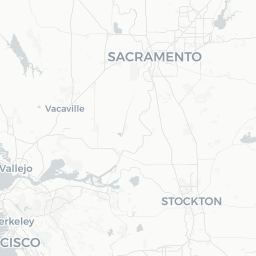
Santa Rosa is the largest city in California's Sonoma County and serves as the commercial and cultural hub of the North Bay wine country region. Situated roughly 55 miles north of San Francisco, it sits in the broad Santa Rosa Plain, flanked by the Mayacamas Mountains to the east and the Sonoma Coast to the west.
The city is perhaps best known internationally as the hometown of Charles M. Schulz, the creator of the Peanuts comic strip, and it honors that legacy with a dedicated museum and arena bearing his name. Beyond that cultural anchor, visitors use Santa Rosa as a practical base for exploring world-class wineries in Sonoma Valley, the Russian River Valley, and the Dry Creek area.
Like much of Sonoma County, Santa Rosa experienced significant wildfire damage in 2017 (the Tubbs Fire). Recovery has been substantial, and the city's restaurant and hospitality scene has continued to evolve. Travelers will find a relatively compact downtown, a walkable Railroad Square historic district, and easy access to outdoor recreation ranging from redwood forests to coastal bluffs.
Before You Go
Visas and Entry
Entry requirements depend on your nationality. For general guidance, visit TravelerPulse's Visas section and check the official U.S. Customs and Border Protection website (cbp.gov) for current requirements.
Climate
Santa Rosa has a Mediterranean climate with warm, dry summers and mild, wet winters. Summer daytime temperatures typically range from the mid-60s to mid-80s°F (around 18–30°C). Morning fog is common, especially in late spring and early summer, and evenings cool quickly year-round. Pack layers regardless of season.
Health and Insurance
No vaccinations are required for domestic travelers; international visitors should ensure their routine vaccinations are current. Travel health insurance with medical coverage is strongly recommended for international visitors, as U.S. healthcare costs can be very high. Verify your coverage before traveling.
Money
Credit and debit cards are accepted almost universally. ATMs are widely available downtown and at major supermarkets. Tipping is standard in restaurants (typically 18–20%), taxis, and for hotel staff.
Getting There
By Air
The closest commercial airport is Charles M. Schulz–Sonoma County Airport (STS), located just north of downtown Santa Rosa. It operates regional flights connecting to several West Coast hubs; check current routes with airlines directly, as service varies seasonally. San Francisco International (SFO), Oakland International (OAK), and Mineta San José International (SJC) are larger alternatives, each roughly 1.5–2 hours away by car depending on traffic.
By Car
US-101 runs directly through Santa Rosa, making it straightforward to reach from San Francisco (approximately 55 miles south) or from the Oregon border via the northern stretch. From the Bay Area, expect 1–1.5 hours outside of peak commute hours; Highway 101 can be congested during morning and evening rush periods.
By Bus
Golden Gate Transit operates bus service between San Francisco and Santa Rosa. Sonoma County Transit connects Santa Rosa to communities throughout the county. Verify current schedules and fares on the respective agency websites before travel.
By Train
Direct Amtrak service does not currently reach Santa Rosa. The SMART (Sonoma–Marin Area Rail Transit) commuter train connects Santa Rosa's two stations (Downtown and Airport) southward to San Rafael, where connections to BART and Amtrak can be made. Verify current SMART schedules at sonomamarintrain.org.
Getting Around
Driving
A car is the most practical way to explore Santa Rosa and the surrounding wine country. Parking in the downtown core and Railroad Square area is generally available in public lots and on-street. If you plan to visit wineries, designate a non-drinking driver or use a tour service — DUI enforcement is strict.
Local Transit
Sonoma County Transit buses serve the city and county. The CityBus system operates within Santa Rosa. Routes and frequency are moderate; transit is most useful for trips between major corridors rather than door-to-door wine country touring.
Ride-Share and Taxis
Rideshare services (Uber, Lyft) operate in Santa Rosa and are a practical option for evenings out or airport transfers. Availability can be limited during large events or at off-peak hours.
Cycling
Santa Rosa has a growing network of bike paths, including portions of the Joe Rodota Trail, which connects to Sebastopol. Biking is feasible within the city and along certain greenway corridors, though wine country roads are best navigated by car or dedicated wine-tour cycling services.
Where to Stay
Accommodation in Santa Rosa ranges from major chain hotels clustered near the US-101 corridor to smaller boutique inns, especially in the Railroad Square vicinity. Vacation rental platforms list numerous options throughout the city and in surrounding neighborhoods, which can be practical for groups or longer stays.
During peak harvest season (roughly September–November) and summer weekends, demand for accommodation across Sonoma County is high and rates increase noticeably. Booking well in advance is advisable for those periods. Some travelers base themselves in Santa Rosa and day-trip to more expensive wine-country towns like Healdsburg or Sonoma, which can reduce accommodation costs.
Verify current availability, rates, and cancellation policies directly with properties or booking platforms, as these change frequently.
Things to See & Do
Charles M. Schulz Museum and Research Center
This museum on West Steele Lane is dedicated to the life and work of Peanuts creator Charles Schulz, who lived in Santa Rosa for decades. Exhibits include original strip artwork, an immersive recreation of his studio, and rotating thematic galleries. Admission fees and hours — verify on the official museum website (schulzmuseum.org) before visiting.
Railroad Square Historic District
Santa Rosa's oldest commercial neighborhood, centered around 4th Street west of US-101, features well-preserved late-19th- and early-20th-century stone and brick buildings housing antique shops, restaurants, and boutiques. It is a pleasant area for a walking tour.
Wine Tasting
Santa Rosa lies within or adjacent to several important AVAs (American Viticultural Areas), including the Russian River Valley, known for Pinot Noir and Chardonnay, and Chalk Hill. Dozens of tasting rooms are accessible within a short drive. Book appointments in advance, especially on weekends, as many smaller producers require reservations.
Howarth Park and Spring Lake Regional Park
These adjacent parks on the city's east side offer hiking, fishing, picnic areas, and a small amusement area at Howarth Park. Spring Lake is a popular spot for walking, birdwatching, and non-motorized boating. Entry and amenity fees — verify with Sonoma County Regional Parks.
Farmers Markets
Santa Rosa hosts several weekly farmers markets, including a long-running Wednesday market in the downtown area. These are good places to sample local produce, cheeses, olive oils, and prepared foods. Verify current locations and schedules locally.
Food & Drink
Santa Rosa has a well-developed farm-to-table dining culture fed by the agricultural richness of Sonoma County. Local restaurants frequently source ingredients from nearby farms, ranches, and the Pacific fishery. The range runs from casual taquerias and burger spots to ambitious wine-country cuisine.
The downtown core and Railroad Square have the highest concentration of restaurants and bars. The city also has a growing craft brewery scene, with several taprooms operating in and around the downtown area. Local wines are featured extensively on restaurant lists, and many establishments have knowledgeable staff who can guide pairings.
For groceries and prepared foods, the Oliver's Market chain is locally owned and emphasizes regional products. The farmers markets (see Things to Do) are another practical source for local provisions if you are self-catering.
Practical Information
Emergency Services
In any emergency, dial 911. For non-emergency police matters, contact the Santa Rosa Police Department through their non-emergency line — verify the current number via the city's official website (srcity.org).
Electricity
Standard US voltage is 120V / 60Hz with Type A and B plugs. International visitors may need a plug adapter; most modern electronics handle dual voltage automatically but check your device specifications.
Connectivity
Cell coverage from major US carriers is reliable throughout Santa Rosa. Free Wi-Fi is available in many cafes, the public library, and some parks. The Sonoma County Library has branches in Santa Rosa with free internet access.
Pharmacy and Medical
Chain pharmacies (CVS, Walgreens) are present in the city. For urgent care, several clinics operate in Santa Rosa; verify current locations and hours locally. The nearest full-service hospital — verify the appropriate facility for your needs via local sources or your insurance provider.
Safety
Santa Rosa is a generally safe mid-sized California city. As in any urban area, common-sense precautions apply: keep valuables out of sight in parked vehicles, be aware of your surroundings in less-trafficked areas at night, and lock accommodation.
Wildfire is a significant seasonal hazard in Sonoma County, most relevant from late summer through fall. Before and during visits in those months, monitor the California Department of Forestry and Fire Protection (CAL FIRE) and local air quality alerts. If air quality index (AQI) is elevated, limit outdoor exertion and carry an N95 mask. Know the evacuation route from wherever you are staying and follow any official instructions promptly.
Driving under the influence of alcohol is a serious concern in wine country and is strictly enforced. Plan ahead if wine tasting is on the itinerary.