Overview
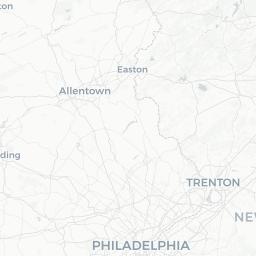
Pike Creek Valley is a small, unincorporated community in New Castle County, Delaware, situated in the rolling suburban landscape southwest of Wilmington. With a population of roughly 11,000, it functions primarily as a residential area rather than a conventional tourist destination, but it offers a calm, well-maintained environment with easy access to parks, shopping corridors, and the broader Wilmington metro area.
The community sits along the Pike Creek corridor, a natural watercourse that lends the area a modest green character. Its streets are lined with established neighborhoods that date largely from the mid-to-late twentieth century. Visitors typically arrive here to see family or friends, or use it as a quieter, less expensive base for day-tripping into Wilmington, the Brandywine Valley, or even Philadelphia.
Delaware as a state has no sales tax, which makes shopping across the region — including areas near Pike Creek Valley — consistently appealing for visitors from neighboring states.
Before You Go
Visas and Entry
Pike Creek Valley is in the United States. For visa and entry requirements, consult TravelerPulse's Visas section and the official U.S. Customs and Border Protection website. Requirements vary significantly by nationality.
What to Pack
- Layers are advisable year-round; winters can be cold and damp (December–February), and summers are warm and humid.
- Comfortable walking or trail shoes if you plan to use local parks.
- A car or access to a rideshare app is effectively essential — the area is suburban and not designed for pedestrian travel between attractions.
Health
No travel-specific health advisories apply to this area beyond standard U.S. precautions. Verify your health insurance coverage before travel; the U.S. does not provide universal healthcare to visitors.
Getting There
By Air
The closest major airport is Philadelphia International Airport (PHL) in Pennsylvania, roughly 25–35 miles northeast depending on traffic. Wilmington Airport (ILG) is a smaller regional option closer to the area and handles some domestic routes. Verify current routes and schedules directly with carriers.
By Car
Pike Creek Valley is accessible via Delaware Route 2 (Kirkwood Highway) and Delaware Route 4, which connect to I-95 and the broader Mid-Atlantic highway network. Driving is the most practical way to arrive and get around once here.
By Train
Amtrak serves Wilmington Station, which sits on the Northeast Corridor. From Wilmington, you would need a car or rideshare to reach Pike Creek Valley, as there is no direct rail link to the community itself.
Getting Around
A personal vehicle or rideshare app (Uber and Lyft both operate in the Wilmington metro area) is the most reliable way to get around Pike Creek Valley and the surrounding suburbs. The community is laid out for car travel, with most amenities — grocery stores, restaurants, parks — reached by short drives.
DARTA First State, Delaware's public transit authority, operates bus routes in New Castle County. Some routes serve the broader Pike Creek and Kirkwood Highway corridor, but service frequency and coverage are limited compared to urban centers. Check the DARTA website for current schedules before relying on buses.
Things to See & Do
Local Parks and Trails
Pike Creek Valley's primary outdoor asset is its proximity to the White Clay Creek State Park system and the trail networks that extend through northern Delaware. Lums Pond State Park, Delaware's largest freshwater pond, is within reasonable driving distance and offers boating, hiking, and picnicking. Verify park hours and any fee requirements with Delaware State Parks before visiting.
Brandywine Valley Day Trips
The Brandywine Valley — spanning Delaware and southeastern Pennsylvania — is home to Longwood Gardens, the Brandywine River Museum of Art (featuring Andrew Wyeth's work), and Winterthur Museum. These are among the most significant cultural attractions in the Mid-Atlantic and are reachable in under 30 minutes from Pike Creek Valley.
Wilmington
Downtown Wilmington, about 15 minutes north, has the Grand Opera House, the Delaware Art Museum, the Riverfront arts and dining district, and the Delaware History Museum. For visitors staying in Pike Creek Valley, Wilmington is the practical hub for evening entertainment, dining, and cultural institutions.
Food & Drink
The Kirkwood Highway corridor and surrounding retail areas near Pike Creek Valley have a range of casual dining options spanning American, Asian, Mexican, and Middle Eastern cuisines, reflecting the demographic diversity of the New Castle County suburbs. Chain restaurants are common along the main commercial strips.
For more distinctive dining, Wilmington's Little Italy neighborhood and the Trolley Square area have independent restaurants and bars that draw residents from across the county. The Riverfront district also has a cluster of dining options near the Christina River.
Delaware has no sales tax, so dining and retail purchases cost slightly less here than in neighboring Pennsylvania or Maryland — a minor but real practical benefit for visitors.
Practical Information
Emergency Services
For emergencies anywhere in the United States, dial 911. This connects to police, fire, and ambulance services.
Sales Tax
Delaware levies no state sales tax, which applies to purchases made in and around Pike Creek Valley.
Connectivity
Cellular coverage from major U.S. carriers (Verizon, AT&T, T-Mobile) is generally reliable throughout the area. Wi-Fi is available at most restaurants and cafés.
Banking
ATMs and bank branches are accessible along the main commercial corridors. Most businesses accept major credit and debit cards.
Tipping
Standard U.S. tipping norms apply: 18–20% at sit-down restaurants, a few dollars for delivery, and discretionary amounts for other services.
Safety
Pike Creek Valley is a low-crime suburban community by most measures. Standard urban-awareness precautions apply: secure valuables in your vehicle out of sight, be aware of your surroundings at night, and keep important documents safe.
Traffic along Kirkwood Highway and Route 4 can be heavy during morning and evening commute hours. Exercise caution at intersections and allow extra travel time during peak periods.