Overview
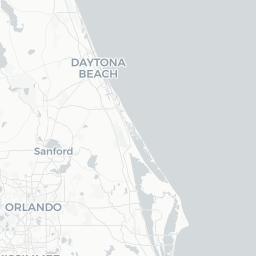
Daytona Beach Shores is a small, self-governing municipality tucked along a barrier island on Florida's northeast Atlantic coast, immediately south of the city of Daytona Beach. With a permanent population of roughly 4,400 residents, it functions primarily as a residential and vacation community rather than a major tourist hub in its own right.
The town stretches along a narrow strip of land between the Atlantic Ocean to the east and the Halifax River (part of the Intracoastal Waterway) to the west. This geography means nearly every part of the community is within a short walk or drive of both ocean-facing beaches and calm waterway views.
Travelers who choose Daytona Beach Shores over the city to the north generally value a quieter setting. The strip is lined with condominium towers and smaller motels oriented toward longer-stay vacationers and seasonal residents, rather than the bar scene and event-driven crowds that can characterize Daytona Beach proper. That said, all of Daytona Beach's major attractions — Daytona International Speedway, the Boardwalk, the Bandshell — are a short drive away.
Before You Go
Visas and Entry
Daytona Beach Shores is in the United States. Entry requirements vary significantly by nationality. Check TravelerPulse's Visas section for general guidance, and consult the U.S. Customs and Border Protection website (cbp.gov) or your nearest U.S. embassy or consulate for official requirements before booking.
When to Visit
- Spring (March–May): Pleasant temperatures, lower humidity than summer, and manageable crowds outside of spring break weeks in March.
- Summer (June–August): Hot and humid with frequent afternoon thunderstorms; peak family vacation season and higher accommodation rates.
- Fall (September–November): Temperatures ease, the Atlantic remains warm enough for swimming into October, and prices typically drop after Labor Day. Hurricane season runs June through November — monitor forecasts.
- Winter (December–February): Mild by northern standards (daytime highs often in the 60s °F / mid-teens °C) but cool for beach swimming. Popular with snowbirds seeking an escape from northern winters.
What to Pack
Sunscreen and reef-safe products are strongly recommended. Casual, lightweight clothing suits most of the year; bring a light jacket for winter evenings. If visiting during hurricane season, know your accommodation's severe-weather policy.
Getting There
By Air
Daytona Beach International Airport (DAB) is the closest commercial airport, located a few miles north of the community. It handles a limited number of routes, primarily domestic. Orlando International Airport (MCO), roughly 60 miles southwest, offers a much wider range of domestic and international flights and is a common arrival point for visitors to the area. Verify current carriers and routes directly with the airports, as service levels change.
By Car
Most visitors arrive by car. Interstate 95 and U.S. Highway 1 run along the mainland; A1A (Atlantic Avenue) is the primary north–south artery along the barrier island through Daytona Beach Shores itself. Driving is by far the most practical way to reach and navigate the community.
By Bus
Greyhound serves Daytona Beach with a station on the mainland. Volusia County's public bus system (Votran) connects parts of the county; verify current routes and schedules at votran.org, as service to the barrier island is limited.
By Train
Amtrak's Auto Train stops in Sanford (roughly 50 miles southwest) and the Silver Service/Palmetto trains stop in DeLand (about 30 miles west). Neither stop is particularly convenient without a car or rideshare connection.
Getting Around
A personal vehicle or rental car is the most practical way to get around Daytona Beach Shores and the surrounding area. Atlantic Avenue (A1A) runs the length of the community and connects directly to Daytona Beach to the north and smaller beach towns to the south.
Rideshare services (Uber and Lyft) operate in the area; availability may be lower late at night or during non-peak seasons compared to larger cities. Verify locally.
The beach itself is notable in that vehicles are permitted to drive on certain sections of the hard-packed sand — a longstanding local tradition — though designated areas, speed limits, and permit requirements apply. Check current rules with Volusia County before driving onto the beach, as regulations are subject to change.
Cycling along A1A is possible, though the road can be busy. Some visitors find bicycles or golf carts practical for short hops between accommodations, restaurants, and the beach.
Where to Stay
Accommodation in Daytona Beach Shores skews heavily toward oceanfront and ocean-view condominium rentals, many available through short-term rental platforms for stays of a few nights to several weeks. This makes it a popular choice for families or small groups who want a kitchen, laundry access, and more space than a standard hotel room provides.
There are also traditional motels and smaller hotel properties along A1A, generally positioned at a range of price points. Verify current availability, rates, and conditions directly with properties or booking platforms, as the inventory changes seasonally.
For those seeking full-service hotel amenities — concierge, on-site restaurants, fitness centers, spas — Daytona Beach's larger resort hotels just to the north typically offer more options. During major Daytona events (Daytona 500, Bike Week, Biketoberfest, Turkey Rod Run), accommodation across the entire area books up quickly and rates rise sharply; plan well in advance if your trip coincides with these events.
Things to See & Do
The Beach
The primary draw is the Atlantic Ocean beach — wide, flat, and relatively uncrowded compared to beaches in the adjacent city. Swimming, sunbathing, surf fishing, shelling, and watching sunrises over the water are the dominant activities. Lifeguard coverage varies by season and location; look for posted flags indicating water conditions.
Water Activities
The Halifax River on the western side of the barrier island offers calmer water suited to kayaking, paddleboarding, and fishing. Several outfitters in the broader Daytona Beach area rent equipment; verify what's currently available locally.
Daytona Beach Attractions (Short Drive North)
- Daytona International Speedway: Iconic NASCAR venue offering tours even outside race events. Verify tour schedules and ticket prices at daytonainternationalspeedway.com.
- Daytona Beach Boardwalk and Bandshell: Historic oceanfront area with an amusement park, arcade, and free outdoor concerts in season.
- Marine Science Center (Ponce Inlet): A short drive south, this center rehabilitates sea turtles and shorebirds and is open to the public. Confirm current hours and admission on their official site.
- Ponce de Leon Inlet Lighthouse: One of the tallest lighthouses in the United States, located just south of Daytona Beach Shores in Ponce Inlet. Offers historical exhibits and views from the top for those who climb. Verify hours and fees at ponceinlet.org.
Nature and Wildlife
Sea turtle nesting season runs roughly May through October. Volusia County has regulations protecting nesting sites; organized night walks to observe nesting activity are sometimes offered — verify with local nature organizations. Shorebird and dolphin sightings are common year-round.
Food & Drink
Daytona Beach Shores itself is a small community with a modest number of dining options along A1A, covering casual American fare, seafood, and pizza. Many visitors with condo accommodations cook some meals in-unit.
The broader Daytona Beach area — a short drive north — provides a much wider dining range, from casual beachside seafood shacks to chain restaurants and a growing number of locally owned spots. Ponce Inlet, just to the south, has a small cluster of waterfront seafood restaurants popular with both locals and visitors.
Fresh local seafood is a regional strength; look for grouper, shrimp, and mahi-mahi on menus. Florida craft beer has grown substantially in recent years, and several breweries operate within driving distance — verify current locations and hours locally.
Grocery stores for stocking a condo kitchen are located on the mainland, accessible via the bridges crossing the Halifax River; plan a mainland grocery run shortly after arrival.
Practical Information
Emergency Services
For any emergency in the United States, dial 911. This connects to police, fire, and emergency medical services.
Health
There are no unusual health risks specific to Daytona Beach Shores beyond standard sun safety and water awareness. Jellyfish and stingray encounters are possible in the surf; shuffle your feet when wading in shallow water to alert rays. Nearest hospital facilities are on the Daytona Beach mainland — verify the closest appropriate facility upon arrival.
Money
Credit and debit cards are accepted nearly everywhere. ATMs are available throughout the area. U.S. dollars are the only currency in circulation.
Connectivity
Mobile phone coverage (all major U.S. carriers) is reliable throughout the community. Most accommodations offer Wi-Fi; verify with your specific property.
Tipping
Tipping is customary in the United States. Restaurant servers typically receive 18–20% of the pre-tax bill; tip as appropriate for other service workers (bartenders, housekeeping, etc.).
Accessibility
Beach access boardwalks and beach wheelchairs are available at some access points in Volusia County. Contact Volusia County Beach Safety for current accessible access point locations, as these vary.
Safety
Daytona Beach Shores is a generally low-key residential and vacation community. Standard travel precautions apply: secure valuables in your accommodation rather than leaving them visible in a parked car, and be aware of your surroundings, particularly at night.
Ocean swimming carries inherent risks. Always swim near a lifeguard stand when available, pay attention to posted beach flag warnings (purple flags indicate dangerous marine life; red flags indicate high hazard/strong surf or currents), and do not swim alone.
Hurricane and tropical storm season (June–November) requires attention. Have a plan, know your accommodation's evacuation procedures, and monitor the National Hurricane Center (nhc.noaa.gov) during active weather periods.
During major Daytona events, particularly Bike Week and Biketoberfest, the broader area sees a dramatic increase in motorcycle traffic and associated activity; exercise additional caution on roads during these periods.