Overview
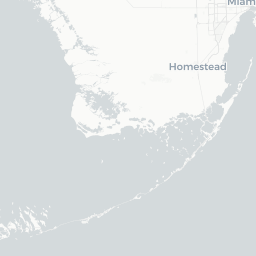
El Portal is a small, incorporated village in Miami-Dade County with a population of roughly 2,500 residents. Situated just north of Miami's urban core, it sits along the Little River and borders communities including Miami Shores and Biscayne Park. Despite its modest footprint, El Portal has its own elected village government and maintains a distinctly quiet, tree-lined character that contrasts with the busier corridors of greater Miami.
The village is primarily residential and is not a conventional tourist destination in its own right. Travelers who end up here are typically visiting friends or family, seeking affordable lodging near Miami, or passing through en route to attractions in the broader Miami-Dade area. Its proximity to Biscayne Bay, the Design District, and Little Haiti makes it a reasonable base for those who want a quieter environment close to the city's activity.
El Portal has a small but notable claim in the archaeological record: the Miami Circle site and broader evidence of the Tequesta people were discovered in the broader Little River and Biscayne Bay region, lending some historical weight to an otherwise understated area.
Before You Go
Visas and Entry
El Portal is located within the United States. Entry requirements depend on your nationality and travel history. For accurate, up-to-date visa information, check TravelerPulse's Visas section and the official U.S. Customs and Border Protection website.
Climate
El Portal has a tropical monsoon climate. Winters (November–April) are warm and dry, with daytime temperatures typically in the low-to-mid 70s°F (low-to-mid 20s°C). Summers are hot and humid, with frequent afternoon thunderstorms and temperatures regularly above 90°F (32°C). Hurricane season runs June through November; monitor forecasts if visiting during this period.
What to Pack
- Lightweight, breathable clothing year-round
- Rain jacket or compact umbrella, especially in summer
- Sunscreen and insect repellent
- The village is car-dependent; having access to a vehicle or rideshare app is strongly advised
Getting There
By Air
Miami International Airport (MIA) is the primary airport serving the area and is approximately 8–12 miles from El Portal depending on the route. Fort Lauderdale-Hollywood International Airport (FLL) is another option, roughly 25–30 miles to the north. Both airports have rental car desks, taxis, and rideshare services. Verify current transfer options and fares directly with providers on arrival.
By Car
El Portal is accessible via several major Miami-Dade roadways, including NE 2nd Avenue and Biscayne Boulevard (US-1). If arriving from Miami's downtown or airport, expect traffic delays during morning and evening rush hours. GPS navigation works reliably in this area.
By Public Transit
Miami-Dade Transit operates bus routes that pass through or near El Portal. The Metrorail does not have a station in El Portal itself; the closest stations are in the broader Miami system. Check the Miami-Dade Transit website for current routes and schedules before traveling.
Getting Around
El Portal is a very small village and is not walkable in the sense of a typical tourist destination — there is no commercial district to stroll. A personal vehicle or rideshare (Uber and Lyft both operate throughout Miami-Dade) is the practical way to get around.
Bicycling is possible on local streets, which are relatively low-traffic, but there are limited dedicated bike lanes. The broader Miami-Dade area has an expanding cycling infrastructure; verify current conditions via Miami-Dade County's transportation resources. For day trips into Miami proper, rideshare or driving to a Metrorail station and using the rail system can help avoid downtown parking headaches.
Things to See & Do
El Portal itself has very limited tourist infrastructure, but its location puts several worthwhile destinations within a short drive.
Nearby Natural Areas
- Little River — The river borders El Portal and offers a glimpse of Miami-Dade's remaining natural riparian environment. Access points vary; verify locally.
- Biscayne National Park — About 20–25 miles south, this largely underwater national park protects coral reefs and Biscayne Bay. Boat tours and snorkeling trips depart from Convoy Point; check the National Park Service website for current schedules and fees.
Cultural and Urban Attractions (Short Drive)
- Little Haiti Cultural Complex — A short drive south, this facility hosts events celebrating Haitian art and culture; verify programming on their official site.
- Miami Design District — Upscale design showrooms, galleries, and restaurants, roughly 10 minutes by car.
- Wynwood Walls — Miami's famous outdoor mural and street art destination, a similarly short drive away.
Visitors using El Portal as a base effectively have access to all of greater Miami's attractions without being in the thick of its most congested and expensive neighborhoods.
Food & Drink
El Portal has no significant restaurant or bar district of its own. Residents and visitors typically travel to neighboring communities for dining. The immediately surrounding area offers a range of options:
- Miami Shores (adjacent, just to the north) has a small walkable village center with cafés and casual restaurants.
- Little Haiti / Upper Eastside (just to the south) has a growing number of independent restaurants, Haitian eateries, and craft cocktail bars that have attracted attention in recent years.
- Biscayne Boulevard corridor runs near El Portal and has a mix of local diners, Latin American restaurants, and fast-casual options.
Grocery options exist in nearby commercial strips. As with all dining specifics, hours and operations change frequently — check Google Maps or Yelp for current information before heading out.
Practical Information
Emergency Services
In any emergency in El Portal, dial 911. El Portal is served by Miami-Dade County emergency services. The nearest hospitals are in the broader Miami area; verify the closest facility to your specific accommodation upon arrival.
Connectivity
Cellular coverage (all major US carriers) is reliable. Wi-Fi is available at most accommodations; public Wi-Fi is limited in this residential area.
Money
ATMs are available in nearby commercial areas. Credit and debit cards are accepted almost universally at businesses in the Miami-Dade area. Carry some cash for small local vendors or parking meters.
Postal and Services
El Portal has its own ZIP code within Miami-Dade. For postal, pharmacy, or banking needs, nearby commercial corridors on Biscayne Boulevard serve the village.
Safety
El Portal is a quiet residential village and is generally considered safe. Standard urban precautions apply: be aware of your surroundings, do not leave valuables visible in parked vehicles, and secure accommodation doors and windows.
As with all of South Florida, be weather-aware during hurricane season (June–November). Monitor the National Hurricane Center (nhc.noaa.gov) for storm tracking updates if visiting during this period. Heat and humidity in summer can pose genuine health risks; stay hydrated and limit prolonged outdoor activity during peak afternoon heat.