Overview
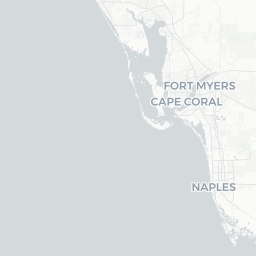
Fort Myers Beach occupies most of Estero Island, a narrow barrier island off the southwest coast of Florida in Lee County. The town is small — fewer than 7,000 permanent residents — but it draws a significant number of visitors year-round thanks to its broad, gently sloping Gulf beach, calm inshore waters, and relaxed, informal atmosphere that sets it apart from more developed Florida resort corridors.
The community was seriously affected by Hurricane Ian in September 2022, which caused widespread structural damage to the island. Recovery has been ongoing, and as of the mid-2020s many businesses, restaurants, and accommodations have rebuilt or reopened, though travelers should verify the current status of specific venues before visiting. The beach itself — the natural resource at the heart of the destination — remains accessible and in good condition.
Estero Boulevard is the main road running the length of the island, connecting the northern end near the Times Square area (the commercial and social hub) to the quieter southern residential stretches near Lovers Key. The island's compact size makes it easy to orient yourself quickly, and the pace of life here tends toward the unhurried.
Before You Go
Visas and Entry
Fort Myers Beach is in the United States. Entry requirements vary significantly depending on your nationality. Check the TravelerPulse Visas section for general guidance and consult the U.S. Customs and Border Protection website or the official immigration authority of the United States for current, authoritative requirements before traveling.
Hurricane Season
The Atlantic hurricane season runs June 1 through November 30, with peak activity typically in August and September. Given the island's experience with Hurricane Ian, it is worth monitoring forecasts carefully if you visit during this window and purchasing travel insurance that covers weather-related disruptions.
Post-Ian Recovery
Some hotels, restaurants, and attractions that existed before 2022 may have closed permanently or relocated. Others have reopened in rebuilt or renovated form. Before booking, confirm that your chosen accommodation and planned activities are currently operational — the official Lee County and Fort Myers Beach town websites are good starting points.
What to Pack
- Reef-safe sunscreen (standard Florida Gulf Coast advice)
- Light, breathable clothing year-round; a light layer for winter evenings
- Water shoes if you plan to wade in rocky or shelly areas
- Cash and cards — many smaller vendors and food stands prefer cash
Getting There
By Air
Southwest Florida International Airport (RSW) in Fort Myers is the primary gateway, located roughly 20–25 miles from Fort Myers Beach. It is served by major U.S. carriers and offers some international connections. Punta Gorda Airport (PGD) to the north is a secondary option served primarily by Allegiant Air. Tampa International Airport (TPA) is a larger hub approximately 90 miles north and is worth considering for broader flight options.
By Car
Most visitors arrive by car. From I-75, take Daniels Parkway or College Parkway west toward Summerlin Road, then cross the bridge onto Estero Island. Parking on the island can be limited, especially during peak season — arrive early or use any available public parking areas and verify current options locally.
By Ground Transportation
Rental cars are widely available at RSW. Rideshare services (Uber and Lyft) operate in the area. Lee County Transit (LeeTran) operates bus routes in the broader region; verify current island service on the LeeTran website, as post-Ian route adjustments may have occurred.
Getting Around
Fort Myers Beach is small enough that once you are on the island, a car is not always necessary if you are staying near the Times Square area. The island runs north to south along Estero Boulevard, and many accommodations, restaurants, and beach access points are walkable from one another in the northern section.
Bicycle rentals are available from local shops — verify current operators locally, as businesses have changed since 2022. The flat terrain makes cycling a practical way to move up and down the island. Water taxis and boat rentals operate from several marinas and docks, connecting the island to nearby areas including Lovers Key and the back-bay waterways.
For trips to Fort Myers proper, Cape Coral, or further afield, a rental car or rideshare is the most practical option. Parking along Estero Boulevard and at beach access points fills quickly on weekends and during peak season.
Where to Stay
Accommodation on Fort Myers Beach ranges from small motels and efficiency units to vacation rental condominiums and larger resort-style hotels. The vacation rental market (through platforms such as VRBO and Airbnb) is substantial and gives access to a wide range of properties with full kitchens and direct beach access — useful for families or longer stays.
Post-Ian, a number of hotel properties have been demolished, rebuilt, or renovated. New hotel developments are underway or recently completed along the island. When booking, read recent reviews carefully and confirm that the property is fully operational. Pricing is highly seasonal, with peak rates in winter (January through April) and significant discounts in summer and early fall.
The Times Square area at the north end offers the most walkable location with beach, dining, and activity access. The southern end of the island near Lovers Key is quieter and more residential, preferred by those seeking a less social atmosphere.
Things to See & Do
Beach and Water
The Gulf beach running along the western edge of Estero Island is the central attraction. The water is typically calm and shallow for some distance from shore, making it suitable for families and novice swimmers. Shell collecting is popular, particularly in the early morning at lower tide. Dolphins and manatees are occasionally spotted in the nearshore and bay waters.
Boating, kayaking, paddleboarding, parasailing, and jet skiing are all available through local rental and tour operators — verify current operators and pricing locally. Fishing is a serious pursuit here, with options ranging from pier fishing to offshore charters.
Lovers Key State Park
Located at the southern end of Estero Island and accessible via the island road, Lovers Key State Park encompasses several small islands with beach access, kayak trails, and wildlife viewing. The park charges an entrance fee; verify the current fee and hours on the Florida State Parks website before visiting.
Times Square
The northern end of the island around the Matanzas Pass area has historically been the social center of Fort Myers Beach, with restaurants, bars, shops, and live music venues clustered near the fishing pier. This area was heavily impacted by Hurricane Ian; check current operating businesses before visiting.
Fort Myers Beach Pier
The fishing pier at the north end of the beach is a local landmark and a good spot for fishing or simply watching the Gulf. Verify its current operational status, as pier infrastructure sustained storm damage.
Food & Drink
Fort Myers Beach has a strong tradition of casual, seafood-focused dining — grouper sandwiches, shrimp baskets, and fish tacos are staples across the island. Waterfront dining with views of Matanzas Pass or the Gulf is common. Given the post-Ian rebuilding period, the restaurant landscape has shifted considerably; some long-standing establishments have returned while others have not.
The drinking culture skews casual and beach-oriented: open-air bars, tiki huts, and waterfront spots with frozen drinks are characteristic. Live music at bars and restaurants is common, particularly on weekends and during the busy winter and spring seasons.
For grocery shopping and self-catering, the nearest major supermarkets are in Fort Myers proper. There are convenience stores on the island, but selection is limited. Visitors in vacation rentals typically make a mainland grocery run on arrival.
Practical Information
Emergency Services
In any emergency in the United States, call 911 for police, fire, or medical assistance.
Health
Florida has no unusual health requirements for domestic or international visitors beyond standard travel precautions. Sunburn and heat-related illness are genuine risks in summer — stay hydrated and use sun protection. Red tide (a natural algal bloom) occasionally affects Gulf Coast beaches and can cause respiratory irritation and fish kills; check current red tide conditions through the Florida Fish and Wildlife Conservation Commission before extended beach time.
Connectivity
Mobile coverage is generally good on the island. Wi-Fi is widely available at accommodations and many restaurants.
Money
ATMs are available on the island, though selection is limited. Cards are accepted at most established businesses. Some smaller food stands and beach vendors are cash-only.
Tipping
Standard U.S. tipping norms apply: 18–20% at sit-down restaurants, a few dollars for bar service, and similar amounts for tour operators and water sport staff.
Safety
Fort Myers Beach is generally a safe destination. The primary safety considerations are environmental rather than social: rip currents in the Gulf, sun exposure, and summer heat are the most common hazards. Follow any posted beach flag warnings — the Florida beach flag system uses color-coded flags to indicate water conditions, including rip current risk.
Hurricane preparedness is important if visiting between June and November. Know your accommodation's evacuation plan and monitor the National Hurricane Center (nhc.noaa.gov) during active weather periods. Flood risk is an inherent feature of barrier island geography.
Vehicle break-ins at beach parking areas are not unheard of — do not leave valuables visible in parked cars. As with any tourist destination, be aware of your surroundings in crowded areas, particularly late at night in and around the bar and entertainment district.