Overview
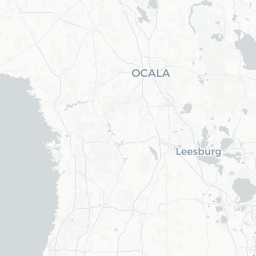
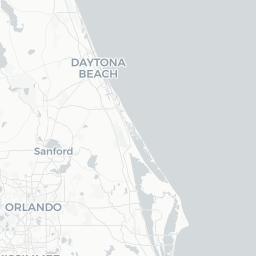
Hawthorne is a small rural city in Alachua County, Florida, with a population of roughly 1,500 people. Situated about 15 miles southeast of Gainesville, it occupies a quiet stretch of North Central Florida where flat pine forests and wetlands define the landscape. The town has a modest historic downtown and a character that reflects its agricultural roots.
Most visitors arrive because of the outdoor recreation that surrounds the city rather than urban amenities. The eastern terminus of the Gainesville-Hawthorne State Trail sits here, drawing cyclists and hikers from across the region. Nearby lakes — including Lake Santa Fe and Orange Lake — attract anglers and paddlers. Hawthorne rewards travelers who value unhurried, nature-focused experiences over resort-style tourism.
Before You Go
Visas and Entry
Hawthorne is a destination within the United States. Entry requirements depend on your nationality and travel history. For accurate, up-to-date visa information, visit TravelerPulse's Visas section and check the official U.S. Customs and Border Protection website.
What to Pack
- Insect repellent is essential year-round; mosquitoes and biting flies are common near wetlands and trail corridors.
- Sun protection (hat, sunscreen) is important even in cooler months, as trail sections are exposed.
- Bring sufficient cash. Hawthorne has limited banking infrastructure and some local businesses may not accept cards — verify locally.
- If cycling the trail, bring water and snacks; services along the route are sparse.
Health Notes
No vaccinations are required to visit Florida. Heat and humidity from May through September can be intense. Stay hydrated and plan outdoor activities for early morning or late afternoon during summer months.
Getting There
By Air
The nearest commercial airport is Gainesville Regional Airport (GNV), approximately 20 miles northwest of Hawthorne. Jacksonville International Airport (JAX) and Orlando International Airport (MCO) are larger alternatives with more flight options, though both are roughly 1.5–2 hours away by road.
By Car
Driving is the most practical way to reach Hawthorne. The city is accessible via US-301, which runs north–south through town, and SR-20, which connects westward toward Gainesville. Most visitors will find a personal vehicle or rental car essential for getting around.
By Bus
Verify locally whether regional bus services connect Gainesville to Hawthorne, as schedules and routes can change. No intercity rail service serves Hawthorne directly.
Getting Around
Hawthorne is a small city best navigated on foot or by bicycle within the downtown and trail areas. A personal vehicle is strongly recommended for reaching outlying lakes, natural areas, and any services beyond the immediate town center.
Rideshare services such as Uber and Lyft may operate in the area but availability can be limited and unpredictable — verify the app before relying on them. There is no local public transit system within Hawthorne itself.
Things to See & Do
Gainesville-Hawthorne State Trail
This 17-mile multi-use trail connects Hawthorne westward to Boulware Springs Park on the edge of Gainesville, passing through pine flatwoods and alongside Paynes Prairie Preserve State Park. It is open to cyclists, hikers, and equestrians. The trail is paved for much of its length and is managed by Florida State Parks. Verify current trail conditions and any closures at the Florida State Parks website before visiting.
Paynes Prairie Preserve State Park
Although the main entrance is closer to Micanopy, the trail corridor through Paynes Prairie is accessible from Hawthorne. The preserve is one of Florida's most ecologically significant landscapes, home to wild horses, bison, sandhill cranes, and alligators. Hiking, birdwatching, and wildlife observation are the primary draws.
Fishing and Paddling
Orange Lake and Lake Santa Fe are both within a short drive and offer fishing for largemouth bass and other species. Boat ramps and local fishing access points exist at several locations — verify current access conditions locally, as water levels and site availability can vary.
Historic Downtown
Hawthorne's small downtown along US-301 preserves a handful of older commercial buildings that reflect the town's early-twentieth-century agricultural economy. It is a modest but authentic slice of rural North Florida history worth a short stroll.
Food & Drink
Dining options in Hawthorne are limited by the town's small size. A small number of local eateries and convenience stores serve the community — verify what is currently open before planning meals around a specific establishment, as businesses in small rural towns can change frequently.
Visitors planning a full day of trail cycling or nature exploration are advised to bring food and drinks from Gainesville before heading out. The city of Gainesville, 15–20 miles to the northwest, has a wide range of restaurants, cafes, and grocery stores to suit most preferences and budgets.
Practical Information
Emergency Services
For any emergency in the United States, dial 911. Alachua County Sheriff's Office serves law enforcement in the Hawthorne area. The nearest hospital with emergency services is in Gainesville — verify the specific facility with local sources.
Connectivity
Cell coverage in Hawthorne and along the trail corridor may be inconsistent depending on your carrier. Download offline maps before your visit.
Accessibility
The paved section of the Gainesville-Hawthorne State Trail is generally accessible for cyclists and users of mobility devices, though some trail sections involve unpaved or variable terrain. Verify specific accessibility features with Florida State Parks.
Opening Hours and Fees
State trail and park access fees and hours: verify at the Florida State Parks official website (floridastateparks.org) before visiting, as these are subject to change.
Safety
Hawthorne is a quiet rural community and serious safety concerns for visitors are uncommon. Standard travel precautions apply: secure valuables in your vehicle, let someone know your plans when heading out on remote trails, and carry sufficient water and a charged phone.
Wildlife awareness is relevant here. Alligators are present in and around area lakes and wetland edges — maintain a safe distance and never feed them. During warmer months, watch for snakes on and near trails. Lightning is a significant hazard during Florida's afternoon thunderstorm season (roughly June through September); leave open trail areas if storms approach.