Translate

Overview
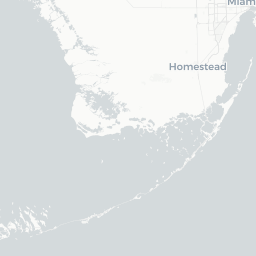
Key Biscayne is a small barrier island village of roughly 13,000 residents situated just southeast of downtown Miami, connected to the mainland by the Rickenbacker Causeway. Despite sitting minutes from one of the largest cities in the United States, it retains a noticeably unhurried character: low-rise buildings, wide bike paths, and long stretches of Atlantic-facing beach define the landscape.
The island is bookended by two parks. Crandon Park occupies the northern and central portions, offering a family-friendly beach, a marina, and a tennis complex that has historically hosted ATP and WTA professional tournaments. The southern tip is given over almost entirely to Bill Baggs Cape Florida State Park, home to the Cape Florida Lighthouse — the oldest standing structure in Miami-Dade County, dating to 1825.
Key Biscayne is genuinely small. The commercial village center along Crandon Boulevard holds a modest collection of restaurants, cafés, and shops. Travelers who arrive expecting Miami's energy will find something quite different: a place better suited to cycling, paddleboarding, and long afternoon walks than nightlife or major urban attractions.
Before You Go
Visas
Key Biscayne is in the United States. Entry requirements depend on your nationality and purpose of travel. Check the TravelerPulse Visas section and the official U.S. Customs and Border Protection website for current requirements before booking.
Weather
South Florida has two dominant seasons. The dry season runs roughly November through April with pleasant temperatures and low humidity — ideal for outdoor activity. The wet season (May through October) brings afternoon thunderstorms, high humidity, and the possibility of tropical storms or hurricanes. If visiting between June and November, monitor the National Hurricane Center for any active storm systems.
What to bring
- Reef-safe sunscreen (Florida law and environmental awareness both favor it near coral areas)
- Insect repellent, especially if spending time in the parks at dusk
- Cash for parking and small vendors; many park facilities also accept cards — verify locally
- A bike lock if you plan to rent a bicycle and explore independently
Getting There
By air
Miami International Airport (MIA) is the primary gateway, roughly 20–30 minutes from Key Biscayne by car depending on traffic. Fort Lauderdale-Hollywood International Airport (FLL) is a secondary option, about 45–60 minutes away. Neither airport has a direct transit connection to Key Biscayne; a rental car, rideshare, or taxi is the practical choice from either airport.
By car
Key Biscayne is reached exclusively via the Rickenbacker Causeway from the mainland (SW 26th Road in Miami). A toll is charged in one direction — verify the current amount and payment methods with Miami-Dade County before travel, as cashless tolling systems may apply.
By rideshare or taxi
Rideshare services such as Uber and Lyft operate throughout the Miami metro area and serve Key Biscayne reliably, though surge pricing can apply during peak beach days and weekends.
Getting Around
Key Biscayne is compact enough that a bicycle is often the most practical and enjoyable way to get around. A dedicated multi-use path runs along much of Crandon Boulevard, and both parks have interior paths suitable for cycling. Several rental outlets on the island offer bikes by the hour or day — verify current operators and rates locally, as these change.
Walking is feasible within specific areas, particularly the village center and the beaches themselves. However, distances between the two main parks and the village are longer than they appear on a map, so a bike or car is advisable if you plan to visit both parks and the village in one day.
Parking is available at Crandon Park and Bill Baggs Cape Florida State Park. Both are popular on weekends and holidays; arrive early to secure a spot. Fees apply — check the Miami-Dade County Parks website and Florida State Parks site for current rates.
Where to Stay
Accommodation on Key Biscayne is limited. The island has historically had one major resort property — the Ritz-Carlton Key Biscayne — which offers beachfront access and resort amenities. Verify current availability, rates, and operational status directly with the property before booking.
Short-term vacation rentals (through platforms such as Airbnb and Vrbo) represent the other main option, as much of the island's housing stock is residential condominiums and single-family homes, a portion of which enter the short-term rental market. Check local regulations regarding short-term rentals, as Miami-Dade County rules apply.
Many visitors choose to stay in Miami — particularly in Brickell, Coconut Grove, or South Beach — and visit Key Biscayne as a day trip. This significantly broadens lodging options and price ranges.
Things to See & Do
Bill Baggs Cape Florida State Park
This 494-acre park at the island's southern tip is the single most compelling reason to visit Key Biscayne. The beach here is consistently rated among the best in Florida — wide, relatively uncrowded on weekdays, and backed by native coastal scrub rather than development. The Cape Florida Lighthouse (1825) offers guided tours on certain days of the week; verify the current schedule and fee with Florida State Parks before visiting. A small café operates within the park — confirm hours locally.
Crandon Park
The northern park encompasses a long Atlantic beach, a marina, a nature center, and the Crandon Park Tennis Center. The beach is calmer and shallower in places, making it popular with families. The park's lagoon area provides a more protected swimming option.
Water sports
The waters around Key Biscayne are well-suited to kayaking, paddleboarding, windsurfing, and kiteboarding. Rentals and instruction are available at the marina and through various operators — verify current providers and rates locally. The offshore waters are part of Biscayne National Park's greater ecosystem, and snorkeling and diving trips can be arranged through outfitters in the area.
Cycling
Renting a bike and riding the length of the island — from Crandon Park through the village to Bill Baggs — is a genuinely enjoyable few hours and one of the best ways to experience Key Biscayne at an unhurried pace.
Virginia Key
Just across the Rickenbacker Causeway before reaching Key Biscayne proper, Virginia Key offers additional parkland, a historic beach with an important civil rights history as a formerly designated beach for Black Floridians during segregation, and the Miami Marine Stadium (a mid-century structure currently under discussion for preservation).
Food & Drink
Key Biscayne's dining scene is modest in size but reasonably varied for an island of this scale. The village center along Crandon Boulevard and Harbor Drive holds the majority of options, ranging from casual breakfast spots and pizza places to a handful of sit-down restaurants with Latin American and seafood influences.
Expect prices to reflect the island's affluent residential character — budget options exist but are limited. Grabbing groceries or prepared food from one of the small supermarkets on the island is a practical strategy for beach picnics.
For a broader dining selection, Miami's Brickell and Coconut Grove neighborhoods are a short drive across the causeway and offer considerably more variety. Verify any specific restaurant's hours and current status before visiting, as small establishments on the island do change.
Practical Information
Emergency contacts
In any emergency in the United States, dial 911. For non-emergency police matters, contact the Village of Key Biscayne Police Department — verify the non-emergency number on the village's official website (keybiscayne.fl.gov).
Connectivity
Mobile coverage from major U.S. carriers (Verizon, AT&T, T-Mobile) is generally reliable across the island. Most cafés and some park facilities offer Wi-Fi — verify locally.
Accessibility
Crandon Park and Bill Baggs Cape Florida State Park both have paved paths and accessible beach mat systems in some areas, but conditions vary. Contact the respective parks directly to confirm current accessible facilities before visiting.
Useful links
- Village of Key Biscayne: keybiscayne.fl.gov
- Bill Baggs Cape Florida State Park: floridastateparks.org
- Miami-Dade County Parks (Crandon): miamidade.gov/parks
- National Hurricane Center (seasonal monitoring): nhc.noaa.gov
Safety
Key Biscayne is a low-crime residential community and is generally considered very safe for visitors. Standard urban travel precautions apply: do not leave valuables visible in parked cars, and be aware of your surroundings in parking areas.
Ocean swimming carries the usual Florida coastal hazards. Rip currents can occur; always swim near a lifeguarded area when possible and observe posted flag warnings. Jellyfish wash ashore periodically, particularly in summer months. Wildlife in the parks includes raccoons, iguanas (an invasive but ubiquitous presence), and birds — do not feed any wildlife.
Heat and sun exposure are serious risks, particularly between May and September. Stay hydrated, apply sunscreen frequently, and seek shade during the midday hours.