Overview
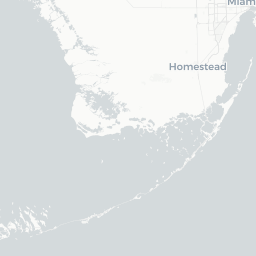
West Hollywood, Florida is a small unincorporated or census-designated community in Broward County, situated between the city of Hollywood to the east and Pembroke Pines to the west. With a population of roughly 60,000, it functions primarily as a residential suburb rather than a standalone tourist destination.
Most travelers pass through or stay in West Hollywood as an affordable base for exploring the broader Greater Fort Lauderdale area. The city of Hollywood, FL — known for its wide Broadwalk, beachfront, and Young Circle arts district — is just minutes away, and Fort Lauderdale is a short drive to the north. Miami lies approximately 25 miles to the south.
Because West Hollywood itself lacks major tourist infrastructure (large hotel districts, heritage sites, or dedicated attractions), visitors should plan to use it as a quiet, suburban home base while day-tripping into surrounding communities. Local amenities — grocery stores, strip-mall dining, parks — serve everyday needs well.
Before You Go
Visas
Entry requirements for the United States vary by nationality. Check TravelerPulse's Visas section and the U.S. Customs and Border Protection website (cbp.gov) for current requirements before booking.
Climate
West Hollywood sits in South Florida's humid subtropical zone. Winters (November–April) are warm and relatively dry, with daytime highs typically in the 70s°F (low-to-mid 20s°C). Summers are hot and humid, with frequent afternoon thunderstorms and the possibility of tropical weather events. Hurricane season officially runs June 1 through November 30.
What to Pack
- Lightweight, breathable clothing year-round
- Rain jacket or compact umbrella, especially May–October
- Reef-safe sunscreen (you will likely spend time at nearby beaches)
- Mosquito repellent for outdoor evening activities in summer
Getting There
By Air
Fort Lauderdale-Hollywood International Airport (FLL) is the most convenient airport, located roughly 5–8 miles northeast of West Hollywood. Miami International Airport (MIA) is approximately 25–30 miles south and serves more international routes. Both airports are well-connected by major carriers and low-cost airlines.
By Road
Interstate 95 and the Florida Turnpike run close to West Hollywood, making it straightforward to reach by rental car or rideshare from elsewhere in South Florida. Many visitors arriving at FLL use rideshare apps or car rentals rather than public transit.
By Rail
Tri-Rail commuter rail connects Miami, Broward County, and Palm Beach County. The Hollywood Tri-Rail station is the nearest stop; verify the current schedule and fares at tri-rail.com.
Getting Around
West Hollywood and the surrounding communities are best navigated by personal vehicle or rideshare. The area is car-oriented, with most points of interest spread across strip malls, residential streets, and commercial corridors.
Broward County Transit (BCT) operates bus routes in the area; check bct.broward.org for current routes and schedules. Cycling infrastructure is limited within West Hollywood itself, though the famous Hollywood Broadwalk nearby is a popular cycling and walking path along the beach.
Rideshare apps (Uber, Lyft) are widely available and practical for short trips to Hollywood Beach, Fort Lauderdale, or FLL.
Things to See & Do
West Hollywood itself has limited dedicated attractions, but its location puts several worthwhile destinations within easy reach.
Nearby in Hollywood, FL
- Hollywood Beach Broadwalk — A 2.5-mile paved promenade along the Atlantic, popular for walking, cycling, and people-watching
- Young Circle (ArtsPark) — A circular park in downtown Hollywood with public art, a bandshell, and community events
- Anne Kolb Nature Center — A nature center within West Lake Park offering kayak rentals and boardwalk trails through mangroves; verify hours and fees locally
Day Trips
- Fort Lauderdale — Las Olas Boulevard, the Museum of Discovery and Science, and the Riverwalk arts district are all under 30 minutes away
- Everglades National Park — Reachable in roughly an hour; airboat tours depart from several operators near the park entrance
- Miami — South Beach, Wynwood, and Little Havana are all accessible in 30–45 minutes by car
Food & Drink
Dining in West Hollywood leans toward casual, everyday options: Latin American bakeries, Caribbean takeout, family-owned diners, and national chain restaurants along major commercial strips. The community reflects Broward County's demographic diversity, so Cuban, Haitian, Colombian, and Jamaican food options appear regularly.
For a wider dining scene with waterfront options, the city of Hollywood's downtown and beach areas are just a short drive away. Fort Lauderdale's Las Olas Boulevard offers a more upscale restaurant corridor.
Alcohol is widely available at restaurants and grocery stores in Florida. The legal drinking age is 21; valid ID is required.
Practical Information
Emergency Services
Dial 911 for police, fire, or medical emergencies anywhere in the United States.
Health
No vaccinations are specifically required for travel within the United States. Travelers without U.S. health insurance should secure travel health insurance before arrival; medical costs in the U.S. can be high. Pharmacies (CVS, Walgreens) are readily accessible in the area.
Connectivity
Cell coverage is strong throughout Broward County. Free Wi-Fi is available at many cafés, libraries, and shopping centers. The Broward County Public Library system has branches that offer free internet access.
Tipping
Tipping is standard in the U.S.: 18–20% at sit-down restaurants, $1–2 per drink at bars, and a few dollars per night for hotel housekeeping are typical expectations. Rideshare apps prompt for tips digitally.
Safety
West Hollywood is primarily a residential suburban community. As with any urban area, standard precautions apply: be aware of your surroundings, avoid leaving valuables visible in parked vehicles, and secure accommodation in well-reviewed properties.
South Florida's summer weather poses real risks. Heat exhaustion and dehydration are genuine hazards for those spending time outdoors; carry water and seek shade during peak afternoon hours. Follow local news and official guidance during tropical weather events. The National Hurricane Center (nhc.noaa.gov) is the authoritative source for storm tracking.
For non-emergency police matters, contact the Broward County Sheriff's Office, which serves unincorporated parts of Broward County. Verify the correct non-emergency contact number locally or on the BSO's official website (sheriff.org).