Overview
Fort Gaines is a small county seat in Clay County, southwestern Georgia, sitting on a bluff above the Chattahoochee River roughly where Georgia, Alabama, and the Florida Panhandle converge. With a population of just over 1,100, it is one of Georgia's quieter rural towns, yet it carries a history that stretches back to the Creek Nation territory and the early American frontier era.
The town takes its name from a federal fort established in the early nineteenth century as part of a chain of military posts along the Chattahoochee. That heritage is still tangible in the restored stockade and several antebellum structures around the courthouse square. Visitors who enjoy slow-travel, Southern history, and river-based outdoor recreation will find Fort Gaines disproportionately rewarding for its size.
Because Clay County is one of Georgia's least densely populated counties, the landscape around Fort Gaines remains largely undeveloped — a quality that appeals to birders, anglers, and anyone seeking genuine quiet away from metro crowds.
Before You Go
Visas
For entry requirements into the United States, check the TravelerPulse Visas section and consult the U.S. Customs and Border Protection website or your nearest U.S. embassy or consulate. Requirements vary significantly by nationality.
What to Pack
- Summers (June–August) are hot and humid; lightweight, breathable clothing and insect repellent are essential.
- Winters are mild but can dip near freezing; a light jacket usually suffices.
- Bring sunscreen and sturdy walking shoes if you plan to explore the state park trails or river bluffs.
- Cell coverage can be patchy in rural Clay County; download offline maps before arrival.
Practical Heads-Up
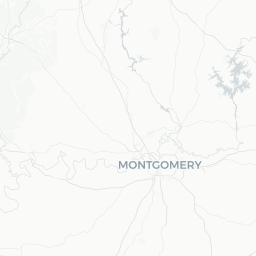
Fort Gaines has very limited commercial infrastructure — no large grocery chains, few lodging options, and a small handful of restaurants. Stock up on supplies in Eufaula, Alabama (about 28 miles north) or Dothan, Alabama (about 60 miles southwest) if you plan an extended stay. Verify current business hours locally before relying on any specific establishment.
Getting There
Fort Gaines has no commercial air or rail service. The most practical approach is by car.
By Car
- From Columbus, Georgia: approximately 65 miles south via US-431 and GA-39, roughly 1.25 hours.
- From Dothan, Alabama: approximately 60 miles via US-431 and AL-95, roughly 1 hour.
- From Atlanta: approximately 175 miles via I-85 South and US-431, roughly 3 hours.
- The nearest commercial airports are Dothan Regional Airport (DHN) in Alabama and Columbus Airport (CSG) in Georgia; verify current airline service at those airports before booking.
Road conditions in rural Clay County are generally good on paved routes, but some recreation area access roads may be unpaved. A standard passenger vehicle is adequate for most visits.
Getting Around
A personal vehicle is effectively required for getting around Fort Gaines and the surrounding area. There is no local public transit, ride-share coverage is unreliable in this rural setting, and distances between points of interest — particularly George T. Bagby State Park — make walking between them impractical.
The town center around the courthouse square is compact and walkable once you have parked. The historic stockade and several antebellum buildings are within a short walk of each other downtown. Confirm fuel availability before arriving, as options are limited.
Where to Stay
Accommodation directly in Fort Gaines is minimal. The primary lodging option in the immediate area is the lodge and cabins at George T. Bagby State Park, which sits on the lakeshore a short drive from town. State park accommodations in Georgia can book up, particularly on summer weekends and during fishing tournaments; reserve through the Georgia State Parks reservation system well in advance.
Eufaula, Alabama provides the nearest concentration of chain motels and hotels and is a reasonable base for day trips into Fort Gaines. Dothan, Alabama offers a fuller range of accommodation types if you prefer a larger hub. Verify current availability and pricing directly with properties or booking platforms.
Things to See & Do
Fort Gaines Frontier Village / Old Fort
A reconstructed log stockade near the downtown bluff marks the site of the original nineteenth-century military post. Interpretive signage covers the fort's role in Creek War-era Georgia and its later history as a river crossing town. Verify current access and any seasonal hours with Clay County locally.
George T. Bagby State Park and Lodge
Situated a few miles north of town on Walter F. George Lake (Lake Eufaula), this state park is the area's primary outdoor destination. It offers a marina, boat launch, fishing, hiking trails, a golf course, and cabin accommodations. The 45,000-acre reservoir — one of the largest in the Southeast — is well regarded for largemouth bass fishing. Check the Georgia Department of Natural Resources website for current fees, hours, and cabin availability before visiting.
Walter F. George Lock and Dam
The dam that created Lake Eufaula sits near Fort Gaines and can be observed from public viewing areas. It is operated by the U.S. Army Corps of Engineers; verify any public access arrangements locally or through the Corps' mobile district.
Historic Courthouse Square
Clay County's courthouse and a cluster of nineteenth- and early-twentieth-century commercial buildings give the small downtown a quiet, authentic character. A self-guided walk is feasible in under an hour.
Birding and Wildlife
The Chattahoochee River corridor and adjacent bottomland forests attract a variety of migratory and resident bird species. Spring and fall migrations can be productive for birders; bring binoculars.
Food & Drink
Dining options in Fort Gaines are very limited. The town has a small number of locally owned establishments; availability and hours change frequently in small rural communities, so verify options on arrival or by calling ahead.
For a broader choice of restaurants, Eufaula, Alabama — about 28 miles north — offers more dining variety including chain restaurants and locally owned spots along its historic main street. If you are self-catering, plan grocery shopping before arriving in Fort Gaines.
Georgia is a legal alcohol state, but Clay County's specific local ordinances on alcohol sales should be confirmed locally if relevant to your plans.
Practical Information
Emergency Services
In a medical emergency in the United States, call 911. The nearest hospital with full emergency services is not within Fort Gaines itself; verify the closest facility with Clay County authorities or Georgia 211 before your trip.
Connectivity
Cell service is inconsistent throughout rural Clay County. Wi-Fi may be available at the state park lodge. Download maps, reservations, and any documents you may need before leaving a reliable connection.
Money
ATM access in Fort Gaines is limited. Carry sufficient cash, as some small local businesses may not accept card payments. Verify locally.
Weather Awareness
Southwestern Georgia sits in a region susceptible to severe thunderstorms, particularly in spring and summer. Check the National Weather Service forecast (weather.gov) before outdoor activities.
Safety
Fort Gaines is a quiet rural community and visitors generally report no particular safety concerns beyond normal travel awareness. Road safety deserves attention: rural highways in this region can involve high speeds, wildlife crossings, and limited lighting at night — drive carefully, especially after dark.
Outdoor visitors should be mindful of venomous snakes (cottonmouths and copperheads are present in riverside and wooded habitats), fire ants, and ticks. Stick to trails, wear appropriate footwear, and check yourself for ticks after time in vegetation. In summer, heat and humidity can be significant; stay hydrated and limit strenuous activity during the hottest midday hours.