Overview
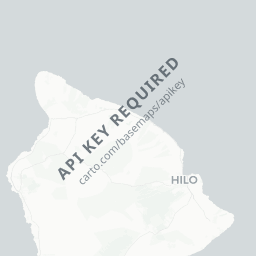
Kealakekua is a small, unincorporated community on the western slope of Mauna Loa in South Kona, on the Big Island of Hawaiʻi. With a population of roughly 2,000, it sits along Highway 11 at an elevation that keeps it noticeably cooler and greener than the coast below — classic Kona coffee-growing terrain.
The name Kealakekua translates loosely from Hawaiian as "the pathway of the god," a reference to its deep significance in Native Hawaiian history. The bay of the same name, a short drive downhill, is one of the most historically important sites in all of Hawaiʻi: it is where British explorer Captain James Cook met his death in 1779 during a confrontation with local Hawaiians.
Today the community itself is a quiet, functional town with a scattering of shops, local eateries, and the kind of unhurried pace that characterizes rural Kona. Most visitors pass through on their way to the bay or to nearby coffee farms, but those who slow down find a genuinely local side of the Big Island largely untouched by resort development.
Before You Go
Kealakekua is on the Big Island of Hawaiʻi, which is served by Ellison Onizuka Kona International Airport (KOA) and Hilo International Airport (ITO). Kona is the more convenient gateway for this area.
Visas
Kealakekua is in the United States. Entry requirements depend entirely on your nationality and travel history. Check TravelerPulse's Visas section and consult the official U.S. Customs and Border Protection website or your nearest U.S. embassy or consulate for current requirements before booking.
What to Pack
- Reef-safe, mineral-based sunscreen (chemical sunscreens are banned in Hawaii state waters to protect coral)
- Snorkel gear (rentable locally, but bringing your own saves cost and time)
- Water shoes or reef shoes for rocky shoreline entry at the bay
- A light layer — Kealakekua town sits at moderate elevation and evenings can be cool
- Cash for small farms and roadside stands, which may not accept cards
Getting There
The nearest major airport is Ellison Onizuka Kona International Airport (KOA), located roughly 12–15 miles north of Kealakekua. Rental cars are available at the airport and are by far the most practical way to reach and explore the area. Hilo International Airport (ITO) is an alternative but adds significant driving time around the island.
No direct shuttle or bus service specifically links KOA to Kealakekua, but the County of Hawaii operates the Hele-On Bus system, which runs along Highway 11. Schedules are limited; verify current routes and times at heleonbus.org before relying on public transit.
If you are already based in Kailua-Kona, Kealakekua is a straightforward 20–30 minute drive south on Highway 11.
Getting Around
A rental car is essentially required for independent travel in this part of the Big Island. Public bus service exists but is infrequent and not well-suited to reaching the bay or surrounding coffee farms on a flexible schedule.
The road from the town center down to Kealakekua Bay (Napoopoo Road) is steep, narrow in places, and ends at a small, often crowded parking area. Arriving early in the morning improves your chances of finding parking. Some visitors choose to kayak to the Captain Cook Monument side of the bay rather than drive, which avoids the parking issue and offers a memorable approach.
Bicycle touring is popular along Highway 11 among experienced cyclists, but the steep grades and highway traffic mean it is not suitable for casual riders.
Things to See & Do
Kealakekua Bay State Historical Park
This protected marine sanctuary is consistently rated among the best snorkeling sites in Hawaiʻi and arguably in the Pacific. The water is exceptionally clear, spinner dolphins rest in the bay in the mornings, and the coral formations host a dense variety of reef fish. Access is via kayak launch from the north end of the bay, or by walking a long trail, or by driving to the Napoopoo side. Kayak rentals and guided tours operate in the area — verify current availability locally.
Captain Cook Monument
A white obelisk erected by the British government marks the approximate spot where Captain James Cook died on February 14, 1779. The monument stands on a small piece of land technically ceded to the United Kingdom and is most easily reached by kayak or a strenuous 4-mile round-trip hike down the Kealakekua Trail. The hike involves significant elevation change; bring water and sturdy footwear.
Kona Coffee Farms
The slopes above Kealakekua are prime Kona coffee-growing country. Several small, family-run farms in the immediate area offer free or low-cost tours where visitors can see trees, learn about processing, and buy freshly roasted coffee directly. Verify hours and tour availability directly with individual farms, as schedules change seasonally.
Hikiau Heiau
At the south end of Kealakekua Bay sits the remains of Hikiau Heiau, a Hawaiian temple platform where Captain Cook witnessed a ceremony during his first visit. It is a state monument and a place of ongoing cultural significance; treat it with appropriate respect and do not climb on the structure.
Food & Drink
Kealakekua town has a modest selection of local eateries and a small grocery store. The dining scene is functional rather than destination-worthy, but that is part of its charm — you eat where locals eat.
Kona coffee is the defining drink of the region. Purchasing directly from farms near Kealakekua ensures you are getting genuine estate-grown coffee rather than blends, which can legally contain as little as 10% Kona beans. Many farms offer tastings.
For a broader range of dining, Kailua-Kona, roughly 20–30 minutes north, has restaurants representing a variety of cuisines and price points. Captain Cook town, just south on Highway 11, also has a handful of local spots worth exploring.
Note that roadside fruit stands selling locally grown avocados, papayas, and citrus are common along Highway 11 and are worth stopping at. Payment is often on the honor system with a cash box.
Practical Information
Health & Medical
The nearest hospital facilities are in Kailua-Kona. For emergencies, dial 911. Carry any prescription medications you need, as pharmacy options are limited in the immediate area.
Connectivity
Cell coverage along Highway 11 near Kealakekua is generally adequate with major U.S. carriers, but can drop in low-lying areas toward the bay. Download offline maps before venturing down to the water.
Ocean Safety
Kealakekua Bay is generally calm, but ocean conditions in Hawaiʻi can change. Check conditions before kayaking or snorkeling. The Hawaii Ocean Safety and Aquatic Recreation (HISAR) advisory system publishes beach condition information — verify the current URL before travel. Never turn your back on the ocean near rocky shores.
Chemical Sunscreen Ban
Hawaii state law prohibits the sale and distribution of sunscreens containing oxybenzone and octinoxate. Bring or purchase reef-safe mineral sunscreen (zinc oxide or titanium dioxide based).
Local Culture & Etiquette
Kealakekua Bay carries deep spiritual and historical weight in Native Hawaiian culture. Hikiau Heiau is an active cultural site, and the bay itself holds ancestral significance. Visitors should approach both with genuine respect: keep voices low at the heiau, do not remove rocks or coral from anywhere in the bay, and be mindful that spinner dolphins resting in the bay in the mornings are protected by federal law — boats and swimmers must maintain a regulated distance. Verify current federal guidelines with NOAA before your visit.
The broader Kona Coast has seen increasing pressure from tourism, and the local community places value on visitors who engage respectfully, support small local businesses, and follow posted rules at natural and cultural sites. Learning a few words of Hawaiian — mahalo (thank you), aloha (hello/farewell/love) — is always appreciated.