Overview
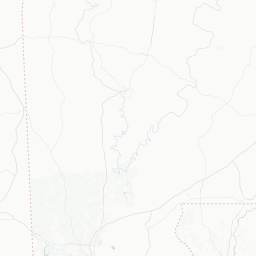
Timberlane is a small unincorporated community in Jefferson Parish, Louisiana, situated on the west bank of the Mississippi River roughly 10 miles south of downtown New Orleans. With a population just over 10,000, it functions primarily as a residential suburb, offering visitors a quieter and often more affordable base compared to the French Quarter and surrounding tourist-heavy neighborhoods.
The area sits within the flat, low-lying terrain characteristic of coastal Louisiana, surrounded by marshland and waterways. While Timberlane itself has few conventional tourist attractions, its location places it within easy reach of New Orleans' world-famous food, music, and cultural scene, as well as bayou tours and Mississippi River landmarks on the West Bank.
Travelers who end up here are typically visiting friends or family, seeking lower accommodation costs near New Orleans, or passing through as part of a broader Louisiana road trip. It is a practical, unpretentious stop rather than a destination in its own right.
Before You Go
Visas and Entry
Entry requirements depend on your nationality and travel history. Visit TravelerPulse's Visas section and the official U.S. Customs and Border Protection website (cbp.gov) for current guidance before booking.
Weather
Timberlane has a humid subtropical climate. Summers (June–September) are hot, muggy, and prone to heavy afternoon thunderstorms and the occasional tropical storm or hurricane. Winter temperatures are mild but can dip near freezing on rare occasions. Spring and autumn offer the most comfortable conditions for outdoor activity.
Hurricane Season
The Atlantic hurricane season runs June 1 through November 30. Jefferson Parish, which includes Timberlane, lies in a coastal flood zone. Check the National Hurricane Center (nhc.noaa.gov) and local emergency management alerts if traveling during this period. Know your evacuation routes and your accommodation's emergency policy.
Health
No special vaccinations are required for travel within the United States. Mosquitoes are prevalent, especially near wetlands — bring repellent. Tap water is safe to drink; verify locally if you have concerns.
Getting There
By Air
The nearest major airport is Louis Armstrong New Orleans International Airport (MSY), located in Kenner, Louisiana. From MSY, Timberlane is approximately 20–25 miles by road, generally a 30–45 minute drive depending on traffic and the route taken across the river.
By Car
Timberlane is most easily reached by personal vehicle or rental car. It sits near the West Bank Expressway (US-90 Business) in Jefferson Parish. The Greater New Orleans Bridge system (Crescent City Connection) on I-90 and nearby ferry services connect the West Bank to the East Bank and New Orleans proper. Verify current bridge and ferry schedules locally.
By Bus
Jefferson Parish Transit and the Regional Transit Authority (RTA) operate bus routes connecting parts of the West Bank to New Orleans. Check their respective websites for current route maps, schedules, and fares, as service patterns can change.
By Rideshare
Rideshare services such as Uber and Lyft operate in the Greater New Orleans metro area, including the West Bank. Availability may be more limited here than in central New Orleans, particularly late at night.
Getting Around
A personal or rental vehicle is strongly recommended for navigating Timberlane and the surrounding West Bank communities. The area's layout is suburban, with strip malls and residential streets that are not particularly walkable over longer distances.
For trips into New Orleans, driving to a park-and-ride lot or using a rideshare is practical. The Algiers Point Ferry, which connects the West Bank to the French Quarter, is a scenic and affordable option — verify current schedules and fares on the Regional Transit Authority's official site before relying on it.
Bicycle infrastructure is limited. Pedestrian conditions are adequate within residential blocks but not ideal for long-distance movement between destinations.
Things to See & Do
Timberlane itself is a residential community without major visitor attractions. However, the surrounding West Bank and short drives away offer genuine points of interest.
- Bayou Barataria and Jean Lafitte National Historical Park and Preserve — A short drive south, this federal preserve offers wetland trails, wildlife viewing (including alligators, herons, and roseate spoonbills), and canoeing. Admission and hours: verify at nps.gov/jela.
- Algiers Point — A historic neighborhood directly across the river from the French Quarter, reachable by ferry, featuring Victorian architecture and local cafés.
- Mississippi River levee walks — Public levee access in Jefferson Parish provides flat walking and cycling paths with river views.
- Greater New Orleans day trips — French Quarter, Magazine Street, City Park, the National WWII Museum, and the Garden District are all within 30–45 minutes by car or transit.
- Cajun country day trips — The Atchafalaya Basin, Breaux Bridge, and Houma are reachable within roughly 1–2 hours for those interested in deeper Louisiana culture and bayou ecosystems.
Food & Drink
Timberlane and the broader West Bank have a solid local dining scene that tends to be less touristy and more affordable than restaurants inside New Orleans. Expect classic Louisiana staples — po'boys, red beans and rice, seafood gumbo, boiled crawfish (in season), and plate lunches at family-run spots.
The West Bank has a notably diverse population including Vietnamese-American communities, meaning pho, bánh mì, and other Vietnamese dishes are widely available and often excellent. Look along the Westbank Expressway corridor for local Vietnamese restaurants.
Grocery stores and supermarkets are easy to find, and many locals pick up fresh Gulf seafood directly from roadside vendors or seafood markets — a worthwhile experience. Confirm hours and availability seasonally.
Alcohol laws in Louisiana are generally permissive compared to other U.S. states, though specific rules apply to hours and open-container regulations. Drive-through daiquiri shops are a distinctly Louisiana phenomenon found throughout the area.
Practical Information
Emergency Services
For police, fire, or medical emergencies anywhere in the United States, dial 911.
Currency and Payments
Credit and debit cards are accepted almost universally. ATMs are readily available at banks and grocery stores throughout Jefferson Parish.
Internet and Phone
Major U.S. carriers (AT&T, T-Mobile, Verizon) provide reliable cell coverage. Wi-Fi is available at most hotels and many restaurants.
Tipping
Tipping is standard practice in the United States. A gratuity of 18–20% is customary at sit-down restaurants. Tip taxi and rideshare drivers, hotel housekeeping, and other service workers as appropriate.
Flooding
Jefferson Parish is a low-lying area. Heavy rain events can cause localized street flooding with little warning. If driving during heavy rain, avoid underpasses and low-lying roads where water accumulates quickly. Monitor local weather services.
Safety
Timberlane is a quiet, predominantly residential community. As with any suburban area in the greater New Orleans metro, standard precautions apply: lock vehicles, don't leave valuables visible, and stay aware of your surroundings after dark.
The Greater New Orleans region has elevated crime statistics compared to national averages, concentrated in specific neighborhoods in the city proper. Timberlane and much of the West Bank are generally calmer, but travelers should check current local news and U.S. State Department advisories for up-to-date information.
Natural hazards are the more relevant safety concern here: hurricane risk in summer and fall, mosquito-borne illness (though rare), and flooding. Travel insurance that covers weather-related disruptions is worth considering during peak storm season.