Overview
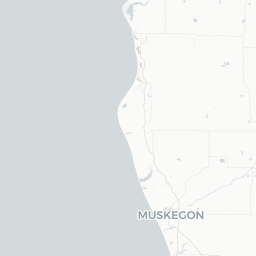
Muskegon sits on the eastern shore of Lake Michigan in west-central Michigan, separated from the open lake by a long barrier of sand dunes and connected to it through Muskegon Lake, a large inland lake that empties into Lake Michigan via a channel. With a population of around 38,000, it is a small city with a working-class industrial heritage — once known as the "Lumber Queen of the World" in the late 19th century — that has spent the past two decades reinventing itself around tourism, outdoor recreation, and arts.
The city's greatest asset is its geography. Muskegon State Park and P.J. Hoffmaster State Park bracket the city to the north and south respectively, together protecting miles of undeveloped dune shoreline. Downtown Muskegon has seen meaningful investment in recent years, with a renovated convention center, a minor-league hockey arena, and a cluster of breweries and restaurants giving the core a livelier feel than many small Rust Belt cities.
Visitors typically come for beach days, dune hiking, water sports on Muskegon Lake, and summertime festivals. The city also holds a handful of genuine cultural attractions — including a fine arts museum and a preserved Civil War–era lumber baron's mansion — that reward travelers who look beyond the shoreline.
Before You Go
Visas and Entry
Muskegon is a domestic US destination. International travelers should check TravelerPulse's Visas section and consult the US Department of Homeland Security's official immigration resources for current entry requirements.
Climate
Muskegon experiences a humid continental climate moderated by Lake Michigan. Summers (June–August) are warm, with highs typically in the mid-70s to low 80s°F (24–28°C), and the lake keeps temperatures somewhat cooler than inland Michigan. Winters are cold and snowy — the lake-effect snow machine can produce significant accumulation from November through March. Spring and fall are transitional and can be unpredictable; pack layers.
What to Pack
- Summer: Sunscreen, swimwear, water shoes, and a light jacket for cool lake evenings
- Winter: Warm waterproof outerwear, boots rated for snow, and layers
- Year-round: Comfortable walking or hiking shoes if you plan to explore dune trails
Practical Heads-Up
- State park access typically requires a Recreation Passport (a Michigan vehicle sticker). If you are renting a car, verify whether the rental vehicle carries one, or purchase at the park entrance. Confirm current pricing at michigan.gov/dnr.
- Many smaller restaurants and shops in Muskegon are closed on Mondays or keep reduced off-season hours. Verify hours before visiting, particularly September through May.
Getting There
By Air
The closest commercial airport is Gerald R. Ford International Airport (GRR) in Grand Rapids, roughly 40 miles east of Muskegon. It serves multiple major US hubs. Muskegon County Airport (MKG) exists and has historically offered limited regional service; verify current routes before planning around it. Car rental is the most practical option from either airport.
By Car
Driving is the dominant way to reach Muskegon. From Grand Rapids, US-31 or M-45 westbound provides a direct connection (roughly 40–50 minutes depending on traffic). From Chicago, the drive is approximately 2.5–3 hours via I-94 north and then US-31 north through southwestern Michigan.
By Ferry
The Lake Express high-speed ferry operates seasonal service between Milwaukee, Wisconsin, and Muskegon, carrying passengers and vehicles across Lake Michigan. The crossing takes approximately 2.5 hours and is a practical option for travelers coming from the Chicago metro area or Wisconsin. Schedules run roughly May through October; check lakeexpress.com for current schedules and reservations.
By Bus
Greyhound and FlixBus serve the greater western Michigan corridor; verify current stops and schedules directly with carriers, as service to smaller cities changes frequently.
Getting Around
Muskegon is a car-dependent city. The attractions — state parks, beaches, downtown, and lakefront — are spread across several miles, and public transit coverage is limited. Muskegon Area Transit (The Rapid's partner system, MATS) operates local bus routes, but service frequency and coverage are modest. Verify current routes at ridetherapid.org or locally.
For most visitors, a rental car or personal vehicle is the most efficient way to move between the lakefront parks, downtown, and surrounding areas. Ride-share services (Uber, Lyft) operate in Muskegon but availability can be limited outside peak hours, particularly in state park areas.
During summer, biking is a viable option within the city core and along some shoreline paths. The Lakeshore Trail and segments of the Michigan Heritage Route provide dedicated or low-traffic routes. Bike rentals are available seasonally; verify locally for current providers.
Where to Stay
Muskegon's accommodation inventory ranges from national chain hotels to independent motels, a small number of vacation rental properties, and some bed-and-breakfast options. There is no large luxury hotel market.
Chain hotels clustered along US-31 and near the convention center are reliable options; brands present have included Holiday Inn Express, Hampton Inn, and others — verify current availability on booking platforms. Vacation rentals (via platforms such as Vrbo or Airbnb) are popular for families visiting the beach parks, particularly cottages near Pere Marquette Beach or around Muskegon Lake.
Peak season is mid-June through Labor Day; book accommodations well in advance if traveling then, especially on weekends. Rates and availability shift dramatically in the off-season, and some properties close or reduce operations between October and April. The Lake Express ferry terminal area has some lodging options convenient if you are arriving by ferry.
Things to See & Do
State Parks and Dunes
Muskegon State Park (north of the city) and P.J. Hoffmaster State Park (to the south) are the area's signature natural attractions. Both feature Lake Michigan frontage with sandy beaches, forested dune ridges, and hiking trails. Hoffmaster is particularly noted for its Gillette Sand Dune Visitor Center, which interprets the ecology and geology of Great Lakes dunes. In winter, Muskegon State Park operates a luge run — one of only a handful of public luge facilities in the United States — as well as cross-country ski and snowshoe trails.
Beaches
Muskegon's public beaches include Pere Marquette Park, the main city beach on Lake Michigan, which has a wide sandy shoreline, concessions (seasonal), and lifeguards during summer months. It fills up on hot weekends; arrive early. Muskegon Lake also has calmer, warmer water that is popular with families and paddlers.
Cultural Attractions
- Muskegon Museum of Art — A respected regional fine arts museum with a permanent collection that includes works by American and European masters. Verify current hours and admission on the official site.
- Hackley & Hume Historic Site — Two ornate Victorian mansions built by lumber baron Charles Hackley and his business partner Thomas Hume in the 1880s, open for guided tours seasonally.
- USS Silversides Submarine Museum — A preserved World War II–era submarine (USS Silversides, a decorated Gato-class fleet sub) moored at Muskegon Lake. One of the better-preserved and most visited WWII submarines open to the public in the US.
Outdoor Recreation
Muskegon Lake and the channel offer fishing, kayaking, and paddleboarding. Several outfitters operate seasonally; verify locally. The Muskegon River to the north is known for salmon and steelhead fishing. In winter, the state park luge track and Nordic ski trails draw visitors specifically seeking those activities.
Food & Drink
Muskegon's food and drink scene has grown notably over the past decade, anchored by a cluster of craft breweries and a modest but improving restaurant scene downtown and along the lakefront.
Craft Beer
The city has punched above its weight in craft brewing. Pigeon Hill Brewing Company is one of the most established and well-regarded, operating a taproom downtown. Several other breweries and a distillery have opened in recent years. Verify current operators locally, as the scene evolves.
Dining
Expect casual to mid-range dining as the dominant register. Seafood (particularly Great Lakes fish — lake perch, walleye, whitefish) appears on many menus and is worth seeking out. There is a reasonable range of cuisines given the city's size, but do not expect a wide selection of upscale or internationally diverse restaurants. Seasonal lakefront spots are popular in summer; some close or reduce hours significantly in the off-season.
Practical Notes
- Downtown Muskegon is the most walkable area for dining and drinking.
- Verify hours and reservations directly with any restaurant, particularly on weekdays and in the shoulder season.
Practical Information
Emergency Services
Dial 911 for police, fire, or medical emergencies anywhere in the United States.
Money
ATMs are widely available at banks and convenience stores throughout the city. Major credit and debit cards are accepted at most businesses. Some farmers' market vendors and small seasonal operators are cash-only.
Connectivity
Cellular coverage (all major US carriers) is reliable in the city and along main corridors. Wi-Fi is available at most hotels, many cafés, and the public library. Coverage in the more remote areas of the state parks may be patchy.
Useful Resources
- Muskegon County CVB (visitor bureau): verify current URL locally, as web addresses change
- Michigan DNR (state parks): michigan.gov/dnr
- Lake Express Ferry: lakeexpress.com
Safety
Muskegon, like many post-industrial small cities, has neighborhoods with elevated crime rates. The areas most relevant to tourists — Pere Marquette Beach, the state parks, and the renovated downtown core — are generally safe and well-trafficked during daylight and summer evenings.
Apply standard urban common sense: be aware of your surroundings after dark, don't leave valuables visible in a parked car (particularly at beach parking lots, which are known targets for break-ins across Michigan), and stay on marked trails in the dune parks, where steep dune faces and loose sand can cause falls.
Lake Michigan itself warrants respect. Rip currents, sudden weather changes, and cold water temperatures (even in summer) pose real risks. Check posted beach flags and lifeguard advisories before swimming. The Great Lakes have no tides but can have significant wave action during storms.