Overview
Helena Valley Southeast is a small, largely residential census-designated place (CDP) situated on the southeastern fringe of the Helena Valley in Lewis and Clark County, Montana. With a population of roughly 8,000, it functions primarily as a suburban community for people who work in Helena, the state capital, roughly 5–10 miles to the southwest.
The surrounding landscape is defined by wide-open grassland, sagebrush foothills, and views of the Big Belt and Elkhorn mountain ranges. Visitors passing through or staying here are typically drawn not to the CDP itself but to the broader Helena area — its history, public lands, and outdoor opportunities are all within a short drive.
Because Helena Valley Southeast is a residential area rather than a tourist destination, it has limited dedicated visitor infrastructure. Travelers should plan most dining, lodging, and attractions around the city of Helena proper, using the valley as a quiet, affordable base.
Getting There
By Air
The closest commercial airport is Bert Mooney Airport in Butte (about 65 miles southwest) and, more practically, Helena Regional Airport (HLN), which is located within the broader Helena metro area and offers direct or one-stop flights from major western hubs. Check current carriers and schedules directly with the airport or your preferred booking site.
By Road
Helena Valley Southeast is easily reached by vehicle via U.S. Route 12 or Interstate 15, which connects Helena to Butte (south) and Great Falls (north). Most visitors will arrive by car — having your own vehicle is essential once here.
By Bus
Intercity bus service (Greyhound and regional carriers) operates to Helena. Verify current routes and stops at the carrier's official site, as schedules in rural Montana can change seasonally.
Getting Around
A personal vehicle is effectively required for getting around Helena Valley Southeast and the surrounding area. The CDP has no meaningful public transit, and distances between points of interest in the Helena Valley are not walkable.
Helena itself has a limited local bus network (Capital Transit); verify current routes and hours at the City of Helena's official website. Rideshare availability (Uber, Lyft) exists in Helena but can be inconsistent — do not rely on it exclusively, particularly in evenings or on weekends.
Bicycling is feasible on some roads for experienced cyclists, but the absence of dedicated bike infrastructure on rural valley roads means extra caution is warranted.
Where to Stay
There are no major hotels located within Helena Valley Southeast itself. Accommodation options are concentrated in the city of Helena, where you will find national chain hotels and motels along the freeway corridor, a small number of independent inns, and short-term rental properties listed on platforms such as Airbnb and Vrbo.
For travelers who prefer a quieter setting, some ranch-style short-term rentals exist in the broader Helena Valley — search current listings on rental platforms and verify details directly with hosts. Camping is available in Helena National Forest; permits and regulations should be confirmed with the Forest Service.
Things to See & Do
Outdoor Recreation
The Helena Valley's public lands and trail networks are the primary draw for active visitors. The Helena National Forest borders the valley and offers hiking, mountain biking, camping, and hunting. The Continental Divide National Scenic Trail passes through the broader Helena area. Verify trailhead access and conditions with the Helena–Lewis and Clark National Forest office before heading out.
Lake Helena
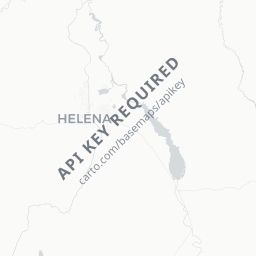
Lake Helena, a reservoir just to the north of the valley, provides fishing (walleye, perch, and other species), boating, and waterfowl observation. A state fishing access site offers public entry — confirm current conditions with Montana Fish, Wildlife & Parks (fwp.mt.gov).
Day Trips into Helena
Helena's historic Last Chance Gulch pedestrian mall, the Montana State Capitol building, the Montana Historical Society Museum, and the Cathedral of Saint Helena are all within a 10–15-minute drive. These represent the cultural and historical core of any visit to this part of Montana.
Elkhorn Ghost Town
The Elkhorn ghost town, managed by the Bureau of Land Management, is located in the Elkhorn Mountains south of Helena Valley Southeast. Two Victorian-era buildings survive and are open to visitors; verify road conditions (a dirt road is involved) before visiting.
Food & Drink
Helena Valley Southeast itself has very limited dining — a handful of local convenience stops and small commercial services exist along the main corridors, but the CDP is not a dining destination.
For restaurants, bars, and cafés, head into Helena, which has a genuine and varied food scene for a small state capital: brewpubs, diner-style breakfast spots, steakhouses, and a modest selection of ethnic cuisine. Helena's craft brewery scene in particular has grown in recent years and is worth exploring.
Grocery shopping for self-catering is best done in Helena. Verify store hours and locations locally, as options near the CDP are limited.
Practical Information
Visas & Entry
Helena Valley Southeast is in the United States. For visa and entry requirements, visit TravelerPulse's Visas section and check the official U.S. Customs and Border Protection website (cbp.gov).
Weather
Montana weather is variable. Summers (June–August) are warm and dry with occasional afternoon thunderstorms. Winters are cold, with temperatures regularly dropping well below freezing and significant snowfall possible. Spring and fall are transitional and can include both warm days and late/early snow.
Connectivity
Cell coverage in the Helena Valley is generally adequate along main roads but can be patchy in backcountry areas. Download offline maps before venturing into rural terrain.
Emergency Services
For emergencies, dial 911. The nearest full-service hospital is in Helena — verify the current location and contact information locally or via Montana's official health resources.
Safety
Helena Valley Southeast is a low-key residential area with no particular safety concerns for visitors. Standard rural Montana awareness applies: wildlife (deer and occasional larger animals) can be on roads, especially at dawn and dusk — drive accordingly.
If you plan to hike or explore backcountry areas, inform someone of your plans, carry adequate water and supplies, and check for current fire restrictions (wildfires are a seasonal risk in Montana). Hunting seasons can affect trail use on public lands — wearing blaze orange during rifle season is advisable. Verify season dates with Montana Fish, Wildlife & Parks.