Overview
Tatum is a small agricultural and ranching community in Lea County, southeastern New Mexico, sitting at roughly 3,800 feet elevation on the Llano Estacado — the vast, flat tableland that stretches across the Texas-New Mexico border. With a population under 1,000, it functions as a quiet rural service center rather than a conventional tourist destination.
The town lies just a few miles west of the Texas state line, and life here revolves around ranching, oil and gas production, and the rhythms of the surrounding high plains. Visitors typically pass through en route to Roswell, Hobbs, or Lubbock, Texas, or stop to experience the wide-open landscape that defines this corner of the American Southwest.
For travelers who appreciate genuine small-town America — unhurried, unpretentious, and rooted in working-land heritage — Tatum offers an authentic glimpse of the region's character.
Getting There
By Car
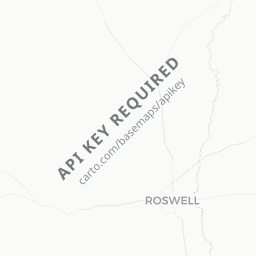
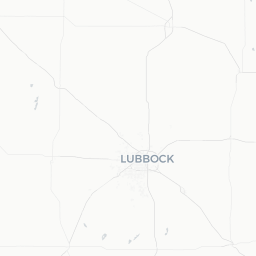
Tatum sits along US Highway 380, which connects it westward toward Roswell (approximately 75 miles) and eastward into Texas toward Lubbock (roughly 115 miles). US Highway 206 also passes through, linking to communities to the north and south. Driving is essentially the only practical way to reach Tatum.
Nearest Airports
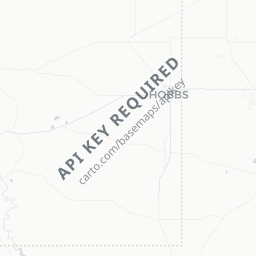
The closest commercial airport with scheduled service is Lea County Regional Airport (HOB) in Hobbs, New Mexico, roughly 35 miles to the south. Roswell International Air Center (ROW) is another option, approximately 75 miles west. Lubbock Preston Smith International Airport (LBB) in Texas, about 115 miles east, offers broader airline connections. Verify current routes and schedules directly with carriers before booking.
By Bus
There is no regular intercity bus service stopping in Tatum. Travelers relying on public transportation should plan connections through Hobbs or Roswell, then arrange a private vehicle from there.
Getting Around
A personal vehicle is essential in and around Tatum. The town itself is compact and walkable for its few blocks of commercial activity, but reaching any surrounding points of interest requires driving. There are no ride-share services, taxis, or local transit options — confirm availability of any services locally, as conditions can change in small rural communities.
Where to Stay
Tatum does not have a notable hotel inventory. Travelers typically overnight in Hobbs (approximately 35 miles south) or Roswell (approximately 75 miles west), both of which have chain and independent lodging options across various price ranges. Verify current availability on booking platforms before your trip.
If camping appeals, southeastern New Mexico has several state and BLM-managed areas within reasonable driving distance — check with the New Mexico State Parks system and the Bureau of Land Management's online resources for current sites and conditions.
Things to See & Do
High Plains Scenery and Stargazing
The primary draw of the Tatum area is its landscape: extraordinarily flat, wide-horizon plains with minimal light pollution. On clear nights, the sky can be remarkable, and the region is generally well-suited to amateur stargazing. No formal observatory or designated dark-sky site exists in Tatum itself, but the open terrain outside town provides natural opportunity.
Road Tripping and Regional Exploration
Tatum is well-positioned as a waypoint on a broader southeastern New Mexico road trip. The drive west on US-380 toward Roswell passes through classic high-desert scenery. Nearby Hobbs offers slightly more developed visitor amenities and access to the Permian Basin oil heritage of the region.
Local Community Life
The Tatum school system and local events — rodeos, community gatherings, agricultural fairs — occasionally draw visitors with family connections to the area. Check locally for any events scheduled during your visit, as these offer the most direct window into the community's culture.
Food & Drink
Dining options in Tatum are limited given the town's size. Expect basic local establishments — small diners or convenience-store food — rather than a broad restaurant scene. Visitors with specific dietary needs or preferences should stock up on supplies in Hobbs, Roswell, or another larger town before arriving.
Verify current operating businesses locally or via a current maps application, as small-town food establishments in communities this size can change frequently.
Practical Information
Services
Tatum has basic services including a post office, school, and limited retail. For banking, medical care, fuel, and grocery shopping beyond the basics, plan visits to Hobbs or another nearby hub.
Fuel
Fill your tank when possible. Gas stations in very small rural communities can have limited hours or occasional closures. Confirm fuel availability locally.
Connectivity
Cell coverage in southeastern New Mexico can be inconsistent in rural stretches between towns. Download offline maps before travel.
Emergency Services
In any emergency, dial 911. For non-emergency matters, contact Lea County Sheriff's Office — verify current contact details locally or through official county websites.
Safety
Tatum and the surrounding area are generally considered safe rural communities. Standard precautions apply: secure valuables in your vehicle, be mindful of driving long stretches of empty highway (watch for fatigue and livestock crossings), and carry water if venturing into the open landscape, as summer heat can be intense and services are sparse.
Weather on the Llano Estacado can change quickly. Spring and summer bring the possibility of severe thunderstorms and occasional high winds. Check weather forecasts before extended drives.
Local Culture & Etiquette
Tatum reflects the ranching and agricultural traditions of southeastern New Mexico and the broader Permian Basin region. The community has deep roots in cattle ranching and has also been shaped by the oil and gas industry that defines Lea County's economy.
The area sits near the cultural overlap of the American Southwest and West Texas — a blend of Hispanic heritage, Anglo ranching traditions, and the working-class ethos of the energy industry. Visitors will find a community oriented around practicality, self-reliance, and a quiet pride in its rural way of life. Respectful, low-key engagement is appreciated.