Overview
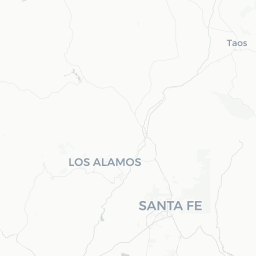
Tucumcari is a small city of roughly 5,000 people in Quay County, eastern New Mexico, situated along the old alignment of US Route 66 and Interstate 40. At an elevation of about 4,000 feet on the southern edge of the High Plains, it sits in wide-open mesa country where the sky dominates and the horizon seems endless.
The city is one of the best-preserved Route 66 towns remaining in the American Southwest. Its stretch of old highway is lined with mid-century motels, restored neon signs, diners, and murals that reflect its 1950s heyday as a crossroads stop between Amarillo and Albuquerque. Phrases like "Tucumcari Tonight!" were once plastered on thousands of roadside billboards across three states.
Beyond the nostalgia, Tucumcari has genuine cultural and scientific attractions — a regional history museum, one of New Mexico's better small paleontology collections, and a historic railroad heritage tied to the Rock Island and Southern Pacific lines. It is a practical and rewarding overnight stop, and for dedicated Route 66 travelers it deserves a half-day of careful exploration on foot.
Before You Go
Visas
Tucumcari is in the United States. For visa requirements, visit TravelerPulse's Visas section and cross-check with the U.S. Citizenship and Immigration Services (USCIS) or your nearest U.S. embassy or consulate.
Climate
The climate is semi-arid with four distinct seasons. Summers (June–August) are hot, often reaching the low-to-mid 90s°F (33–35°C), and afternoon thunderstorms are common. Winters can bring brief cold snaps and occasional snow, though extended freezes are unusual. Spring and autumn are the most comfortable seasons for sightseeing.
Packing Tips
- Sunscreen, sunglasses, and a wide-brimmed hat are essential year-round.
- Carry water in quantity; distances between services are long if you plan to drive surrounding roads.
- Layers are useful in spring and autumn when temperatures can swing 30°F between day and night.
- Cell coverage can be spotty on rural roads east and west of town — download offline maps before leaving.
Getting There
By Car
Tucumcari is the most accessible by road. Interstate 40 passes directly through town, with multiple exits. It is approximately 175 miles east of Albuquerque and roughly 100 miles west of Amarillo, Texas, making it a natural halfway stop on that corridor.
By Bus
Greyhound and some regional carriers serve Tucumcari with stops on the I-40 corridor. Verify current schedules and pick-up points directly with the carrier before travel, as rural bus service is subject to change.
By Air
Tucumcari Municipal Airport (TCC) handles general aviation but has no scheduled commercial airline service. The nearest commercial airports are Clovis Municipal Airport (CVN) to the southeast and Albuquerque International Sunport (ABQ) to the west. Renting a car at either airport and driving is the standard approach for fly-drive visitors.
By Train
Amtrak does not stop in Tucumcari. The nearest Amtrak station on the Southwest Chief route is in Lamy or Albuquerque, both to the west.
Getting Around
Tucumcari is a small, largely flat city that is easy to navigate by car. The historic Route 66 alignment runs through the heart of town as Tucumcari Boulevard, and most attractions, restaurants, and motels are strung along or just off this corridor.
There is no local public transit system. Walking is feasible along Tucumcari Boulevard for those staying on that strip, but a car is recommended for reaching the museums, the lake, and outlying areas. Rideshare apps have limited availability in small eastern New Mexico cities — verify locally before relying on them.
Bicycling is possible given the flat terrain, but road shoulders outside the main boulevard can be narrow. The town is compact enough that the core sights can be covered on foot or by a short drive within an hour or two.
Where to Stay
Accommodation in Tucumcari is dominated by independent motels lining Route 66 / Tucumcari Boulevard and chain properties clustered near the I-40 interchange. Budget to mid-range options are the norm; there are no luxury hotels.
The historic Route 66 motels — some of which have been restored with period furnishings and working neon signs — are the most atmospheric places to stay and are a draw in themselves for road-trip enthusiasts. The Blue Swallow Motel is the most celebrated, though availability can be limited given its small size; book well in advance if it is a priority.
Chain motor lodges and budget motels near the interstate exits offer predictable, serviceable accommodation. Rates vary seasonally; summer and holiday weekends see higher demand from I-40 travelers. Verify current rates and availability directly with properties or through standard booking platforms.
Things to See & Do
Mesalands Dinosaur Museum
Operated by Mesalands Community College, this is one of the more substantive small-city paleontology museums in the region. It houses cast skeletons and original fossil material from the Triassic and Jurassic periods recovered from New Mexico and nearby states. The bronze fossil casts are a particular specialty. Verify current hours and admission fees on the museum's official website before visiting.
Tucumcari Historical Museum
This regional museum covers the full span of Quay County history — from Indigenous peoples and early Hispanic settlement through the railroad era and Route 66 culture. Exhibits include railroad artifacts, homestead-era objects, and local memorabilia. Check locally for current hours.
Historic Route 66 / Tucumcari Boulevard
A leisurely drive or walk along Tucumcari Boulevard rewards visitors with some of the best-surviving mid-century commercial architecture and neon signage on the entire Route 66 alignment. Several motels have been carefully restored. The Blue Swallow Motel is among the most recognized and photographed Route 66 properties in the country.
Tucumcari Lake and Recreation Area
A city-managed lake on the western edge of town offers fishing, picnicking, and wildlife watching. Eastern New Mexico's open skies make it a decent spot for birdwatching during migration seasons. Facilities and access hours should be confirmed locally.
Murals
The city has invested in large-scale public murals depicting Route 66 culture, local history, and Southwestern imagery. A self-guided mural walk along downtown streets takes roughly 30–45 minutes and is free.
Food & Drink
Tucumcari's dining scene is modest and centered on classic American diner food, Mexican-American cooking, and road-trip staples. A handful of locally owned restaurants along Tucumcari Boulevard and the side streets around it provide most of the options.
New Mexican cuisine — featuring red and green chile — is present, reflecting the broader state food culture. Asking for "Christmas" when ordering chile-dressed dishes means you want both red and green sauces, a local custom across New Mexico.
Chain fast-food and fast-casual restaurants are available near the interstate exits. For a more authentic experience, seek out the locally owned diners and Mexican restaurants, several of which have operated for decades. Verify current hours before visiting, as smaller establishments may keep limited schedules or close on certain days.
Alcohol is available at restaurants and a small number of retail locations. New Mexico's general laws apply; confirm local availability if it matters to your plans.
Practical Information
Money
ATMs are available at banks and some convenience stores in town. Most restaurants and motels accept major credit cards, but carry some cash for smaller establishments and roadside vendors.
Connectivity
Free Wi-Fi is offered by many motels. Cell service is generally adequate in town but can drop on rural roads outside the city limits — plan accordingly.
Medical Services
Plainsview Regional Medical Center serves the Tucumcari area. For serious emergencies, larger facilities are in Amarillo or Albuquerque. Carry any prescription medications you need, as pharmacy options are limited.
Emergency Numbers
In the United States, dial 911 for police, fire, and medical emergencies.
Fuel
Gas stations are available in town and at interstate exits. If you plan to explore rural roads in Quay County or neighboring areas, fill up before leaving — the next station can be many miles away.
Safety
Tucumcari is a quiet, low-key small city. Serious crime is not a significant concern for visitors, though standard urban common sense applies: keep valuables out of sight in parked vehicles and be aware of your surroundings after dark.
The main practical safety consideration is the surrounding landscape. Long, empty stretches of I-40 and state highways carry fast-moving traffic. Driving fatigued on these roads is a real hazard — the town itself markets to travelers precisely because it is a sensible place to stop and rest. Heed that advice.
Summer heat and afternoon thunderstorms can develop rapidly. If you are outdoors or hiking near the mesa country, be alert to lightning risk and carry water. Flash flooding can occur on low-water crossings on rural roads during heavy rain.
Local Culture & Etiquette
Tucumcari sits within a layered cultural landscape. The region has deep Indigenous history, and Spanish colonial settlement preceded Anglo-American settlement by centuries. The arrival of the Chicago, Rock Island and Pacific Railroad in the early 1900s effectively founded the modern town, and a wave of Anglo homesteaders followed. Route 66, designated in 1926, brought a new identity as a travelers' town.
Today the community reflects this layered heritage. Hispanic and Anglo cultures are both well represented in daily life, food, and local customs. The pace is unhurried and residents tend to be friendly toward the steady stream of Route 66 travelers who pass through.
Mid-century American roadside culture — the motel aesthetic, the neon signage, the diner booth — is treated seriously here, not merely as kitsch. Many local business owners and residents take pride in preservation and restoration efforts. Visitors who approach that heritage with genuine curiosity rather than ironic detachment tend to have richer interactions.