Overview
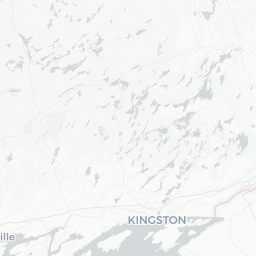
Fort Drum is a U.S. Army installation and surrounding community in Jefferson County, in New York's North Country, roughly 30 miles northeast of Watertown. With a population of just under 13,000, the area is defined by its military identity — it is permanently home to the 10th Mountain Division, one of the most-deployed divisions in the U.S. Army since the 1990s.
The installation sits in a landscape shaped by glacial history: rolling farmland, dense forests, and proximity to the eastern edge of Lake Ontario and the St. Lawrence River valley. Winters are famously harsh, with heavy lake-effect snow a regular feature from late autumn through early spring.
For civilians, Fort Drum functions primarily as a residential and logistical hub. Visitors are most often family members of service personnel, contractors, or travelers using the area as a convenient overnight stop en route to the Thousand Islands, the Adirondacks, or Canada. The surrounding Jefferson County offers genuine outdoor recreation and some of New York State's most underrated scenery.
Before You Go
Installation Access
Fort Drum is an active military installation. Civilian access to the base itself requires either a military sponsor, official business credentials, or a visitor pass arranged in advance through the garrison. Visitors without a Common Access Card (CAC) or valid military ID must obtain authorization at the Visitor Control Center before entering. Requirements can change; verify current procedures on the official Fort Drum garrison website or contact the installation directly before your trip.
Visas
Fort Drum is in the United States. Entry requirements depend on your nationality, travel history, and purpose of visit. Check TravelerPulse's Visas section and the U.S. Customs and Border Protection website for current requirements specific to your situation.
Climate
North Country winters are long and snowy — lake-effect snow from Lake Ontario can deposit several feet of snow in short periods. Pack accordingly if visiting October through April. Summers are mild to warm, making them the most comfortable time for outdoor activities.
- Spring (Apr–May): Muddy, cool, good for wildlife watching
- Summer (Jun–Aug): Best weather; peak season for Thousand Islands and Adirondacks
- Fall (Sep–Oct): Excellent foliage, cooler temperatures
- Winter (Nov–Mar): Heavy snowfall; dress in insulating, waterproof layers
Getting There
By Air
The nearest commercial airport is Watertown International Airport (ART), located in Watertown, approximately 30 miles southwest of Fort Drum. It offers limited regional connections; travelers coming from farther afield typically fly into Syracuse Hancock International Airport (SYR), about 90 miles to the south, or Ottawa Macdonald–Cartier International Airport (YOW) in Canada, roughly 100 miles to the northeast. Verify current routes and schedules directly with airlines or on airport websites.
By Car
Driving is the most practical way to reach Fort Drum. Interstate 81 passes through Watertown and provides direct north–south access. From Syracuse, the drive is approximately 90 minutes. From New York City, expect roughly 5 to 6 hours depending on traffic and route.
By Bus
Limited intercity bus service operates to Watertown; check current operators and schedules locally, as service frequency in the North Country can be irregular. There is no direct passenger rail service to the immediate area.
Getting Around
A personal vehicle is essentially required to get around Fort Drum and the surrounding Jefferson County area. Public transit options are minimal outside the city of Watertown. Rental cars are available at the Watertown airport and in Watertown itself; verify availability in advance, as the local fleet can be limited.
Within the installation, those with access will find a self-contained community with on-post services, medical facilities, and amenities. Off-post, most services and accommodations are clustered along the Route 11 corridor and in nearby Watertown.
Where to Stay
Accommodation options within Fort Drum itself are primarily on-post military lodging, generally reserved for service members, their families, and authorized personnel. Civilian visitors typically stay in Watertown, which has a selection of national chain hotels and motels, or in smaller towns such as Sackets Harbor or Alexandria Bay, which offer more characterful lodging including bed-and-breakfasts.
Alexandria Bay and the Thousand Islands area has a broader range of seasonal hotels and cottage rentals, making it a good base if your visit coincides with the warmer months. Book ahead during summer, as the Thousand Islands tourist season is relatively compressed and accommodations can fill quickly. Verify current availability and rates directly with properties.
Things to See & Do
Outdoor Recreation — Jefferson County
The North Country surrounding Fort Drum is the main draw for civilian visitors. The Thousand Islands region of the St. Lawrence River, roughly 25–35 miles to the north, offers boating, fishing, kayaking, and tours of historic island castles. Boldt Castle on Heart Island is among the most visited historic sites in the region; boat tours operate seasonally — verify current operators and schedules locally.
Adirondack Park
The western edge of Adirondack Park is within an hour's drive east of Fort Drum. Hiking, camping, fishing, and winter sports are all accessible within the park's 6 million acres. The park is a genuine wilderness destination and one of the largest protected areas in the continental U.S.
Black River and Local Fishing
The Black River, which flows through Watertown and Jefferson County, is a recognized destination for smallmouth bass and other species. Local fishing access points are available seasonally; a valid New York State fishing license is required.
Military Heritage
The 10th Mountain Division Museum, located on the Fort Drum installation, documents the division's history from its World War II mountain warfare origins through modern deployments. Access requires entry to the post — confirm current visitor policies before visiting.
Sackets Harbor
The village of Sackets Harbor, on Lake Ontario roughly 20 miles west, contains a well-preserved War of 1812 battlefield and historic district, and is worth a half-day visit.
Food & Drink
Dining options directly in the Fort Drum community are largely military-oriented (DFAC facilities, on-post restaurants, and chain establishments along the commercial corridor). The greatest concentration of civilian dining is in Watertown, which has a range of chain restaurants and some locally owned establishments.
For a more distinctive meal, Sackets Harbor has a handful of lakeside restaurants with seasonal menus emphasizing local fish and regional ingredients. Alexandria Bay, the heart of the Thousand Islands tourist area, has additional dining options concentrated around the marina and main street, particularly active in summer months.
Note that many smaller, independently owned restaurants in the North Country operate seasonally or with reduced hours in winter; it's worth calling ahead or checking current hours before making a special trip.
Practical Information
Emergency Services
For any emergency in the United States, dial 911. On the installation, follow on-post emergency protocols.
Medical
On-post medical care is available to authorized personnel through Guthrie Ambulatory Health Care Clinic on Fort Drum. Civilians should plan to use medical facilities in Watertown, including Samaritan Medical Center. Verify current services locally.
Connectivity
Cell coverage is generally reliable along the Route 11 corridor and in Watertown. More rural areas and parts of the Adirondacks can have limited or no coverage — download offline maps before heading into remote areas.
Money
ATMs are available on the installation (for authorized personnel) and throughout Watertown. Major credit cards are widely accepted at hotels, gas stations, and larger retailers. Smaller, rural businesses may prefer cash.
Time Zone
Eastern Time (ET). Clocks observe daylight saving time, shifting to UTC−4 in summer.
Safety
Jefferson County and the Fort Drum area are generally considered safe for visitors. Standard urban precautions apply in Watertown as in any small American city.
Outdoor visitors should take standard wilderness safety precautions when hiking or boating in the Adirondacks or on the St. Lawrence River. Weather can change quickly, particularly on the water. Lake Ontario and the St. Lawrence can produce strong winds and waves — heed local advisories if boating.
In winter, road conditions can deteriorate rapidly due to lake-effect snow. Check NYSDOT road condition reports before driving in winter, and ensure your vehicle is equipped for snow travel.