Translate
Overview
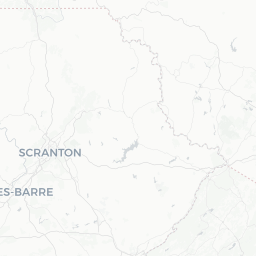
Hancock is a small village in Delaware County in the westernmost corner of New York State, sitting at the confluence of the East and West Branches of the Delaware River. With a population of under 1,000, it is a quiet, unhurried community that serves as an access point for serious anglers, hikers, canoeists, and travelers seeking relief from the pace of the Northeast Corridor.
The town occupies a narrow river valley where New York meets Pennsylvania, and the surrounding landscape of rolling hills, farms, and forested ridges is characteristic of the upper Delaware watershed. Despite its modest size, Hancock has a loyal following among those who value its proximity to world-class trout fishing and its relative lack of crowds compared to more promoted Catskills destinations.
The Delaware River here is classified as a wild and scenic river and managed partly as a tailwater fishery below the Cannonsville Reservoir — conditions that produce consistent cold-water temperatures attractive to wild trout year-round. This singular fact shapes much of what visitors do in and around town.
Before You Go
Visas and Entry
Hancock is in the United States. Entry requirements depend on your citizenship and circumstances. Check TravelerPulse's Visas section and the official U.S. Customs and Border Protection website for current requirements.
What to Pack
- Layered clothing is advisable in any season; temperatures swing considerably between morning and afternoon, especially in spring and fall
- Waterproof wading boots or rubber boots if you plan to fish or walk riverbanks
- Insect repellent from late May through August; black flies and mosquitoes are active near the water
- A printed or downloaded map — cell coverage can be spotty in parts of Delaware County
Practical Notes
- Hancock has limited commercial infrastructure; stock up on supplies in Binghamton (~45 miles northwest via NY-17/I-86) or Oneonta before arriving if you have specific needs
- A New York State fishing license is required for anyone 16 or older wishing to fish; purchase online via the NYDEC website or verify local vendors
- The town operates on Eastern Time and observes daylight saving
Getting There
By Car
Most visitors arrive by car. Hancock is accessible via NY Route 17 (which runs concurrent with Interstate 86 in this region), a major east–west corridor connecting Binghamton to the west and the Hudson Valley to the east. From New York City, the drive is roughly 2.5 to 3 hours depending on traffic and the route taken.
By Bus
Trailways and other regional bus operators have historically served the NY-17 corridor with stops in or near Hancock. Verify current schedules and stop locations directly with carriers before travel, as rural service can change.
By Train
There is no Amtrak station in Hancock. The nearest practical rail options are in Port Jervis or Binghamton; a car rental or arranged ride would be necessary from either point.
By Air
The nearest commercial airports are Greater Binghamton Airport (BGM) to the northwest and Stewart International Airport (SWF) to the southeast. Both require a car for the final leg of travel to Hancock.
Getting Around
Hancock is a walkable village in its compact center, and most lodging, dining, and supply options within the village itself are reachable on foot. However, reaching fishing access points, trailheads, and campgrounds in the surrounding area requires a vehicle.
There is no local public transit. Ride-sharing services such as Uber and Lyft have limited or unreliable coverage in rural Delaware County — do not count on them. If you are arriving without a car, arrange transportation in advance.
County roads in this area are generally well-maintained but can be narrow and winding. During winter months, some secondary roads may be affected by snow and ice; check conditions with the Delaware County Highway Department or local lodging.
Where to Stay
Accommodation in Hancock is modest in scale. Options generally include small motels along the Route 17 corridor, bed-and-breakfast properties, and a growing number of vacation rental cabins and homes booked through platforms like Airbnb and VRBO — the latter being particularly popular with fishing parties who want kitchen access and space for gear.
Camping is available in the surrounding area. Oquaga Creek State Park, roughly 20 miles to the north, offers camping; verify current availability and reservations through the New York State Parks reservation system. Primitive camping on state forest land may also be possible in parts of Delaware County; consult NYDEC regulations.
Book accommodation well in advance if visiting during peak fishing season (May–June for major hatches) or fall foliage season (mid-September through October), when demand from anglers and leaf-peepers can outpace the limited local supply.
Things to See & Do
Fly Fishing the Delaware River
The West Branch of the Delaware River below Cannonsville Dam is among the most respected dry-fly trout fisheries in the northeastern United States, known for its prolific hatches — particularly the Green Drake in late spring and early summer. The East Branch offers additional access. Local fly shops (verify current operators locally) can provide guided trips, current conditions, and licensing assistance.
Canoeing and Kayaking
The upper Delaware River corridor offers flatwater and mild-moving water suitable for canoes and kayaks. Several outfitters along the broader Delaware Valley rent equipment and arrange shuttles; verify availability and put-in locations locally or through the Upper Delaware Scenic Byway resources.
Hiking and Wildlife
The hills surrounding Hancock are laced with state forest land and old farm roads that informal hikers use for walking and birding. The upper Delaware watershed supports a diverse range of bird species, including bald eagles, which are regularly sighted along the river. No marked trail systems of note are maintained within Hancock itself; Catskill Center and NYS DEC resources list access points in the broader region.
Exploring the Village
Hancock's Main Street has a modest collection of local businesses, a historic railroad-era character, and easy river views. It is worth a short walk. The town's position straddling the New York–Pennsylvania state line also means visitors can cross into Lordville or other small Pennsylvania communities within minutes.
Food & Drink
Dining options in Hancock are limited and oriented toward locals and passing travelers rather than destination cuisine. The village typically has a small number of diners, taverns, and casual eateries; verify current operating businesses locally or via Google Maps before planning meals around specific spots, as turnover in small rural towns can be frequent.
Grocery and convenience store options exist in the village for self-catering. Visitors staying in rental cabins or campgrounds often bring a significant portion of their own food. The nearest towns with broader restaurant and grocery options are Deposit (roughly 12 miles east) and Walton (roughly 20 miles north).
Locally caught trout is not typically served commercially under normal circumstances — regulations and practicalities make that uncommon — but the river culture is central to the community's identity.
Practical Information
Emergency Services
For any emergency in the United States, dial 911. Delaware County has emergency services, but response times in rural areas may be longer than in urban settings.
Connectivity
Cell service is available in the village center but can drop off quickly in river valleys and on back roads. Download offline maps and any necessary information before leaving a coverage area.
Money
ATM access in Hancock is limited; confirm availability locally. It is advisable to carry some cash, as smaller local establishments may not accept all card types.
Weather
Summers are warm and humid with afternoon thunderstorms possible. Winters can be cold and snowy; the river valley setting can produce morning fog. Spring flooding on the Delaware is not uncommon during snowmelt — check river levels if you plan water-based activities in March and April via USGS Water Resources online tools.
Fishing Regulations
New York State fishing regulations apply on the New York side of the river; Pennsylvania regulations apply mid-river and on the Pennsylvania bank. The boundary is the mid-channel of the river. Verify which license applies to your planned fishing location before wetting a line.
Safety
Hancock is a low-crime rural community. General outdoor safety precautions are the primary concern for most visitors.
- River conditions can change quickly, particularly after rainfall upstream. Never wade or paddle in unfamiliar sections without checking current flow data (USGS stream gauges are publicly available online)
- Hunting seasons occur in fall and early winter on state forest lands; wear blaze orange if walking wooded areas during these periods
- Tick awareness is important from spring through fall in grassy and wooded areas; check yourself thoroughly after outdoor activities
- If hiking on unmarked or informal paths, let someone know your plan and expected return time, as cell coverage is unreliable