Translate


Overview
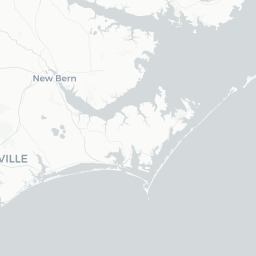
Greenville is the largest city in eastern North Carolina and the seat of Pitt County. Sitting along the Tar River roughly halfway between Raleigh and the Outer Banks coast, it functions as the region's commercial, medical, and educational hub. East Carolina University (ECU), founded in 1907, gives the city a consistent energy and drives much of its cultural life, from performing arts to NCAA athletics.
Despite a population just over 90,000, Greenville punches above its weight in healthcare—ECU Health (formerly Vidant) is one of the largest medical centers in North Carolina—and in college sports. Pirates football and basketball games draw visitors from across the region. The downtown core, centered on Evans Street and the Five Points district, has seen steady reinvestment in restaurants, breweries, and galleries over the past decade.
Greenville is not a major tourist destination in the conventional sense, but it rewards visitors interested in authentic mid-size Southern city life, outdoor recreation along the Tar River, and college-town atmosphere without the crowds of larger university cities.
Before You Go
Visas and Entry
Greenville is a domestic US destination. International travelers entering the United States should check TravelerPulse's Visas section and consult the US Customs and Border Protection website (cbp.gov) and the US embassy or consulate in their home country for current entry requirements.
Climate
Greenville has a humid subtropical climate. Summers (June–August) are hot and humid, with temperatures frequently above 90 °F (32 °C) and afternoon thunderstorms common. Winters are mild by northern standards but can bring occasional freezing rain or light snow. Spring and fall offer the most comfortable conditions for walking and outdoor activities.
What to Pack
- Lightweight, breathable clothing for summer visits; a light jacket for spring and fall evenings
- Rain gear year-round; summer storms can be sudden
- Comfortable walking shoes for the greenway and downtown
- Sunscreen and insect repellent if you plan time outdoors, particularly near the river
Getting There
By Air
The nearest commercial airport is Pitt-Greenville Airport (PGV), which offers limited regional connections; verify current routes and carriers directly with the airport before booking. Raleigh-Durham International Airport (RDU), approximately 90 miles west, provides far more domestic and international flight options. Most visitors flying in use RDU and drive or arrange ground transport from there.
By Car
Greenville is accessible via US-264 from Raleigh to the west and Washington, NC, to the east. US-13 and NC-11 connect it to other parts of eastern North Carolina. Driving is the most practical way to reach the city and to get around once there. Parking is generally available downtown and around ECU, though it can tighten on game days.
By Bus
Greyhound and regional bus services connect Greenville to several North Carolina cities. Verify current schedules and stops at the official Greyhound website or locally, as routes change.
Getting Around
Greenville is a car-dependent city. Most attractions, shopping centers, and restaurants are spread across a suburban-style layout that is difficult to navigate on foot beyond the downtown core and ECU campus areas.
Greenville Area Transit (GREAT) operates local bus routes throughout the city. Routes, schedules, and fares should be confirmed on the City of Greenville's official transportation pages, as service levels can vary. ECU also operates a campus shuttle system for students and visitors.
Rideshare services (Uber and Lyft) operate in Greenville and are often the most convenient option for short trips between specific destinations. Taxis exist but are less prevalent. For those staying downtown, the Five Points area and portions of the Tar River Greenway are walkable.
Things to See & Do
Tar River Greenway
The greenway system follows the Tar River through the city, offering paved paths for walking, running, and cycling. It connects several parks and provides a pleasant outdoor escape close to downtown. Access points are available at multiple trailheads; verify current trail conditions with the City of Greenville Parks and Recreation Department.
ECU Athletics
East Carolina University's Pirates compete in the American Athletic Conference. Football games at Dowdy-Ficklen Stadium and basketball at Minges Coliseum are community events that draw large crowds. Check the ECU Athletics website for schedules and ticket availability.
Greenville Museum of Art
Located on Evans Street downtown, the Greenville Museum of Art (GMA) is a free public museum focusing primarily on North Carolina artists and American art. Hours should be confirmed on the museum's official website before visiting.
Uptown Greenville and Five Points
The city's revitalized downtown area hosts independent restaurants, craft breweries, live music venues, and local shops. The East Carolina Ale House, the Dickinson Avenue corridor, and the Five Points neighborhood are good starting points for an evening out.
ECU Campus
The main ECU campus is worth a walk for visitors interested in collegiate architecture and public green spaces. The Joyner Library and Wright Place area are open to visitors. Check the university's website for any campus events or public programming during your stay.
Food & Drink
Greenville's food scene reflects its identity as both a college town and an eastern North Carolina city. Eastern-style barbecue—whole-hog, vinegar-based—is a regional tradition, and several local establishments have strong followings. Verify current operating hours and locations locally, as independent restaurants can change.
Downtown and the Dickinson Avenue area have the highest concentration of independent dining options, including farm-to-table, international, and casual spots catering to the university community. The Evans Street district has seen new openings in recent years.
Craft beer is a growing part of Greenville's social scene. Several small breweries and taprooms operate downtown. Check local listings or visitor resources for current options, as the landscape evolves. Large chain restaurants and national fast-food options are abundant along Greenville Boulevard and other commercial corridors.
Practical Information
Emergency Services
For emergencies in the United States, dial 911 for police, fire, and medical services. ECU Health Medical Center is a major Level I trauma center located in Greenville.
Money
ATMs are widely available. Credit and debit cards are accepted at virtually all hotels, restaurants, and shops. Some smaller local establishments or food trucks may prefer cash; it is worth carrying a small amount.
Connectivity
Major mobile carriers provide reliable coverage throughout Greenville. Free Wi-Fi is commonly available in hotels, coffee shops, and the ECU campus library.
Useful Contacts
- City of Greenville official site: verify at greenvillenc.gov
- Pitt County Tourism: verify locally for current visitor resources
- ECU campus information: ecu.edu
Safety
Greenville is broadly safe for travelers exercising standard urban awareness. As with any mid-size city, some neighborhoods have higher crime rates than others; staying in well-lit, populated areas—particularly around the university campus and downtown—is advisable after dark.
Traffic on major corridors like Greenville Boulevard and 10th Street can be heavy, particularly around ECU events and during academic-year rush hours. Pedestrians should use marked crossings. During major football game weekends, parking and road congestion near the stadium requires extra planning.
The region is susceptible to tropical weather systems in late summer and fall. Hurricanes and tropical storms occasionally affect eastern North Carolina; monitor the National Weather Service (weather.gov) and local news if traveling during hurricane season (June–November).