Overview
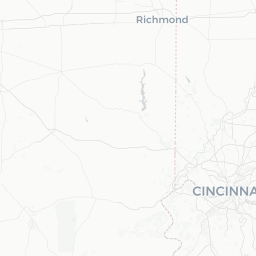
Springfield is a mid-sized city in Clark County, west-central Ohio, situated roughly midway between Columbus and Dayton along Interstate 70. With a population of around 60,000, it is one of the older industrial cities in the state, shaped by manufacturing, agriculture, and a strong regional university presence.
The city rose to prominence in the late 19th and early 20th centuries as a center for farm equipment manufacturing — the International Harvester legacy runs deep here — and that industrial backbone still defines much of the built environment. Visitors today find a city working through post-industrial transition, with a growing arts and cultural scene alongside traditional Midwestern character.
Springfield is not a major tourist destination, but it rewards travelers interested in honest American urban history, affordable outdoor recreation at Buck Creek State Park, and a genuine look at small-city Midwest life. It also serves as a practical base for day trips to Dayton, Columbus, and the broader Ohio countryside.
Before You Go
Visas and Entry
Springfield is a domestic US destination. International travelers should check the TravelerPulse Visas section and the official US Citizenship and Immigration Services (USCIS) website at uscis.gov for current entry requirements before booking travel.
What to Pack
Ohio weather is variable across all four seasons. Summers are warm and humid; winters can bring significant snow and ice. Spring and fall are generally pleasant but changeable. Pack layers if visiting in the shoulder seasons, and bring waterproof footwear for winter or early spring visits.
Connectivity and Services
Major US mobile carriers provide reliable coverage throughout the city. Pharmacies, grocery stores, and urgent-care clinics are present in standard Midwestern suburban retail corridors. Most restaurants and accommodations accept major credit cards.
Getting There
By Air
Springfield does not have scheduled commercial airline service. The nearest major airports are John Glenn Columbus International Airport (CMH), approximately 45 miles east, and Dayton International Airport (DAY), approximately 25 miles southwest. Both are served by major US carriers. Car rental is available at each airport and is the most practical option for reaching Springfield.
By Car
Interstate 70 passes directly through Springfield, making it straightforward to reach by road from Columbus, Dayton, Indianapolis, and beyond. US Route 40 (the historic National Road) also runs through the city for those preferring a slower, more scenic approach.
By Bus
Greyhound and some regional intercity bus services connect Springfield to larger Ohio cities, though schedules and routes can change. Verify current options directly with carriers before travel.
Getting Around
A personal vehicle is the most practical way to get around Springfield. The city is spread out in a typical Midwestern suburban pattern, and most attractions, parks, and restaurants require driving between them.
The Springfield City Area Transit (SCAT) operates local bus routes covering key corridors within the city. Route maps and schedules are available through the city's official transit office — verify current service locally, as routes and hours can change.
Rideshare services (Uber, Lyft) operate in Springfield, though driver availability may be more limited than in larger metro areas, particularly late at night or during poor weather.
Where to Stay
Accommodation in Springfield consists primarily of national mid-range and budget hotel and motel chains concentrated near the I-70 interchange corridors. Options are functional and affordable rather than distinctive. Travelers seeking boutique or upscale lodging will find more choices in Dayton or Columbus.
For longer stays or families, vacation rental platforms list houses and apartments in the area. Buck Creek State Park also operates a campground for those preferring an outdoor stay — reservations are recommended in summer and should be made through the ODNR reservation system.
Verify current rates and availability directly with properties or booking platforms, as the local hospitality landscape can shift.
Things to See & Do
Buck Creek State Park
The most popular outdoor destination in the area, Buck Creek State Park sits on the shore of C.J. Brown Reservoir on the eastern edge of the city. It offers swimming, boating, fishing, hiking trails, and a campground. Conditions and seasonal facility hours should be confirmed with the Ohio Department of Natural Resources (ODNR) before visiting.
Wittenberg University
This private liberal arts university, founded in 1845, has an attractive campus worth a walk. It hosts public events, performances, and sports throughout the academic year — check Wittenberg's official site for a current calendar.
Springfield Museum of Art
Located on Cliff Park Road, the Springfield Museum of Art maintains a permanent collection with American and European works and hosts rotating exhibitions. Verify current hours and admission fees directly with the museum.
Westcott House
Designed by Frank Lloyd Wright and completed in 1908, the Burton J. Westcott House is a nationally significant example of Prairie Style architecture. The property has undergone restoration and is open for tours — check westcotthouse.org for current tour availability and booking.
Clark County Historical Society / Heritage Center
The Heritage Center of Clark County documents the region's history from early settlement through its industrial peak. It is a useful stop for understanding the city's context before exploring further.
Food & Drink
Springfield's dining scene is largely composed of locally owned diners, casual American restaurants, and regional chain outposts. The city does not have a standout culinary destination identity, but solid, affordable everyday eating is easy to find.
The North Fountain area and parts of downtown have seen some revitalization, with a modest cluster of independent restaurants and cafes. For more variety, the Dayton and Columbus metro areas are both within an hour's drive.
- Breakfast and diners: Classic Midwestern diner culture is well represented; look for locally owned spots downtown and along major commercial corridors.
- Craft beer: A small but present craft beverage scene exists; verify which local taprooms are currently operating before visiting.
- Grocery and self-catering: Several major grocery chains operate in Springfield for travelers preferring to self-cater.
Practical Information
Emergency Services
Dial 911 for all police, fire, and medical emergencies anywhere in the United States.
Hospitals
Springfield is served by Mercy Health — Springfield Regional Medical Center, a full-service hospital. Additional urgent-care clinics operate throughout the city for non-emergency medical needs.
Money
ATMs are widely available at banks and major retailers. Credit and debit cards are accepted nearly everywhere. There is no need to carry large amounts of cash.
Tipping
Standard US tipping norms apply: 18–20% at sit-down restaurants, $1–2 per drink at bars, and discretionary amounts for other service providers.
Taxes
Ohio state sales tax applies to most purchases, and Clark County may add a local surcharge. Hotel stays include additional lodging taxes. Verify current rates locally.
Safety
Like many post-industrial American cities, Springfield has neighborhoods with varying levels of economic distress, and some areas have elevated property and violent crime rates relative to national averages. Visitors staying near major hotels and spending time in the university district, state park, and established commercial areas generally encounter few issues.
Standard urban precautions apply: be aware of your surroundings, avoid leaving valuables visible in parked vehicles, and consult locals or your accommodation about which areas to exercise additional caution in after dark. The city is not considered a high-risk destination for travelers, but it is worth approaching with the same situational awareness you would bring to any unfamiliar American city.