Overview
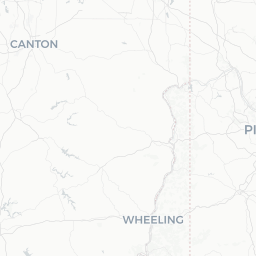
Bobtown is a small unincorporated community in Dunkard Township, Greene County, in the far southwestern corner of Pennsylvania. With a population of roughly 750 people, it sits near the West Virginia border and reflects the region's deep ties to coal mining and Appalachian rural life.
The surrounding Greene County landscape is characterized by rolling hills, creek hollows, and working farmland. Visitors who find themselves here are typically passing through on their way to larger Greene County destinations, exploring regional heritage, or seeking quiet countryside well off the tourist trail.
Bobtown itself has no significant commercial district or major attractions of its own, but it serves as a quiet, authentic window into small-town southwestern Pennsylvania — a part of the state that sees far fewer visitors than Philadelphia or Pittsburgh and rewards those curious enough to explore it.
Before You Go
Bobtown is in the United States, so travelers arriving from abroad should check entry requirements for the US. For visa guidance, visit TravelerPulse's Visas section and consult the official US Customs and Border Protection website (cbp.gov) or the US Department of State.
What to Expect
- This is a rural community with very limited services. Do not expect restaurants, gas stations, or lodging within Bobtown itself.
- Mobile coverage can be patchy in Greene County hollows; download offline maps before you arrive.
- A personal vehicle is essentially required — there is no meaningful public transit serving this area.
- Bring any supplies, medications, or specialty items from a larger town before heading out.
Getting There
Bobtown sits roughly 60–70 miles south of Pittsburgh, making Pittsburgh International Airport (PIT) the practical gateway for air travelers. From Pittsburgh, the drive via US-19 south and local roads through Greene County takes approximately 1.5 to 2 hours depending on your exact route.
Morgantown, West Virginia (home to West Virginia University) lies across the state line and is another reasonable reference point — Bobtown is roughly 20–25 miles north of Morgantown, making WV's regional airport (MGW) worth checking for travelers coming from the south or east.
There is no intercity bus or rail service to Bobtown or the immediate vicinity. Renting a car is strongly recommended; verify current road conditions on Pennsylvania 511 (511pa.com) before travel, particularly in winter months when rural Greene County roads can become difficult.
Getting Around
Personal vehicle is the only practical means of getting around Bobtown and the surrounding area. Roads are mostly two-lane rural routes through hilly terrain.
- Fuel up before leaving a larger town such as Waynesburg (the Greene County seat, about 10 miles north) — services are sparse in the Dunkard Township area.
- Greene County roads can be narrow and winding; take them at an appropriate pace, especially after rain.
- There are no ride-share services reliably operating in this area; verify locally if you need one.
Where to Stay
There are no known lodging options within Bobtown itself. The closest reliable accommodation base is Waynesburg, the Greene County seat, which has a small selection of chain motels and independent lodgings — verify current availability on booking platforms before your trip.
Morgantown, WV (approximately 20–25 miles south) offers a wider range of hotels at various price points given its university-town status and is worth considering as a base if you plan to explore both sides of the state line.
Ryerson Station State Park offers camping; check dcnr.pa.gov for current reservation procedures and site availability.
Things to See & Do
Bobtown itself has no formal visitor attractions. The appeal of this corner of Pennsylvania lies in the broader Greene County and Monongahela River Valley landscape.
Nearby Natural and Heritage Draws
- Ryerson Station State Park (Greene County) offers hiking, fishing, and camping in a quiet Appalachian setting — verify current amenities and hours at dcnr.pa.gov before visiting.
- Dunkard Creek and its tributaries wind through the local landscape and attract anglers; check Pennsylvania Fish & Boat Commission regulations before fishing.
- The broader Greene County countryside is worth exploring by car for its Appalachian character, old farm structures, and creek-bottom roads.
- History enthusiasts may find Greene County's coal and agricultural heritage of interest; the Greene County Historical Society in Waynesburg maintains local archives and a museum — contact them directly for current hours and programming.
This is genuinely off-the-beaten-path territory. Travelers who enjoy slow, exploratory drives through rural Appalachia and are not reliant on conventional tourism infrastructure will find it most rewarding.
Food & Drink
There are no restaurants or food establishments in Bobtown proper. Waynesburg, roughly 10 miles to the north, is the nearest town with a meaningful range of dining options, grocery stores, and fast-food outlets.
Travelers should plan meals accordingly — stock up in Waynesburg or another Greene County town before heading into the Dunkard Township area. Morgantown, WV, just across the state line, also provides a full range of dining and grocery options for those approaching from the south.
Practical Information
Emergency Services
- For any emergency in Pennsylvania, dial 911.
- Greene County's emergency services are headquartered in Waynesburg. Response times in rural areas can be longer than in urban settings — exercise appropriate caution in outdoor activities.
Connectivity and Utilities
- Cell service is inconsistent throughout rural Greene County. Download maps, directions, and any needed information before leaving a town with reliable signal.
- Fuel, ATMs, and banking services are available in Waynesburg; plan ahead.
Weather
- Summers are warm and humid; winters can bring significant snow and ice to this hilly terrain. Spring and fall are generally pleasant but can be wet.
- Check the National Weather Service (weather.gov) for current conditions, particularly before winter travel on rural roads.
Safety
Bobtown and Greene County are generally safe, low-crime rural areas. Standard rural travel precautions apply.
- Rural roads can be hazardous in wet or icy conditions; drive cautiously.
- If hiking or exploring creek areas, be aware of seasonal flooding potential and check conditions locally.
- Wildlife encounters (deer on roads, black bears in the broader region) are possible — remain alert while driving, especially at dawn and dusk.
- Let someone know your plans if you intend to explore remote areas without reliable cell coverage.