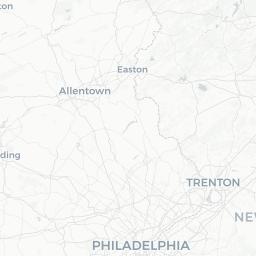
Overview
Schuylkill is a small, densely residential neighborhood and designated place within Philadelphia County, Pennsylvania, situated along the eastern bank of the Schuylkill River. With a recorded population of under 2,000, it is one of the more compact communities in the region and is often understood in the context of greater Philadelphia rather than as a standalone tourist destination.
The area takes its name from the Schuylkill River, a name derived from Dutch meaning roughly "hidden creek" — a reference to the river's early navigational obscurity. The river itself has played a central role in the industrial and cultural history of Philadelphia and the surrounding region, from powering 18th-century mills to hosting world-class rowing competitions today.
Most visitors to this area are either passing through Philadelphia, exploring the Schuylkill River Trail, or seeking a quieter residential pocket close to Center City. Its coordinates place it firmly within the urban fabric of Philadelphia, making it walkable and well-connected to the broader metropolitan area.
Getting There
Because Schuylkill sits within Philadelphia's city limits, the primary arrival point for most travelers is Philadelphia International Airport (PHL), located roughly 7–9 miles southwest of the area. Ground transportation from PHL includes SEPTA rail service (the Airport Line), taxis, and rideshare services.
For those arriving by train, 30th Street Station — one of Amtrak's busiest intercity hubs — is within close proximity, serving routes along the Northeast Corridor and beyond. SEPTA Regional Rail lines also terminate at or pass through 30th Street Station, connecting the neighborhood to suburbs throughout the region.
By road, Interstate 76 (the Schuylkill Expressway) and Interstate 676 provide access from surrounding counties and states. Street parking within the neighborhood is limited; travelers arriving by car should verify current parking availability or consider a garage in nearby Center City.
Getting Around
SEPTA — the Southeastern Pennsylvania Transportation Authority — operates bus, subway, and regional rail services throughout Philadelphia, all of which are accessible from or near Schuylkill. Verify current routes, schedules, and fare information at septa.org before travel.
The Schuylkill River Trail runs along the riverbank and is a popular corridor for cyclists, joggers, and pedestrians. It connects to a broader regional trail network, making non-motorized travel practical for those exploring the waterfront.
Rideshare services (Uber, Lyft) and traditional taxis are widely available throughout Philadelphia and are a convenient option for reaching specific destinations. The neighborhood's location near Center City also makes walking to many points of interest feasible, depending on your starting point.
Things to See & Do
Schuylkill River Trail
The paved multi-use trail stretching along the river is the most tangible attraction for visitors in this area. The trail connects to Fairmount Park to the north and runs southward toward the Navy Yard, offering scenic river views, access to boathouses, and connections to Philadelphia's larger park system. It is free to use and open to walkers, runners, and cyclists.
Boathouse Row
Just north of the area, Boathouse Row is a nationally recognized historic landmark and the home base of Philadelphia's rowing clubs. The Victorian-era boathouses are particularly striking when illuminated at night and can be viewed from the trail or from across the river near the Philadelphia Museum of Art.
Fairmount Park
One of the largest urban park systems in the United States, Fairmount Park is directly accessible from the Schuylkill River Trail. It encompasses meadows, woodlands, historic mansions, and recreational facilities. Entry to park grounds is free; some historic houses charge admission — verify current fees locally.
Proximity to Philadelphia Attractions
Schuylkill's location makes it a practical base for visiting the Philadelphia Museum of Art, Eastern State Penitentiary, the Please Touch Museum, and other institutions within the broader city.
Food & Drink
Schuylkill itself is primarily residential and does not have a significant independent dining or bar scene. Visitors should expect to travel a short distance into neighboring Philadelphia districts — such as Fitler Square, Graduate Hospital, or Center City — for a wider range of restaurant and café options.
The broader Philadelphia area is well regarded for its diverse food culture, from classic Philadelphia cheesesteaks and hoagies at local shops to a growing number of nationally recognized restaurants. Specific recommendations should be verified through current review platforms, as the restaurant landscape changes frequently.
Grocery options and everyday food shopping are available at retailers in adjacent neighborhoods. Visitors staying in the area should confirm nearby store locations upon arrival.
Practical Information
Emergency Services
For any emergency in the United States, dial 911. This connects to police, fire, and emergency medical services.
Visas
Entry requirements vary depending on your country of citizenship. For general context, the US operates a visa and visa-waiver system (ESTA for eligible nationals). For accurate, up-to-date requirements, check TravelerPulse's Visas section and consult the official US Customs and Border Protection or Department of State websites before travel.
Health & Connectivity
Philadelphia has multiple hospitals and urgent care facilities. The neighborhood is covered by standard US mobile networks. Tap water throughout Philadelphia meets federal drinking water standards, though you should verify if you have specific health concerns.
Accessibility
The Schuylkill River Trail has paved surfaces suitable for wheelchairs and strollers along most sections, though some stretches may vary. Verify accessibility details for specific attractions locally or through the managing organization's website.
Safety
Schuylkill is a residential neighborhood within the city of Philadelphia. As with any urban area, travelers should exercise standard precautions: be aware of your surroundings, keep valuables secure, and avoid poorly lit or isolated areas at night.
Philadelphia, like most large American cities, has neighborhoods with varying safety profiles. Consult current local advisories and exercise judgment when exploring beyond familiar areas, particularly after dark. The Schuylkill River Trail is generally well-used during daylight hours, which contributes to a sense of safety along the waterfront corridor.
For non-emergency police matters in Philadelphia, you can contact the Philadelphia Police Department's non-emergency line — verify the current number through official city sources before your trip.