Translate
Overview
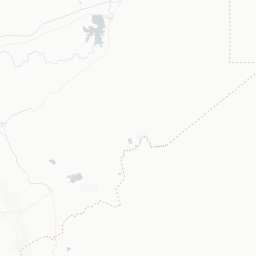
Rio Hondo is a small city of roughly 2,400 people situated in Cameron County, in the southernmost tip of Texas known as the Rio Grande Valley. Positioned between Harlingen and Brownsville, it sits at the heart of one of the most ecologically significant regions in North America — a subtropical corridor where the United States and Mexico share river, wildlife, and culture.
The town itself is quiet and residential, but its surroundings punch well above their weight for outdoor travelers. The nearby network of World Birding Center sites and the Lower Rio Grande Valley National Wildlife Refuge draw visitors from across the country. Resaca-lined farmland, citrus groves, and warm winters make it an appealing stop for those exploring the Valley at a relaxed pace.
Rio Hondo does not have a large tourist infrastructure, which is part of its appeal for travelers seeking an authentic, unhurried experience rather than a resort atmosphere. Services are limited, so planning ahead is advisable.
Before You Go
Visas and Entry
Rio Hondo is a domestic US destination. International travelers should check TravelerPulse's Visas section and consult the US Customs and Border Protection website for current entry requirements before traveling.
Proximity to the Border
Brownsville, a major port of entry to Mexico, is roughly 25 miles to the southeast. Travelers planning cross-border day trips should carry valid identification and verify current crossing requirements and wait times before going.
What to Pack
- Lightweight, breathable clothing for most of the year; a light jacket for winter evenings
- Sunscreen and insect repellent — mosquitoes can be active near resacas and wetlands
- Binoculars if you plan to birdwatch
- Cash — some local businesses and farmstands may not accept cards
Health Considerations
Summer heat and humidity in the Valley can be intense. Stay hydrated, limit midday outdoor exposure from June through September, and wear sun protection.
Getting There
By Air
The nearest commercial airport is Valley International Airport (HRL) in Harlingen, approximately 10 miles northwest of Rio Hondo. It offers regional connections and some direct flights to major Texas hubs. Brownsville South Padre Island International Airport (BRO) is another option about 25 miles to the southeast. Verify current routes and schedules directly with airlines or airports.
By Car
Rio Hondo is most easily reached by car. US Highway 83 and State Highway 345 pass through or near the city, connecting it to Harlingen, San Benito, and Brownsville. Most visitors drive, as the region's attractions are spread across a wide rural area.
By Bus
Regional bus service operates through the Rio Grande Valley; verify current routes and stops with local providers such as Valley Metro. Long-distance bus service is available in Harlingen and Brownsville.
Getting Around
A personal vehicle is effectively necessary to explore Rio Hondo and the surrounding region. Public transportation within and between small Valley towns is limited, and key outdoor sites are not walkable from the town center.
Harlingen and Brownsville are short drives away for additional services, dining, and accommodation options. Roads in the area are generally flat and well-maintained, making driving straightforward. Fuel up before heading to more rural wildlife refuge areas, as stations can be sparse.
Things to See & Do
Birding and Wildlife
Rio Hondo sits within one of the top birding regions in the United States. The Lower Rio Grande Valley hosts hundreds of bird species, including many found nowhere else in the country. Resaca de la Palma State Park, part of the World Birding Center network, is located just southeast of Rio Hondo near Brownsville and is a standout destination for birders and nature photographers. Verify current park hours and access fees with Texas Parks and Wildlife before visiting.
Resacas and Natural Areas
Resacas — oxbow lakes formed by ancient Rio Grande channels — define the landscape of Cameron County. They provide habitat for waterbirds and are scenic in their own right. Several resacas are visible from local roads and accessible green areas.
Exploring the Rio Grande Valley
Rio Hondo makes a practical base for day trips to:
- Harlingen — arts center, Iwo Jima Memorial replica, and the Rio Grande Valley Wing Flying Museum (verify hours locally)
- South Padre Island — beaches and sea turtle conservation center, about 40 miles east
- Santa Ana National Wildlife Refuge — premier birding refuge to the northwest
- Brownsville — border city with markets, historic downtown, and the Gladys Porter Zoo (verify fees and hours)
Food & Drink
Rio Hondo has a modest local dining scene typical of small Valley towns. Tex-Mex cuisine — tacos, tamales, menudo, and carne guisada — is the dominant culinary tradition and is available at local taquerias and family restaurants. Tortillerias, where fresh tortillas are made daily, are a regional staple worth seeking out.
For a broader range of restaurants and grocery options, Harlingen is the most convenient larger city nearby. The region is also known for its citrus; roadside stands selling Ruby Red grapefruit, oranges, and other local produce appear seasonally, particularly in winter months.
Alcohol availability can vary; Texas has a patchwork of wet and dry sales rules at the county and city level — verify locally if this matters to your plans.
Practical Information
Emergency Services
For emergencies in the United States, dial 911.
Connectivity
Cell coverage from major US carriers is generally available in Rio Hondo and along main roads, though it can be spotty in more rural and refuge areas.
Banking and ATMs
Banking services are limited within Rio Hondo itself. Harlingen has a wider range of bank branches and ATMs. Carrying some cash is advisable for local businesses and farmstands.
Useful Tips
- Spanish is widely spoken throughout the Valley; basic Spanish phrases are helpful and appreciated
- The Valley operates on Central Time
- Summers are hot and humid; plan outdoor activities for early morning or late afternoon
- Check for local festivals and events — the Valley has an active community calendar that can add context to a visit
Safety
Rio Hondo is a small, quiet community and is generally considered safe for travelers. As with any travel in areas close to an international border, it is sensible to be aware of your surroundings and follow guidance from local authorities.
The US Department of State publishes travel advisories for Mexico; if you plan any cross-border travel to Tamaulipas (the Mexican state across from this part of the Valley), review current advisories before going. Border crossing infrastructure in this region is well-established, but conditions and wait times vary.
Outdoor visitors should be mindful of heat, hydration, and wildlife — including the occasional venomous snake species present in South Texas brush and wetland habitats.