Overview
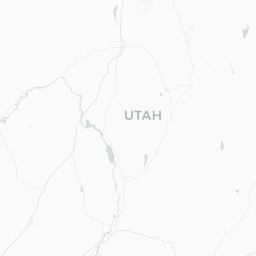
Vineyard is a small, fast-growing city situated on the eastern shore of Utah Lake in Utah County, roughly 40 miles south of Salt Lake City. Despite a modest population, it has seen significant residential and commercial development in recent years, attracting families and commuters drawn to its lakeside setting and proximity to larger neighboring cities like Provo and Orem.
The city sits at roughly 4,500 feet elevation on a relatively flat bench between Utah Lake to the west and the Wasatch Front foothills to the east. The surrounding landscape gives visitors easy visual access to the mountains while remaining close to water. It is not a traditional tourist destination, but it functions well as a quiet, affordable base for travelers exploring the broader Utah Valley region.
Because Vineyard is primarily a residential community, most dining, entertainment, and cultural attractions require short drives to neighboring cities. Travelers who do visit tend to be drawn by Utah Lake access, connections to regional trails, or simply the convenience of the location between major Wasatch Front corridors.
Getting There
By Air
The nearest major airport is Salt Lake City International Airport (SLC), approximately 45–50 miles north. Provo Municipal Airport (PVU) is closer—roughly 10–15 miles south—and serves limited regional routes; verify current carriers and routes before planning.
By Car
Vineyard is accessible via Interstate 15. Exit options near the city connect to Geneva Road (US-89) and local streets. A personal vehicle or rental car is strongly recommended, as the city and its surroundings are not well-served by walking or cycling infrastructure for longer distances.
By Train
FrontRunner commuter rail, operated by Utah Transit Authority (UTA), has a station in the Vineyard/Geneva area. This provides a direct connection northward to Salt Lake City and southward toward Provo. Check UTA's official website for current schedules and fares, as service details change.
By Bus
UTA bus routes serve parts of the area, though coverage can be limited depending on your specific destination within the city. Verify current routes on the UTA website or app before relying on bus service.
Getting Around
A personal vehicle is the most practical way to get around Vineyard and the wider Utah Valley. Roads are generally well-maintained, parking is typically plentiful, and distances between points of interest often exceed comfortable walking range.
UTA FrontRunner and local bus lines offer public transit options, but they are better suited for commuting corridors than for sightseeing. Ride-hailing services (such as Uber and Lyft) are available in the area, though wait times may be longer than in a larger urban center.
Some areas near the lakefront and along developing corridors have pedestrian paths and bike-friendly infrastructure, but cycling between Vineyard and neighboring cities like Provo or Orem is best planned using dedicated trail maps. The Provo River Trail and regional path networks are accessible from the broader area.
Where to Stay
Vineyard does not currently have a significant hotel inventory of its own. Most travelers choose to stay in neighboring Orem or Provo, where a full range of accommodation types—from budget motels to mid-range national chain hotels and a small number of higher-end options—are available. Short-term rental platforms list properties within Vineyard itself, which can be a practical choice for families or longer stays given the residential character of the city.
When booking accommodation, consider your primary reason for visiting the region. If Utah Lake access is key, searching for rentals specifically in Vineyard or along the western Orem/Provo corridor makes sense. If BYU, Provo's downtown, or mountain recreation is the priority, staying closer to Provo may be more convenient. Verify all accommodation details directly with providers, as the city's development means the lodging landscape is actively changing.
Things to See & Do
Utah Lake
Vineyard's most distinctive natural asset is its position along Utah Lake, the largest freshwater lake by surface area in Utah. The lake offers fishing (verify current licensing requirements with the Utah Division of Wildlife Resources), non-motorized boating, birdwatching, and occasional kayaking. Utah Lake State Park, located a short drive away near Provo, provides more developed lake access including boat ramps. Water quality and conditions on the lake can vary significantly by season; check local advisories before swimming or prolonged water contact.
Regional Trails
The broader Utah Valley trail network is accessible from Vineyard, including segments connecting toward the Provo River Parkway and various mountain trailheads in the Wasatch foothills. These trails are popular with walkers, cyclists, and runners.
Nearby Attractions
Vineyard's strongest draw for visitors is its proximity to a range of Utah County attractions: Brigham Young University's campus and museum in Provo, Sundance Mountain Resort in the canyon above, and the hiking trails of American Fork Canyon are all within reasonable driving distance. The city itself has limited standalone attractions beyond its natural setting.
Food & Drink
Vineyard's food and beverage scene is still developing alongside its rapid residential growth. The city has a growing number of casual dining options, fast food, and chain restaurants, particularly along commercial corridors near major roads. For a broader restaurant selection—including locally owned establishments, diverse cuisines, and dining experiences—neighboring Orem and Provo are only a short drive away and offer considerably more variety.
Utah has specific alcohol regulations that differ from most U.S. states. Restaurants must hold appropriate licensing to serve beer, wine, or spirits; some establishments are dry. Bars exist but operate under different rules than in many other states. Travelers unfamiliar with Utah's liquor laws should expect some differences from other American cities and verify locally what is available at any given establishment.
Grocery stores and convenience options are present in and around the city, making self-catering a practical choice for those staying in rental properties or extended-stay accommodations.
Practical Information
Visas & Entry
Vineyard is within the United States. Entry requirements depend on your nationality. For accurate, up-to-date information, visit TravelerPulse's Visas section and consult the official U.S. Customs and Border Protection or Department of State websites.
Money
The US Dollar is the local currency. ATMs are available in nearby commercial areas. Credit and debit cards are widely accepted. Verify exact locations of ATMs if you require cash.
Climate
Vineyard has a semi-arid climate with four distinct seasons. Summers (June–August) are warm and dry, with temperatures commonly in the 85–100°F (29–38°C) range. Winters bring cold temperatures and occasional snow, though valley snowfall is generally lighter than in the nearby mountains. Spring and fall are mild and pleasant.
Connectivity
Mobile coverage from major U.S. carriers is generally reliable in the Vineyard area. Wi-Fi is available at most accommodations and many commercial establishments.
Emergency Services
For emergencies in the United States, dial 911. This connects to police, fire, and medical services.
Safety
Vineyard is a primarily residential community and is considered a safe area by general standards. Visitors should observe standard travel precautions: secure valuables in vehicles, be aware of surroundings, and follow posted rules at natural areas including the lakefront.
Utah Lake itself carries some safety considerations. Algal blooms (including potentially toxic cyanobacteria) have been documented on the lake in warmer months. Before any water contact, check current advisories from Utah County or the Utah Department of Environmental Quality. The lake's shallow, wind-affected waters can also make boating conditions change quickly.
Outdoor recreation in the broader Wasatch Front area involves standard mountain and desert safety awareness: sun protection, adequate water, weather monitoring, and appropriate footwear for trail conditions.