Overview
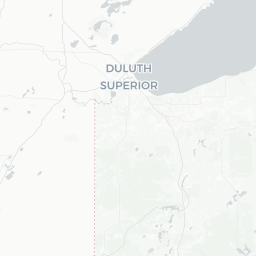
Superior sits at the southwestern tip of Lake Superior in Douglas County, Wisconsin, directly across the St. Louis River estuary from Duluth, Minnesota. The twin cities share one of the largest freshwater ports in the world, and the working waterfront remains central to Superior's identity — grain elevators, ore docks, and vessel traffic are visible fixtures of everyday life here.
With a population of around 26,000, Superior is a small, unhurried city that rewards visitors interested in Great Lakes maritime heritage, outdoor recreation, and the unpretentious character of a working-class port town. It is often overshadowed by its larger neighbor Duluth, but that relative quietness is part of its appeal — prices tend to be lower, crowds thinner, and the pace noticeably more relaxed.
The city sits at the edge of the vast northern Wisconsin lake country, meaning forests, rivers, waterfalls, and trails are within a short drive. The Amnicon Falls State Park, the Brule River corridor, and the broader Lake Superior South Shore all start effectively at Superior's doorstep.
Before You Go
Superior is a domestic US destination, so US citizens need no special documentation. International travelers entering the United States should check TravelerPulse's Visas section and consult the official US Customs and Border Protection website for current entry requirements, as rules vary significantly by nationality.
Weather varies dramatically by season. Summers (June–August) are pleasant, with daytime temperatures typically in the 70s°F (low-to-mid 20s°C), though Lake Superior keeps the immediate shoreline noticeably cooler than inland areas. Winters are long and cold, with heavy lake-effect snow possible and temperatures frequently dropping well below freezing. Pack layers regardless of season — lake winds can make any month feel cooler than expected.
- Travel insurance: Standard US travel insurance recommendations apply; verify coverage for any outdoor activities planned in the region.
- Cell coverage: Major US carriers provide reliable coverage in the city; coverage can be spotty in surrounding rural and forested areas.
- Driving: A car is strongly recommended. Public transportation options are limited, and many of the surrounding natural attractions are only accessible by road.
Getting There
By Air
The nearest commercial airport with regular scheduled service is Duluth International Airport (DLH), located roughly 5–10 miles from central Superior across the bridge in Minnesota. Travelers from major US hubs may also consider flying into Minneapolis–Saint Paul International Airport (MSP), which is approximately 155 miles southwest — a manageable drive but worth factoring into your itinerary planning.
By Car
Superior is accessible via US Highway 2 and US Highway 53, which converge in the city. Interstate 35 terminates in Duluth and connects easily to Superior via the Richard I. Bong Memorial Bridge or the John Blatnik Bridge. Driving from Minneapolis takes roughly 2.5 to 3 hours depending on traffic and route.
By Bus
Greyhound and Jefferson Lines serve the Duluth-Superior area; verify current routes and stops on their official websites, as schedules and terminal locations can change. There is no passenger rail service directly to Superior.
Getting Around
A personal vehicle or rental car is the most practical way to get around Superior and to reach nearby natural attractions. The city's street grid is straightforward and parking is generally easy to find.
The Superior-Duluth area is linked by two major bridges — the Blatnik Bridge (US-2/US-53) and the Bong Memorial Bridge (US-2/US-535) — so moving between the two cities is quick, usually under 10 minutes under normal conditions. This connectivity means visitors can conveniently access Duluth's Canal Park, restaurants, and cultural venues as an extension of any Superior visit.
Rideshare services (Uber and Lyft) operate in the area, though availability can be limited compared to larger metro areas, especially late at night. Verify locally for current coverage. Bicycling is feasible within parts of the city, and the Osaugie Trail offers a scenic lakeside route along the Superior waterfront.
Where to Stay
Accommodation in Superior itself is limited primarily to national chain motels and a small number of independent properties along major highway corridors. Options expand considerably if you include Duluth in your search, which is practical given the short bridge crossing.
For visitors who want to be closer to natural attractions east of the city, there are also campgrounds and cabins along the Lake Superior South Shore corridor toward Ashland and the Apostle Islands area. Amnicon Falls State Park has a campground — verify availability and reservations through the Wisconsin DNR's reservation system.
Book accommodations in advance during peak summer weekends and during major Duluth-area events, as both cities' lodging stock can fill quickly. Verify rates and availability directly with properties or through standard booking platforms.
Things to See & Do
Barker's Island
Barker's Island is a peninsula jutting into the harbor and serves as one of Superior's main recreational hubs. It hosts a marina, a small beach, and walking paths with views of the working port and the Duluth skyline. The SS Meteor Maritime Museum — the last surviving whaleback ship, a distinctive Great Lakes cargo vessel design — is berthed here. Verify current operating hours and admission fees on the museum's official site before visiting.
Richard I. Bong Veterans Historical Center
This museum honors World War II ace pilot Richard Bong, a Superior native and the United States' highest-scoring fighter pilot. The center includes a P-38 Lightning aircraft and exhibits on the Pacific air war. Confirm current hours and admission directly with the center.
Wisconsin Point
A long natural sand spit extending into Lake Superior, Wisconsin Point is one of the largest freshwater sandbars in the world. It offers undeveloped beach walking, birdwatching (particularly during migration seasons), and sweeping views of the lake and harbor entrance. Access is free; the area is managed as a natural preserve.
Amnicon Falls State Park
About 12 miles east of Superior on US-2, Amnicon Falls State Park features a series of waterfalls and cascades on the Amnicon River, connected by a historic covered bridge. It is a popular stop for picnicking, swimming, and short hikes. A Wisconsin State Park sticker or day pass is required for vehicle entry — verify current fees with the Wisconsin DNR.
Osaugie Trail
This paved multi-use trail follows the waterfront of Superior and connects Barker's Island with other points along the bay. It is suitable for walking, cycling, and inline skating, and provides consistent views of Great Lakes vessel traffic.
Food & Drink
Superior's dining scene is modest in scale and leans toward casual, family-friendly establishments — diners, taverns, pizza places, and a handful of bar-and-grill spots. The city has no significant fine-dining cluster, but honest, filling meals at reasonable prices are easy to find.
Given its working-class port heritage, neighborhood bars (locally called "corner bars" throughout Wisconsin) are a social institution. Many serve basic food alongside regional tap beers. The broader Duluth-Superior area has a growing craft brewery presence; crossing to Duluth opens up more options in this regard.
Fresh local fish — particularly whitefish and walleye from Lake Superior and regional lakes — appears on some local menus, though availability varies by season. For a broader restaurant selection, Duluth's Canal Park and downtown areas are a short drive across the bridge.
- Grocery and provisions: Several regional grocery chains operate in Superior for self-catering needs.
- Verify locally: Specific restaurant names and hours change frequently in small cities; checking Google Maps or Yelp closer to your visit will give the most accurate current picture.
Practical Information
- Emergency services: Dial 911 for police, fire, and medical emergencies throughout the United States.
- Hospitals: Essentia Health–St. Mary's Hospital–Superior provides local hospital services; for more specialized care, Duluth has larger medical facilities. Verify current locations and hours locally.
- Time zone: Central Time (CT) — UTC−6 standard, UTC−5 daylight saving. Note that Duluth, Minnesota (directly across the bridge) is in the same time zone.
- Tipping: Standard US tipping norms apply — 15–20% at restaurants, $1–2 per drink at bars, and similar conventions for other service industries.
- Sales tax: Wisconsin state sales tax applies to most purchases; verify the current rate as it may include local additions.
- Wi-Fi: Available at most lodging properties and many cafes; public library branches typically offer free Wi-Fi access.
Safety
Superior is a small, generally low-key city. Most visits are uneventful from a safety standpoint. Standard urban precautions — awareness of your surroundings, securing valuables in vehicles, and avoiding poorly lit areas late at night — are sufficient.
Outdoor safety is a more relevant consideration for many visitors. Lake Superior is cold year-round, with water temperatures that can remain dangerously low even in summer. Swimming should be approached cautiously, rip currents can occur along open shoreline, and sudden weather changes on the lake are possible. Heed any posted warnings at beaches and natural areas.
Winter driving in the region can be hazardous. Snow and ice accumulate significantly from November through March or April. Ensure any rental vehicle is equipped for winter conditions, and check road conditions via the Wisconsin DOT's official traffic information resources before driving in marginal weather.