Overview
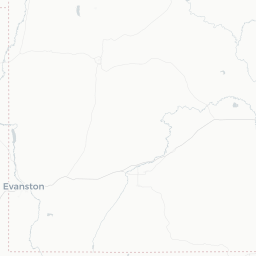
Big Piney is a small ranching town in Sublette County, southwestern Wyoming, situated in the upper Green River Basin at roughly 6,800 feet elevation. With a population of just over 500, it functions primarily as a service center for the surrounding ranches, energy workers, and outdoor recreationists passing through or heading into the Wyoming Range to the west.
The town sits alongside State Highway 189/191, making it a logical stop on a longer drive through this part of the state. The landscape here is high-desert sagebrush transitioning to forested mountain terrain — open, windy, and striking in its scale. Visitors who stop long enough tend to be drawn by hunting, fishing, snowmobiling, or simply the experience of a genuine, working Wyoming ranching community.
Big Piney and its immediate neighbor Marbleton (about two miles north) together form the functional core of this part of Sublette County. Expect limited commercial amenities and plan accordingly.
Before You Go
Big Piney is a remote, high-elevation town. Self-sufficiency is important — fuel up reliably, carry cash as backup, and don't count on consistent cell coverage once you leave the main corridor. Check weather conditions carefully before any backcountry excursion; snowstorms can arrive with little warning even in late spring or early fall.
Visas
For entry into the United States, visa requirements vary by nationality. Check TravelerPulse's Visas section and consult the official U.S. Citizenship and Immigration Services (USCIS) website or the nearest U.S. embassy or consulate for current requirements.
Elevation
At approximately 6,800 feet, some visitors — particularly those arriving from sea level — may notice mild altitude effects such as headaches or fatigue in the first day or two. Stay hydrated and avoid overexertion on arrival.
Getting There
Big Piney has no commercial air service. The nearest airports with scheduled commercial flights are Rock Springs–Sweetwater County Airport (approximately 80 miles south) and Jackson Hole Airport (approximately 100 miles north via US-189/191), though Jackson's airport is expensive and serves a high-demand tourism market. Salt Lake City International Airport (roughly 250 miles south) offers the broadest range of flights and is a common choice for visitors renting a vehicle.
Driving is the practical way to reach Big Piney. US-189/191 is the main route through town, connecting it to Rock Springs to the south and the Hoback Junction/Jackson area to the north. The road is generally well-maintained but can be hazardous in winter storms — carry chains or use a vehicle with good all-wheel drive during shoulder seasons and winter.
There is no scheduled intercity bus or passenger rail service to Big Piney. A rental car or personal vehicle is essentially required.
Getting Around
A personal vehicle is necessary for getting around Big Piney and its surroundings. There is no local public transportation. The town itself is small enough to walk between its handful of commercial blocks, but any excursion into the Wyoming Range, Green River valley, or nearby recreation areas requires driving, often on unpaved forest roads.
Four-wheel-drive or high-clearance vehicles are advisable for accessing many trailheads and backcountry roads in the Wyoming Range, especially after rain or early in the season when roads may be soft or snowed in. Verify road conditions with the Bridger-Teton National Forest or the Wyoming Department of Transportation before heading into the backcountry.
Where to Stay
Accommodation in Big Piney is modest and limited in number. A small motel serves the town — verify current availability and rates directly, as booking platforms may not always reflect local availability accurately. Reservations are advisable during hunting seasons (typically September through November) when demand from hunters can fill the limited rooms quickly.
For more accommodation options, the neighboring town of Marbleton offers similarly modest lodging. Campers have broader choices: the Bridger-Teton National Forest has dispersed camping opportunities in the Wyoming Range, and there are developed campgrounds in the forest — verify locations, seasons, and any fee or permit requirements with the forest service before your trip. RV travelers will find the area manageable but should confirm hookup availability locally.
Things to See & Do
Outdoor Recreation
The Wyoming Range, rising to the west, is the primary draw for outdoor visitors. The range falls within the Bridger-Teton National Forest and offers hiking, backpacking, hunting (deer, elk, and pronghorn are abundant), and fishing in streams and high-elevation lakes. The Wyoming Range is notably less crowded than the better-known Tetons to the north.
Fishing
The upper Green River and its tributaries are known for trout fishing. Wyoming fishing licenses are required and available through the Wyoming Game and Fish Department — verify current regulations and license requirements on their official website before fishing.
Snowmobiling
Winter brings substantial snowfall to the area, and snowmobiling is a serious local pastime. Groomed trails and backcountry riding opportunities exist in the surrounding mountains. Verify trail conditions and closures locally before heading out.
Hunting
Sublette County is regarded as one of Wyoming's premier big-game hunting areas. Pronghorn antelope, mule deer, elk, and moose all inhabit the region. A Wyoming hunting license and, for some species, a limited-entry tag are required. Check the Wyoming Game and Fish Department website well in advance, as some tag drawings close months before the season.
Local History
Big Piney's ranching roots go back to the late 19th century, and the surrounding valley has a genuine frontier character. The nearby community and local landmarks reflect this heritage, though there is no formal museum in town. The Sublette County area more broadly has interpretive resources — verify locally what is currently available.
Food & Drink
Dining options in Big Piney are limited. The town has a small number of locally owned establishments — a diner-style restaurant and a bar or two are typically the extent of sit-down dining. Expect straightforward American fare: burgers, steaks, sandwiches, and breakfast plates. Hours can be irregular; verify locally or call ahead before making plans around a specific meal.
A small grocery option exists in Big Piney/Marbleton for basic supplies, but for a broader selection of groceries, specialty foods, or any dietary-specific items, plan to stock up in Rock Springs or Jackson before arriving. Alcohol is available, though selection will be limited compared to larger towns.
Practical Information
Cell Service and Internet
Cell coverage in Big Piney is functional along the main highway corridor but becomes unreliable quickly once you enter the surrounding mountains or backcountry. Download offline maps before you go. Satellite communicators (such as a personal locator beacon or a device like a Garmin inReach) are worth considering for any backcountry travel.
Fuel
Fuel is available in Big Piney and Marbleton. Always fill up before heading into the Wyoming Range or onto long stretches of backcountry road — the next fuel stop can be many miles away.
Medical
There are no hospital facilities in Big Piney. The nearest significant medical care is in Rock Springs or Pinedale. For emergencies, call 911. Carry a basic first-aid kit, particularly for any backcountry activity.
Weather
Expect dramatic weather variability. Summer afternoons frequently bring afternoon thunderstorms. Winter temperatures can drop well below freezing, and high winds are common year-round. Dress in layers regardless of season.
Safety
Big Piney is a quiet, low-crime rural community. The primary safety concerns are environmental: extreme weather, altitude, wildlife, and the risks that come with backcountry travel far from emergency services.
Wildlife encounters are a real possibility in the surrounding wilderness — black bears, moose, and rattlesnakes are present in the region. Familiarize yourself with wildlife safety practices before hiking or camping. Store food properly if camping, and give large animals a wide berth.
For any backcountry trip, tell someone your itinerary and expected return time. High-clearance roads can become impassable rapidly in wet or snowy conditions. Always carry water, extra food, warm layers, and emergency supplies in your vehicle.