Overview
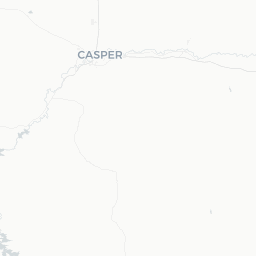
Evansville is a small incorporated town in Natrona County, Wyoming, situated immediately east of Casper along the North Platte River corridor. With a population of under 3,000, it functions in practice as a quiet residential community closely integrated with Casper's economy, services, and amenities. Travelers rarely visit Evansville as a standalone destination but frequently pass through or use it as an affordable base for exploring central Wyoming.
The surrounding region sits at roughly 5,100 feet elevation on Wyoming's high plains, defined by open sagebrush terrain, the North Platte River, and distant views of Casper Mountain to the south. The landscape is stark and wide-open in a way that characterizes much of interior Wyoming — appealing to visitors who enjoy solitude and undeveloped scenery.
Because Evansville shares a border with Casper, travelers have immediate access to that city's fuller range of restaurants, museums, hotels, and services. For practical purposes this guide treats Evansville and immediately adjacent Casper resources as a single travel zone.
Before You Go
Visas and Entry
Evansville is located in the continental United States. For visa and entry requirements, check TravelerPulse's Visas section and the U.S. Customs and Border Protection website (cbp.gov) for the most current information relevant to your nationality.
Climate
Central Wyoming experiences a semi-arid, high-plains climate with four distinct seasons. Summers (June–August) are warm and dry, with daytime highs typically in the 80s°F (upper 20s°C). Winters are cold and windy, with significant snowfall possible from October through April. Spring and fall are transitional and can bring rapid weather changes. Wind is a near-constant feature at any time of year — pack a layer regardless of season.
What to Pack
- Sun protection: sunscreen, sunglasses, and a hat are essential at high elevation
- Layers for variable temperatures, especially in shoulder seasons
- Sturdy footwear if planning any hiking or outdoor activity
- A reusable water bottle — the dry air accelerates dehydration
Getting There
By Air
The nearest commercial airport is Casper/Natrona County International Airport (CPR), located just minutes from Evansville. It offers connections to Denver and other regional hubs. Verify current routes and carriers directly with the airport or airline booking platforms, as service to smaller Wyoming airports can change seasonally.
By Road
Evansville sits along U.S. Route 20/26 and is easily accessible by car. Interstate 25 passes through Casper immediately to the west, connecting northward to Buffalo and Sheridan, and south toward Cheyenne and Denver. Driving from Denver takes approximately four hours under normal conditions; from Cheyenne roughly two hours. A personal vehicle or rental car is strongly recommended — it is essentially required for exploring the broader region.
By Bus
Limited intercity bus service connects Casper to other Wyoming communities. Verify current schedules and stops locally, as service frequency and providers change. There is no passenger rail service to this part of Wyoming.
Getting Around
Evansville itself is a compact community that can be traversed by car in minutes. There is no local public transit system within Evansville. Casper has a city bus network (Casper Area Transit, or CAT) serving its own community, but coverage does not meaningfully extend to regional outdoor sites — verify current routes on the city of Casper's official website.
A rental car is the most practical option for any traveler planning to explore beyond the immediate townsite. Rental agencies are available at Casper/Natrona County International Airport. Rideshare availability in this area is limited compared to larger cities — do not assume app-based rides will be readily available at all hours.
Where to Stay
Evansville itself has limited dedicated lodging infrastructure. Most travelers stay in Casper, where a range of national chain hotels and motels is available near the interstate, the airport, and downtown. Independent and locally owned lodging options also exist in Casper — check current availability and pricing through standard booking platforms.
For travelers seeking a different character of accommodation, guest ranches and rural cabins exist in the broader Natrona County region. Verify availability, pricing, and what is included before booking.
Camping is available at several public land sites on Casper Mountain and in surrounding national forest and BLM areas. The Bureau of Land Management (BLM) and U.S. Forest Service websites carry current information on designated sites, fees, and conditions.
Things to See & Do
Because Evansville is a small residential town, its own attractions are minimal. The real draw is the central Wyoming region it sits within, with Casper and the surrounding landscapes offering the following:
Casper Mountain
Rising to over 8,000 feet just south of town, Casper Mountain offers hiking, mountain biking, and cross-country skiing. Bridle Trail and other routes are accessible to various fitness levels. Conditions and access vary seasonally — verify locally before heading out.
North Platte River
The river corridor near Evansville and Casper provides fishing (particularly for trout and walleye), birdwatching, and riverside walking. Wyoming fishing licenses are required and available through the Wyoming Game and Fish Department.
Casper Area Museums
The nearby National Historic Trails Interpretive Center in Casper offers substantive exhibits on the Oregon, California, Mormon Pioneer, and Pony Express trails — the region was a major crossing point in 19th-century westward migration. The Tate Geological Museum at Casper College displays Wyoming fossils including a notable mammoth specimen.
Fort Caspar Historic Site
A reconstructed 1860s military post and museum in Casper near the North Platte crossing provides regional history context. Verify current hours and admission directly with the site.
Hunting and Outdoor Recreation
The high plains and public lands surrounding Casper are popular for pronghorn and deer hunting in season. Verify current regulations with Wyoming Game and Fish.
Food & Drink
Evansville has very limited independent dining options of its own. Travelers rely almost entirely on Casper's restaurant scene, which is a short drive away and offers a reasonable range for a Wyoming city of its size — expect American comfort food, steakhouses, Mexican restaurants, and a growing number of locally owned cafes and breweries.
Casper has a small but active craft brewing scene. Several taprooms operate in the downtown area; verify current operating hours locally as small breweries can change hours seasonally.
Grocery shopping for self-catering travelers is straightforward via Casper's supermarkets located a short drive from Evansville. If you are planning extended outdoor trips, stock up in Casper as amenities thin out considerably once you leave the Casper metro area.
Practical Information
Emergency Services
Dial 911 for all emergencies in the United States. Wyoming Medical Center, the regional hospital, is located in Casper and is the nearest major medical facility.
Connectivity
Cell coverage in Evansville and Casper is generally reliable for major U.S. carriers. Coverage degrades quickly once you travel into rural Wyoming — download offline maps before venturing out.
Money
ATMs and bank branches are available in Casper. Credit and debit cards are accepted at most businesses. Cash is useful for smaller vendors, markets, and some outdoor recreation fees.
Tipping
Standard U.S. tipping conventions apply: 15–20% at sit-down restaurants, a few dollars for bar service, and discretionary amounts for other service workers.
Time Zone
Mountain Time (MT). Wyoming observes Daylight Saving Time — clocks move forward in spring and back in fall. Verify exact transition dates annually.
Safety
Evansville is a quiet small town and serious crime is not a notable concern for visitors. Standard travel common sense applies: lock vehicles, do not leave valuables visible, and be aware of your surroundings.
The primary safety considerations in this region are environmental. Wyoming's high plains and mountain areas can present real hazards for underprepared visitors: sudden severe weather, extreme cold, high UV exposure at elevation, and vast distances between services. Always carry water, inform someone of your outdoor plans, and check weather forecasts before outdoor excursions. Cell service is unreliable outside populated areas.
Wildlife awareness is relevant if hiking or camping — pronghorn and deer are common and generally not dangerous, but exercise standard caution and never approach or feed wildlife. Rattlesnakes inhabit lower-elevation terrain in warm months; watch where you step in brushy or rocky areas.