Overview
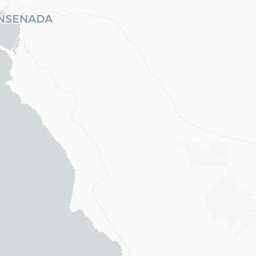
Colonia Francisco Santana Peralta is a small rural settlement in the far northeastern corner of Baja California, Mexico, situated near the Mexicali Valley and the broader Colorado River delta region. With a population of roughly 578 residents, it functions primarily as an agricultural community, set within the arid landscape characteristic of this part of Baja California.
The surrounding terrain is flat, dry, and shaped by decades of irrigation agriculture that transformed the Mexicali Valley into one of Mexico's more productive farming zones. Travelers passing through will find a working community rather than a tourist destination — this is a place to understand rural border-region life in northern Mexico, not a place with developed visitor infrastructure.
For most travelers, Colonia Francisco Santana Peralta is best understood as a reference point within a broader regional itinerary centered on Mexicali, the Colorado River delta, or cross-border travel between Baja California and the US state of California.
Before You Go
Visas and Entry
Entry requirements for Mexico vary by nationality. Check TravelerPulse's Visas section and consult Mexico's official immigration authority (Instituto Nacional de Migración) before travel. Do not rely on informal sources for visa rules.
What to Expect
This is a small rural colonia with limited to no formal tourist services — no hotels, no restaurants listed in major directories, and no visitor centers. Travelers should arrive self-sufficient: carry water, snacks, fuel, and any cash you may need. Mobile coverage can be inconsistent in rural parts of the Mexicali Valley — verify with your carrier.
Currency and Payments
The Mexican Peso is the standard currency. ATMs are not expected to be available in the colonia itself; withdraw cash in Mexicali before heading out. USD may be accepted in some border-adjacent businesses but cannot be counted on in small rural settlements.
Getting There
The nearest major city and practical base is Mexicali, the capital of Baja California, located to the northwest. Mexicali has an international airport (MXL) with domestic connections and some cross-border traffic, as well as road and rail links.
From Mexicali, the colonia is accessible by road through the Mexicali Valley agricultural zone. Specific route details and road conditions should be verified locally or through a current navigation application, as rural roads in this region can vary in quality and signage.
There is no known scheduled public transportation serving Colonia Francisco Santana Peralta directly. Travelers will need a private vehicle or arrange transport from Mexicali. If crossing from the United States, the Mexicali–Calexico border crossing is the logical entry point — verify current crossing wait times and hours through official US Customs and Border Protection or Mexican customs sources before travel.
Getting Around
Within the colonia and surrounding agricultural area, a private vehicle is effectively necessary. The flat terrain makes navigation straightforward, but roads may be unpaved or poorly marked outside of main routes.
For wider regional exploration — including the Mexicali Valley, the ejido communities nearby, or points along the Colorado River delta — a reliable, fuel-efficient vehicle with high clearance is an advantage. Carry extra water and a physical map or offline navigation as backup.
Things to See & Do
Colonia Francisco Santana Peralta does not have formal attractions or visitor sites. Its interest lies in the landscape and the broader regional context:
- Agricultural landscape: The Mexicali Valley's irrigation-fed farmland is visually striking in its contrast to the surrounding desert. Crops including wheat, cotton, and vegetables have historically defined this area.
- Colorado River delta region: The delta, one of North America's significant ecological zones (though significantly altered by upstream water use), is accessible in the broader area. Ecotourism and birdwatching opportunities exist within the delta — verify access points and any required permits locally or through environmental organizations working in the region.
- Regional road trips: The northeastern corner of Baja California connects travelers heading between Mexicali and the Sea of Cortez, or those exploring the border zone between California and Baja California.
This destination rewards travelers with an interest in rural Mexico, border-region geography, or agricultural landscapes rather than those seeking conventional tourism amenities.
Food & Drink
No restaurants or food establishments are documented for the colonia itself. Travelers should plan meals before arriving or carry their own provisions.
Mexicali, the nearest city, has a well-regarded local food scene, particularly known for Chinese-Mexican cuisine — a legacy of early Chinese immigration to the border region — as well as northern Mexican staples such as burritos, carne asada, and flour tortillas. Stock up and eat well in Mexicali before venturing into the rural valley.
Practical Information
Health and Water
Drinking tap water directly is not recommended in rural Mexican communities. Carry sufficient bottled or purified water, particularly given the heat of the Mexicali Valley in summer months, when temperatures regularly exceed 40°C (104°F).
Emergency Services
Emergency services in small rural colonias are limited. The nearest hospitals and emergency infrastructure are in Mexicali. Confirm local emergency contact numbers (Mexico's general emergency number is 911) and the location of the nearest clinic or hospital before traveling into remote areas.
Communications
Mobile signal may be weak or absent. Download offline maps before departure. Let someone know your itinerary if you are traveling to isolated parts of the valley.
Sun and Heat
The desert climate means intense sun year-round. Sunscreen, a hat, and ample hydration are essential. Summer travel (May–September) carries genuine heat risk — the shoulder and winter months are strongly preferable for comfort and safety.
Safety
Baja California's border region, including the Mexicali area, has elevated security advisories issued by some governments due to organized crime activity. Travelers should consult their home government's current travel advisory for Mexico and for Baja California specifically before visiting.
For rural areas, standard precautions apply: travel during daylight hours, stay on main roads where possible, and avoid displaying valuables. The colonia itself, as a small agricultural community, is not a known conflict zone, but the broader regional context warrants awareness and up-to-date information from official sources.