Overview
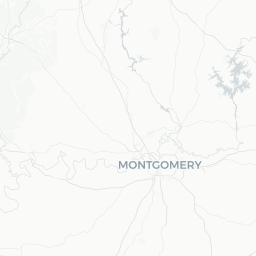
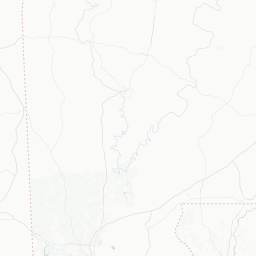
Coosada is a small, unincorporated community in Elmore County, Alabama, situated along the Coosa River roughly a dozen miles northeast of downtown Montgomery. With a population of around 1,200 people, it functions primarily as a quiet residential area rather than a conventional tourist destination.
The community sits in the broad floodplain where the Coosa River winds toward its confluence with the Alabama River system. This geography gives the area a distinctly rural, water-adjacent character that appeals to anglers, kayakers, and anyone seeking a slower pace within easy reach of a state capital.
Visitors typically come to Coosada as part of a wider Central Alabama itinerary anchored in Montgomery, using the area's proximity to the river and open countryside as a counterpoint to urban sightseeing. There are no major commercial attractions within the community itself, so realistic expectations are important before planning a visit.
Getting There
By Air
The nearest commercial airport is Montgomery Regional Airport (MGM), located approximately 15–20 miles southwest of Coosada. It receives flights from several major hub cities. Rental cars are available at the airport and are the most practical option for reaching Coosada.
By Car
Coosada is accessible via U.S. Highway 231 and local county roads off Alabama Highway 14. The road network is typical of rural Alabama — paved primary routes with some unpaved or narrow secondary roads leading into residential areas. A reliable GPS signal and an up-to-date mapping app are recommended, as signage can be sparse.
By Bus or Rail
There is no scheduled public transit, intercity bus, or passenger rail service directly serving Coosada. Greyhound routes serve Montgomery; from there, a private vehicle or rideshare is necessary to reach the community.
Getting Around
A personal vehicle is essentially required to move around Coosada and the surrounding area. Roads are lightly traveled and distances between points of interest are best covered by car.
Rideshare apps such as Uber and Lyft operate in the greater Montgomery metro area, and availability may extend to Coosada, but coverage in rural Elmore County can be inconsistent. Verify app availability before relying on it. Cycling is possible on quieter roads for those comfortable with rural, low-shoulder conditions, though it is not a common mode of transport here.
Where to Stay
There are no hotels or established lodging options within Coosada itself. Travelers should look to Wetumpka or Montgomery for accommodation. Montgomery has a standard selection of national chain hotels concentrated near the airport, downtown, and interstate corridors.
Short-term rental platforms may list occasional properties in rural Elmore County; search specifically for listings near Wetumpka or the Coosa River if you prefer a more rural setting. Verify all details — cancellation policies, exact location, and amenities — directly with the host before booking.
Things to See & Do
Coosa River Access
The primary natural draw is the Coosa River itself. Fishing is a longtime local pursuit, with species including largemouth bass, catfish, and bream depending on the season. Kayaking and canoeing are feasible on calmer stretches; verify local access points and current water conditions before launching.
Day Trips to Montgomery
The Alabama State Capitol, the National Memorial for Peace and Justice, the Legacy Museum, the Rosa Parks Museum, and Dexter Avenue King Memorial Baptist Church are all within a short drive in Montgomery. These sites make up one of the most significant civil rights heritage corridors in the United States and are well worth the short trip.
Elmore County Countryside
The rolling farmland and river bottomlands of Elmore County reward unhurried drives. Wildlife observation — including waterfowl along the river — is possible in quieter months. Check with the Alabama Department of Conservation and Natural Resources for any designated public access areas near Coosada.
Food & Drink
Coosada itself has very limited food and beverage options; do not expect restaurants or cafes within the community. Residents and visitors typically travel to nearby towns for dining.
Wetumpka, the Elmore County seat located roughly 8–10 miles northeast, has a small selection of local restaurants serving Southern comfort food, barbecue, and American diner fare. Montgomery, about 15–20 miles to the southwest, offers a far broader range — from traditional Alabama barbecue joints to more diverse dining options. Verify hours locally, as smaller establishments in this region can keep variable schedules.
Practical Information
Emergency Services
Dial 911 for all police, fire, and medical emergencies in Alabama. The nearest full-service hospital is in the Montgomery metro area; verify the closest facility to your specific location on arrival.
Connectivity
Cell coverage in rural Elmore County can be inconsistent depending on your carrier. Download offline maps before traveling into the area. Wi-Fi is not reliably available within Coosada itself.
Weather Preparedness
Central Alabama experiences hot, humid summers with afternoon thunderstorms common from June through August. Winters are mild but can include occasional ice events. Tornado risk is real in this region — the peak season is March through May and again in November. Monitor local weather alerts through the National Weather Service (weather.gov) and have a shelter plan if storms develop.
Visas
Coosada is in the United States. For entry requirements, visit TravelerPulse's Visas section and check the official U.S. Customs and Border Protection website for current, authoritative guidance.
Safety
Coosada is a quiet rural community and serious crime is not a defining characteristic of the area. Standard travel common sense applies: secure valuables in vehicles, be aware of your surroundings on unfamiliar rural roads after dark, and let someone know your itinerary if you plan to spend time on or near the river.
River safety deserves specific attention. The Coosa River has variable currents, and water levels can change with upstream dam operations. Always wear a personal flotation device when on the water, and check current conditions before entering the river.