Translate
Overview
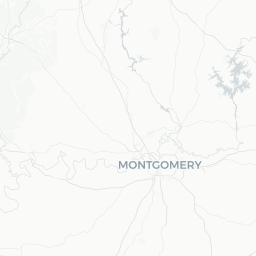
Holtville is a small town in Elmore County, Alabama, situated roughly 20 miles east of Montgomery along the US-80 corridor. With a population of around 4,000, it functions largely as a quiet residential community whose residents often commute to the state capital for work, shopping, and entertainment.
The town sits in central Alabama's rolling Piedmont landscape, characterized by pine forests, small farms, and the broad river systems that define this part of the Deep South. Visitors rarely come to Holtville as a destination in its own right, but it serves as a practical and affordable stopping point for those exploring Elmore County or making their way between Montgomery and the Lake Martin recreation area.
If you are looking for a relaxed, unhurried slice of small-town Alabama life — away from tourist crowds — Holtville and its surroundings offer exactly that. Expectations should be calibrated accordingly: dining and accommodation options are limited, and most attractions of note are in neighboring communities.
Getting There
By Air
The closest commercial airport is Montgomery Regional Airport (MGM), approximately 20–25 miles west of Holtville. It offers connections to major hub airports. Hartsfield-Jackson Atlanta International Airport (ATL), roughly 2.5 hours east by car, provides far broader flight options.
By Car
US Highway 80 passes through the Holtville area, making it straightforward to reach from Montgomery heading east. Interstate 85 is accessible a short distance away and connects the region to Atlanta and Auburn. A personal vehicle or rental car is essentially required — there is no meaningful public transit serving the town.
By Bus
Greyhound and other intercity bus services operate out of Montgomery; travelers would need a vehicle to cover the final miles to Holtville. Verify current routes and schedules directly with carriers.
Getting Around
A personal vehicle is the only practical way to get around Holtville and the surrounding area. There is no local public bus service or rideshare infrastructure to rely on within the town itself.
Road conditions on main routes are generally good. Secondary county roads can be narrow and rural, so extra caution is advised after heavy rain. Fuel stations are available locally, though options are limited — fill up when you can rather than assuming availability at every turn.
If you do not have a vehicle, rental car agencies operate out of Montgomery Regional Airport and downtown Montgomery, both within reasonable driving distance.
Where to Stay
There are no well-known hotels or lodging properties located directly in Holtville. Travelers should plan accommodation in nearby Millbrook (a few miles northwest), Wetumpka (northeast), or Montgomery, all of which have established hotel corridors with national chain properties.
For a more immersive experience, vacation rental platforms list cabins and lakeside properties around Lake Martin that can serve as a comfortable regional base. Verify listings and reviews independently before booking.
Camping is available in the Talladega National Forest and at several state parks within the broader region — check the Alabama State Parks website or the US Forest Service site for current availability and fees.
Things to See & Do
Holtville itself has limited formal attractions, but the surrounding Elmore County area offers several worthwhile pursuits.
- Lake Martin: A large reservoir about 30–40 miles northeast of Holtville, offering boating, fishing, swimming, and lakeside recreation. It is one of central Alabama's most popular outdoor destinations.
- Talladega National Forest: Portions of this large national forest are accessible within an hour's drive, offering hiking, camping, and wildlife observation.
- Montgomery day trips: The Alabama State Capitol, Rosa Parks Museum, Civil Rights Memorial Center, and the Alabama Department of Archives and History are all roughly 20–25 miles west in Montgomery.
- Bibb County Covered Bridge area: Historic covered bridges are a notable Alabama attraction; several are within reasonable driving range.
- Local fishing and hunting: Elmore County's rivers, ponds, and woodlands attract anglers and hunters — verify local regulations and licensing requirements before participating.
Food & Drink
Dining options within Holtville are very limited. Travelers will find a small number of convenience-store options and fast-food establishments nearby, but for sit-down restaurants with broader menus, the practical choice is to drive toward Montgomery or Millbrook.
Central Alabama's culinary identity leans toward Southern comfort food: barbecue, fried catfish, biscuits, and meat-and-three plate lunches. Montgomery has a growing restaurant scene with options beyond traditional Southern fare, including several locally praised barbecue spots and a modest downtown dining district.
Alcohol regulations in Alabama can vary at the county and city level. Elmore County has specific rules about alcohol sales — verify current local regulations if this is relevant to your plans.
Practical Information
Visas and Entry
Holtville is in the United States. For visa and entry requirements, check TravelerPulse's Visas section and consult the US Department of State or the official immigration authority of your home country.
Emergency Services
In any emergency in the United States, dial 911 for police, fire, or medical assistance.
Health
No vaccinations are specifically required for travel within the US. Standard travel health precautions apply. Tick awareness is advisable if you spend time in wooded or grassy areas in central Alabama.
Connectivity
Cell service is available from major US carriers, though coverage can be patchy on rural county roads. Wi-Fi is limited within Holtville; Montgomery has more reliable public and commercial options.
Climate
Central Alabama has a humid subtropical climate. Summers (June–August) are hot and humid, with temperatures regularly exceeding 90°F (32°C). Winters are mild but can see occasional freezing temperatures. Spring and fall are the most comfortable seasons for outdoor activity.
Safety
Holtville is a quiet residential community and does not present unusual safety concerns for travelers exercising normal caution. As with travel anywhere in rural areas, be aware of your surroundings, keep vehicles locked, and avoid displaying valuables.
Wildlife considerations in the broader area include the presence of venomous snakes (copperheads and timber rattlesnakes are native to Alabama) and fire ants, particularly in grassy or wooded areas. Check footwear and gear if you spend time outdoors.
Severe weather — including thunderstorms, tornadoes, and occasional flooding — is possible in central Alabama, particularly in spring. Monitor local weather alerts through the National Weather Service (weather.gov) or a reliable weather app during your visit.