Overview
Yountville sits in the heart of Napa Valley, roughly midway between the city of Napa to the south and St. Helena to the north. With a permanent population of just over 3,000, it punches far above its weight in culinary reputation — it is home to more Michelin-starred restaurants per capita than almost any other town in the United States.
The town occupies a flat stretch of valley floor flanked by the Mayacamas Mountains to the west and the Vaca Range to the east. Its compact, walkable main corridor along Washington Street is lined with tasting rooms, galleries, and restaurants rather than chain stores or tourist traps. The pace is quiet and deliberate, which is precisely the point.
Yountville grew from a 19th-century farming settlement — George Yount, a trapper and pioneer, was one of the first non-indigenous settlers to receive a Mexican land grant in the valley. That agricultural heritage has evolved into a globally recognized food and wine destination, but the town has managed to stay relatively understated compared with nearby St. Helena or Calistoga.
Before You Go
Visas
Yountville is in the United States. Visa requirements depend on your nationality, the purpose of your visit, and current US immigration policy. Check the TravelerPulse Visas section and the official US Customs and Border Protection website for current requirements before booking.
When to visit
- Spring (April–May): Vines leaf out, mustard flowers linger in some vineyards, crowds are moderate, and temperatures are comfortable (roughly 55–75°F / 13–24°C).
- Summer (June–August): Hot and dry, with valley temperatures frequently exceeding 90°F (32°C). Peak tourism season — book accommodations and restaurants well in advance.
- Harvest (September–October): Grapes are picked, the valley smells of fermenting fruit, and the energy in wineries is palpable. This is the most popular and most expensive period.
- Winter (November–February): Quieter, with lower prices and a chance of rain. Tasting rooms are open but some operate reduced hours — verify locally.
Booking ahead
Top-tier restaurants, particularly The French Laundry, release reservations weeks to months in advance. If dining there is a priority, plan your trip around reservation availability rather than the other way around. Most Napa wineries now require tasting appointments — book these before you arrive.
Getting There
By air
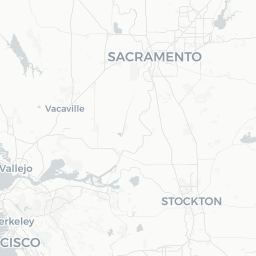
The most practical gateway is San Francisco International Airport (SFO), approximately 60–70 miles southwest. Oakland International Airport (OAK) is a comparable alternative. Sacramento International Airport (SMF) is roughly 75 miles northeast. None of these airports has direct public transit to Yountville, so most visitors rent a car or arrange a private transfer.
By car
From San Francisco, the most common route is north on US-101 across the Golden Gate Bridge, then east on CA-37 or CA-12 into Napa Valley, joining CA-29 north to Yountville. Alternatively, the I-80 east to CA-37 west route avoids city traffic. Drive times vary considerably with Bay Area congestion — allow 1.5 to 2.5 hours.
By bus
Vine Transit (Napa County's public bus system) operates routes connecting Napa, Yountville, and other valley towns. Service is limited and not well suited to vineyard hopping, but it is a legitimate option for getting between the main towns. Verify current schedules and routes at the Vine Transit website before travel.
Ride-share and shuttles
Ride-share services (Uber, Lyft) operate in the area but availability can be limited, especially late evenings. Several private wine country shuttle and tour operators offer day trips from San Francisco or transfers from airports — compare options and read reviews before booking.
Getting Around
Yountville's core is genuinely walkable. Washington Street and the immediately surrounding blocks contain the majority of restaurants, tasting rooms, shops, and hotels, and most visitors on foot can reach anything in town within 10–15 minutes.
Cycling is a popular and practical way to extend your range. Several outfitters in the valley rent bicycles, including e-bikes, which make the gentle grades of the valley floor accessible to most fitness levels. The Napa Valley Vine Trail, a paved multi-use path, runs through Yountville and connects toward Napa to the south.
Driving is necessary to reach most wineries outside of town. Napa Valley's CA-29 and the Silverado Trail (a parallel route to the east) are the two main arteries. If you plan to do significant wine tasting, designate a non-drinking driver or use a licensed tour operator — DUI enforcement in the valley is active.
Vine Transit buses connect Yountville to the city of Napa and to St. Helena, but frequency is limited. Verify current timetables locally or on the Vine Transit website.
Where to Stay
Yountville offers accommodation options that skew toward the luxury end of the spectrum, reflecting the town's positioning as a high-end wine country destination. Properties range from large resort-style hotels with full spas to intimate inns and vacation rental cottages.
Well-known properties in or immediately adjacent to town include the Bardessono (a LEED-certified luxury hotel), the Poetry Inn (a hillside boutique property on the Stags Leap side of the valley), and the Hotel Yountville. The Vintage House and Hotel Villagio share a campus with resort amenities. Prices at these properties vary considerably by season and should be verified directly with each hotel or on booking platforms.
Budget accommodation does not really exist in Yountville itself. Travelers seeking more affordable options typically stay in the city of Napa (about 9 miles south), which has a broader range of price points, and drive or bus into Yountville for dining and activities.
Things to See & Do
Wine tasting
While Yountville is not itself a major winery hub, it is centrally located for accessing appellations throughout Napa Valley. Nearby areas include Stags Leap District (east of town), Oak Knoll District (south), and Oakville (north). Most wineries require tasting appointments — book in advance.
Dining as an activity
At this destination, eating is itself a primary activity (see Food & Drink). Reserving time for a long lunch or multi-course dinner at one of the town's celebrated restaurants is something many visitors specifically plan trips around.
Napa Valley Museum Yountville
This small museum on the grounds of the Veterans Home of California explores the art, history, and culture of Napa Valley. Check current hours and admission fees on the museum's official website before visiting.
Cycling the Vine Trail
The Napa Valley Vine Trail passes through town and offers a flat, paved route suitable for casual cyclists. Rent bikes locally and verify the current extent of completed trail segments, as the full trail between Calistoga and Napa is still being developed in sections.
Veterans Home of California
Located within Yountville, this is one of the largest veterans' communities in the United States and occupies a historic campus. The grounds are accessible and worth a walk to understand the town's less-publicized civic dimension.
Art galleries and studios
Several art galleries operate along Washington Street and within hotel properties. The town takes its visual arts scene seriously alongside food and wine; walking the main street on any afternoon will surface current shows.
Food & Drink
Yountville's culinary reputation rests substantially on Thomas Keller's restaurants, particularly The French Laundry, which has held three Michelin stars for many years and is widely considered one of the most important fine dining establishments in the United States. Reservations open well in advance and are released on a specific schedule — check the restaurant's official reservation system directly. Keller's other Yountville restaurants include Bouchon Bistro, a French brasserie with a more accessible price point, Bouchon Bakery, and Ad Hoc, which serves family-style American food.
Beyond the Keller portfolio, the town supports additional serious restaurants. Bottega (Michael Chiarello's Italian-influenced dining room), Bistro Jeanty (a long-standing Provençal bistro), and Redd have each built reputations over many years. The quality of cooking across the town's small restaurant scene is consistently high relative to towns of comparable size anywhere in the country.
Tasting rooms within walking distance of Washington Street allow visitors to sample Napa Valley wines without driving. Several producers maintain Yountville hospitality spaces; a walk down the main street will surface current options as they change periodically.
For more casual eating, Bouchon Bakery serves pastries, sandwiches, and coffee from early morning and is a practical breakfast or lunch stop. Prices throughout Yountville reflect the destination's positioning — budget for higher-than-average costs at essentially every establishment.
Shopping
Shopping in Yountville is modest in scale but curated in character. The main concentration of shops runs along Washington Street and within the V Marketplace, a historic winery building converted into a small retail and dining complex.
Expect to find wine-focused retail (bottles, accessories, and books), kitchenware and culinary goods, clothing boutiques, home goods, and art galleries. This is not a destination for bargain hunting or big-brand retail. Most shops are independently operated and reflect the town's food-and-wine identity.
Local olive oils, specialty food products, and wine make practical and popular purchases. Several producers sell direct from Yountville retail locations, which can be a convenient alternative to winery visits for those short on time.
Practical Information
Money
Credit and debit cards are accepted universally. ATMs are available in town but not abundant — arriving with some cash for incidentals is sensible. Tipping follows standard US conventions: 18–20% at sit-down restaurants is the norm.
Connectivity
Mobile coverage in Yountville and along CA-29 is generally reliable on major US carriers. Some rural vineyard areas in the hills have limited or no signal — download offline maps before venturing off the main roads.
Emergency services
For any emergency in the United States, dial 911. The nearest hospital with emergency services is in the city of Napa. Verify the specific facility and its capabilities before you need them.
Accessibility
Yountville's flat terrain and paved main street make it relatively accessible for visitors with limited mobility. Several hotels advertise accessible rooms — confirm specifics directly with each property. The Vine Trail is paved and level through this section of the valley.
Alcohol and driving
California's legal blood alcohol limit for drivers is 0.08% (lower for commercial drivers and those under 21). Law enforcement in Napa Valley is active. If extensive tasting is planned, arrange a designated driver, use a licensed tour operator, or plan to spend the night rather than drive back to the Bay Area.
Safety
Yountville is a low-crime town by any measure. Standard travel precautions — securing valuables in vehicles out of sight, being aware of surroundings — apply here as anywhere, but visitors are unlikely to encounter significant safety issues.
The primary safety consideration in this region is wildfire. Napa County and the surrounding hills experience periodic wildfires, particularly in late summer and fall. Smoke can affect air quality significantly during fire events. Before and during travel in fire season, monitor the California Department of Forestry and Fire Protection (CAL FIRE) and local emergency alerts for current conditions. Most hotels will provide guidance if conditions deteriorate during your stay.
Heat is a practical concern in summer. Valley temperatures regularly exceed 90°F (32°C) in July and August. Stay hydrated, limit outdoor exertion during peak afternoon heat, and use sunscreen.