Overview
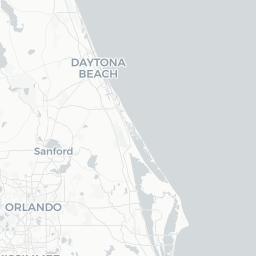
Flagler Beach is a small, unhurried coastal city in Flagler County on Florida's northeast Atlantic shore, roughly midway between Daytona Beach and St. Augustine. With a permanent population of under 5,000, it operates at a pace noticeably slower than most Florida beach towns, and locals tend to prefer it that way.
The city sits directly on State Road A1A, a scenic coastal highway that runs along a narrow barrier island. The ocean is visible — and often walkable — from almost everywhere in town. There are no major resort complexes or chain-dominated strips here; the commercial stretch is small, with independent restaurants, surf shops, and casual bars holding their ground.
Flagler Beach draws visitors who want a genuine Florida beach experience without the infrastructure of a larger resort destination. Anglers, surfers, shell-hunters, birdwatchers, and people who simply want to sit on a quiet beach are the town's primary audience. It is also a significant sea turtle nesting corridor, which adds a layer of ecological interest during warmer months.
Before You Go
Visas and Entry
Flagler Beach is a domestic US destination. International travelers entering the United States should check TravelerPulse's Visas section and consult the US Citizenship and Immigration Services (USCIS) or the US embassy in their home country for current entry requirements.
Climate
Flagler Beach has a humid subtropical climate. Summers (June–September) are hot and humid, with afternoon thunderstorms common and the possibility of tropical storm activity. Winters are mild, with daytime temperatures often in the 60s–70s°F (roughly 15–25°C), though cool fronts can drop overnight temperatures noticeably. The stretch from October through April is generally considered the most comfortable.
Hurricane Season
The official Atlantic hurricane season runs June 1 through November 30. Flagler County is vulnerable to tropical storms and hurricanes. If traveling during this period, monitor the National Hurricane Center (nhc.noaa.gov) and have a clear plan for evacuation routes if necessary. Check your accommodation's policies regarding weather-related cancellations before booking.
What to Pack
- Reef-safe sunscreen (the area has protected sea turtle habitat)
- Light, breathable clothing year-round; a light jacket for winter evenings
- Water shoes if you plan to fish or wade near the pier
- Insect repellent for evening beach walks in summer
Getting There
By Air
The nearest major airport is Daytona Beach International Airport (DAB), approximately 30 miles south. Orlando International Airport (MCO) is roughly 90 miles southwest and offers significantly more flight options. Jacksonville International Airport (JAX) is about 75 miles to the north. A rental car is strongly recommended from any of these airports, as there is no direct public transit link to Flagler Beach.
By Car
Flagler Beach is directly accessible via State Road A1A along the coast, or via I-95 (Exit 284 for Palm Coast/Flagler Beach area) and then east on SR-100. The drive from Orlando takes roughly 90 minutes under normal conditions; from Jacksonville, approximately 75 minutes. Street parking in the town center is available, and beach access points generally have parking areas — availability can be limited on busy weekends.
By Bus
Flagler County Transit operates local bus routes within the county. Greyhound and similar intercity coach services do not serve Flagler Beach directly; the nearest stops are in Daytona Beach or St. Augustine. Verify current schedules at the Flagler County Transit website or locally.
Getting Around
Flagler Beach is a small, walkable town for those staying near the center. The main commercial strip along A1A and the beach itself are easily navigated on foot or by bicycle. Several local shops rent bikes and beach cruisers — verify availability and current rates locally.
A personal vehicle is the most practical way to explore beyond the immediate town center, reach beach access points further north or south, or visit nearby communities like Palm Coast or Marineland. Rideshare services (Uber, Lyft) operate in the area but availability can be limited, particularly late at night, so check the apps before relying on them for time-sensitive travel.
Where to Stay
Accommodation options in Flagler Beach are limited in number and lean toward smaller-scale properties: independently owned motels, vacation rental homes and condos, and a handful of bed-and-breakfast style options. There are no large resort hotels within the city itself.
Vacation rental platforms (Airbnb, Vrbo, etc.) often have a reasonable selection of private homes and condos, some with direct beach or Intracoastal access. Booking in advance is advisable for summer weekends and holiday periods.
Gamble Rogers Memorial State Recreation Area offers campsite reservations for those interested in camping close to the beach. Reserve through the Florida State Parks reservation system well in advance for popular dates.
Palm Coast, a few miles to the north and west, has a wider range of chain hotel options if budget or availability is a constraint.
Things to See & Do
Flagler Beach Pier
The Flagler Beach Fishing Pier is the town's most recognizable landmark. It extends into the Atlantic and is popular with anglers and visitors alike. A small fee is typically charged for fishing; walking access may differ — verify current rates and hours at the pier or with Flagler County Parks.
Beaches and Swimming
Flagler Beach's shoreline is relatively uncrowded compared to neighboring counties. The beach is wide in places, with dark, coquina-tinged sand typical of this part of Florida's coast. Swimming is generally safe, though surf conditions vary; observe posted flags and lifeguard advisories where applicable.
Sea Turtle Nesting
From roughly May through October, loggerhead, leatherback, and green sea turtles nest along the Flagler Beach shoreline. Organized turtle walks run during nesting season through the Flagler County Sea Turtle Monitoring Program — contact them or check locally for current schedules and registration requirements. Visitors should avoid flashlights and artificial lights on the beach at night during nesting season.
Surfing
Flagler Beach has a modest but consistent surf scene. The pier area is a known surf break. Local surf shops can advise on current conditions and equipment rental.
Gamble Rogers Memorial State Recreation Area
Located just south of the city limits, this state park offers camping, swimming, hiking, fishing, and kayaking along both the Atlantic and the Intracoastal Waterway. Entrance fees apply; hours and fees should be verified at the Florida State Parks website (floridastateparks.org).
Scenic Drives
The stretch of A1A through and around Flagler Beach is designated a Florida Scenic Highway and is genuinely worth driving slowly. The road hugs the shoreline for miles in both directions, with ocean views and access to undeveloped coastal areas.
Food & Drink
Flagler Beach's dining scene is small and almost entirely independent — there are few chain restaurants in town. The focus is on casual coastal fare: seafood, burgers, sandwiches, and bar food. Several spots have outdoor decks or direct ocean views, which are the main draw beyond the food itself.
Fresh local seafood is available at several establishments, though as with any small beach town, quality and hours can vary by season. Some restaurants reduce hours or close entirely in the quieter winter months, so it is worth calling ahead if you have a specific place in mind.
For a broader dining selection, Palm Coast (a few miles inland) offers significantly more variety, including grocery stores and larger supermarkets if you are self-catering.
A small number of bars and casual lounges serve the evening crowd, generally with a relaxed, neighborhood-bar atmosphere. Flagler Beach is not a nightlife destination in the conventional sense.
Practical Information
Emergency Services
Dial 911 for police, fire, or medical emergencies anywhere in the United States.
Medical Care
Flagler Beach does not have a hospital within the city. AdventHealth Palm Coast and other medical facilities are located in Palm Coast, a short drive away. For non-emergency care, urgent care clinics in Palm Coast are the most accessible option — verify locations and hours locally before your trip.
Connectivity
Cell service from major US carriers is generally reliable in town. Free Wi-Fi is available at some cafés and accommodations; verify with your specific property.
Money
ATMs are available in town. Most businesses accept major credit and debit cards. Some smaller vendors at the beach or market events may be cash-preferred — it is useful to carry some cash.
Tipping
Standard US tipping norms apply: 18–20% at sit-down restaurants, a few dollars for bartenders per round, and similar gratuities for service workers.
Safety
Flagler Beach is a small, low-crime community by most measures, and visitors generally report feeling safe. The usual precautions for any travel apply: do not leave valuables visible in parked cars, and be aware of your surroundings in unfamiliar areas at night.
Ocean Safety
Rip currents are the primary ocean hazard. The beach can see strong surf, particularly after storms or tropical weather. Always check posted beach flags, swim near lifeguarded areas where available, and if caught in a rip current, swim parallel to shore rather than against the current. The National Weather Service (weather.gov) provides local marine forecasts.
Sun and Heat
Florida's UV index is high year-round, and summer heat and humidity can be intense. Sunscreen, hydration, and limiting midday sun exposure are practical precautions rather than optional ones.
Wildlife
Alligators are present in freshwater areas, canals, and retention ponds throughout Florida — this includes areas near the Intracoastal Waterway. Do not approach, feed, or swim in freshwater areas where alligators may be present. Jellyfish occasionally wash ashore; check beach conditions locally.